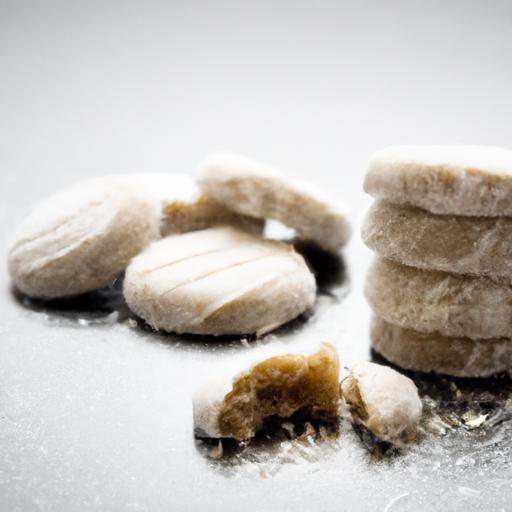


Beneath their powdery white coating and crumbly texture, polvorones carry more than just sugar and almonds-they carry centuries of Spanish tradition and stories wrapped in every bite. These humble yet heavenly sweets, often mistaken for mere holiday treats, have a rich history that stretches far beyond the kitchen. “Polvorones Unwrapped: sweet History of Spanish Delights” invites you to embark on a flavorful journey through time, uncovering the origins, cultural importance, and evolving recipes of one of Spain’s most beloved confections. Prepare to see polvorones not just as melts-in-your-mouth morsels, but as edible history-each crumb a whisper of Spanish heritage and culinary artistry.
Polvorones are more than just a sweet treat; they carry with them a rich tapestry of Spanish culture and centuries-old tradition. Originating from Andalusia, these crumbly confections have earned beloved status across Spain and beyond, celebrated especially during festive seasons like Christmas. Their delicate, melt-in-the-mouth texture and subtle nutty flavors make them an irresistible indulgence that tells the story of Spanish culinary heritage like few sweets can.
Prep and Cook Time
- readiness: 15 minutes
- Cooking: 10 minutes
- Cooling & Setting: 30 minutes
Yield
Approximately 24 polvorones (depending on size)
Difficulty Level
Easy to Medium
Ingredients
- 2 cups all-purpose flour, sifted
- 1 cup unsalted butter, softened
- 3/4 cup powdered sugar, plus extra for dusting
- 1 cup ground almonds (Marcona almonds preferred)
- 1 tsp ground cinnamon
- 1/4 tsp salt
- 1 tbsp lard or vegetable shortening (optional, for authentic texture)
- 1 tsp vanilla extract (optional)
Instructions
- Toast the flour and almonds: In a dry skillet over medium-low heat, gently toast the sifted flour and the ground almonds together, stirring frequently for about 7-8 minutes until golden and fragrant. This crucial step deepens the nutty flavor and ensures the polvorones won’t taste raw. Remove from heat and allow to cool wholly.
- Cream the butter and sugar: In a large bowl, beat the softened butter with powdered sugar using a mixer on medium speed until the mixture is pale and fluffy, about 3 minutes. This aeration helps create a light base for the crumbly texture.
- Add flavorings and fat: Mix in the lard (if using), vanilla extract, cinnamon, and salt until evenly combined.
- incorporate dry ingredients: Gradually fold in the cooled flour-almond mixture with a spatula or wooden spoon until a soft dough forms. Avoid overmixing to prevent toughening.
- Shape the dough: Divide the dough into small balls (about 1.5 inches in diameter). Gently flatten each ball into a disc about 1/2 inch thick. Place disks on a parchment-lined baking sheet, spaced slightly apart.
- Bake: Preheat your oven to 325°F (160°C). Bake the polvorones for 10-12 minutes or until firm but not browned-these sweets rely on their pale, delicate crumb.
- Cool and dust: Let the cookies cool on the baking sheet for 5 minutes, then transfer to a wire rack to cool completely. Once cooled, generously dust with extra powdered sugar for the classic snowy finish.
Chef’s Notes: Tips for success
- Perfecting the crumble: The hallmark of polvorones is their short, crumbly texture. Using room temperature butter and minimal kneading ensures tenderness without toughness.
- Alternative nuts: While conventional recipes use almonds, experimenting with finely ground hazelnuts or walnuts adds unique regional twists.
- Flavor variations: For a subtle aroma boost, try adding a pinch of ground cloves or infuse the butter with citrus zest before creaming.
- Storage: Store polvorones in an airtight container at room temperature for up to two weeks.They can also be frozen for longer storage-place parchment between layers to prevent sticking.
- Make-ahead: Dough can be refrigerated overnight to deepen flavors. Allow it to come to room temperature before shaping.
Serving Suggestions
Serve polvorones alongside a steaming cup of Spanish hot chocolate or a robust cup of coffee. Their powdery sweetness perfectly balances rich, warm beverages. garnish the serving platter with whole almonds or lightly toasted almond slivers for visual appeal. For festive occasions, stacking the polvorones into a pyramid dusted further with cinnamon sugar elevates their presentation, making these humble sweets a centerpiece worth sharing.
| Nutrient | Per Serving (1 Polvorón) |
|---|---|
| Calories | 150 kcal |
| Protein | 2 g |
| Carbohydrates | 12 g |
| Fat | 10 g |

Exploring Polvorones Unwrapped also leads us to discover captivating differences beyond Andalusia. In Castilla-La Mancha, the polvorones frequently enough feature a coarser grind of almonds, offering a heartier mouthfeel. Meanwhile, in regions like Extremadura, incorporating pork lard alongside butter imparts a deeper richness that melts on the tongue. Modern variations even invite hints of chocolate, citrus, or rosewater, showcasing how this classic keeps evolving without losing its essence.
For those hungry for deeper culinary insight,consult the Spanish Sweets History archive, a trusted external resource unraveling traditional Spanish desserts and their roots.
Q&A
Q&A: Polvorones Unwrapped – The Sweet history of Spanish Delights
Q1: What exactly are polvorones?
A1: Polvorones are traditional Spanish shortbread cookies, famous for their crumbly texture that literally melts in your mouth. Their name comes from the Spanish word polvo, meaning “powder” or “dust,” wich perfectly describes the cookie’s delicate, powdery finish. Typically made from flour, sugar, and almonds or other nuts, these treats are a festive staple especially during Christmas.
Q2: Where did polvorones originate?
A2: Polvorones have deep roots in Andalusia, the sun-kissed southern region of Spain.Although their exact origin story is a bit hazy, it’s believed they emerged during the Moorish occupation of Spain, blending influences from Arabic pastries with European baking traditions. Over centuries,they blossomed into an iconic Spanish delicacy.
Q3: Why are polvorones so popular during Christmas?
A3: Polvorones are synonymous with Spanish holiday celebrations. their crumbly texture and rich, buttery flavor make them a comforting treat during cold winter nights. Traditionally, families would bake polvorones together, turning the kitchen into a warm haven of shared memories. Today, they symbolize festive cheer and togetherness, appearing in almost every Spanish Christmas market and dessert table.
Q4: How do polvorones differ from other shortbreads?
A4: While many shortbreads share a buttery base,polvorones stand out because of their unique,almost sandy consistency and the use of ground nuts,especially almonds or sometimes marzipan. This nutty undertone adds depth, while the intense crumbliness makes them a joyful challenge to eat without turning into powdered dust on your fingertips.
Q5: Are there regional variations of polvorones?
A5: Absolutely! While the classic Andalusian almond polvorón reigns supreme, other regions have added their own twists. Some versions incorporate cinnamon, aniseed, or even lemon zest. In the Philippines, a legacy of spanish colonization, polvorones are softer and often infused with milk powder, expanding the cookie’s global footprint.
Q6: Can you describe the traditional way polvorones are made?
A6: Making polvorones is an act of love and precision. Flour is toasted to a golden hue to deepen its flavor, then mixed with rendered pork lard or butter, sugar, and finely ground nuts. The dough is shaped into thick discs, baked until just set, and then rolled in powdered sugar while still warm, giving them that iconic snowy coating.
Q7: What’s the best way to enjoy polvorones?
A7: Polvorones are best savored slowly, allowing their crumbly texture to dissolve sweetly on the tongue. Pair them with a cup of strong Spanish coffee,rich hot chocolate,or a glass of sherry. Be warned: because they turn to powder as you eat, a napkin or crumb catcher is a trusted companion!
Q8: How have modern chefs reinvented polvorones?
A8: Contemporary bakers have taken these traditional treats to new heights. From infusing them with exotic spices like cardamom to drizzling them with dark chocolate or adding unexpected fillings like dulce de leche, the polvorón is evolving while honoring its heritage. Vegan and gluten-free versions have also entered the scene, making this classic cookie accessible to all.
Q9: Why do polvorones symbolize more than just dessert in spanish culture?
A9: Beyond being a cookie, polvorones embody the spirit of Spanish hospitality, family unity, and the joy of shared tradition. Each crumbly bite tells a story of history, migration, and celebration. For many, they’re a flavorful thread connecting generations – a sweet reminder that some delights never crumble under the weight of time.Q10: Where can someone outside Spain try authentic polvorones?
A10: Look for Spanish bakeries or specialty stores during the holiday season, as many import authentic polvorones from Andalusia. Alternatively, join in festive baking workshops or explore online gourmet shops dedicated to traditional Spanish pastries. Or better yet, roll up your sleeves and bake a batch at home - it’s a delicious way to unwrap history yourself!
Concluding Remarks
As the final crumbs of polvorones melt away, what remains is more than just a sweet indulgence – it’s a bite-sized journey through Spain’s rich cultural tapestry. these humble confections carry centuries of tradition, from rustic village ovens to festive holiday tables, embodying a story of resilience, celebration, and craftsmanship. Unwrapped layer by layer,polvorones reveal not only their buttery texture and delicate flavors but also the enduring spirit of Spanish heritage. so next time you savor one, remember: your not just tasting a cookie, you’re experiencing a delicious chapter of history that continues to delight palates around the world.