
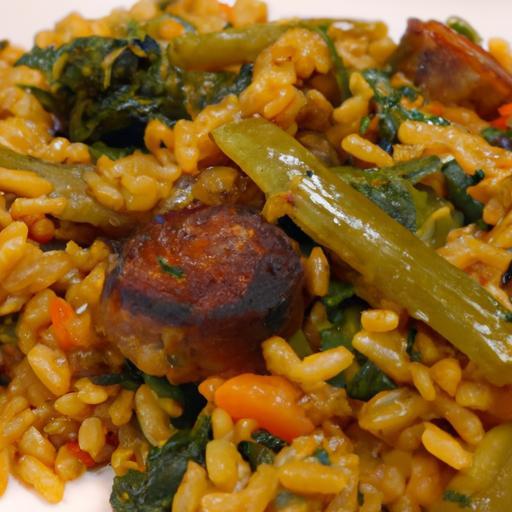
Bursting with color, aroma, and a symphony of textures, paella is a beloved dish that tells a story of tradition and festivity. But what if you could experience this iconic Spanish treasure in a way that’s both vibrant and entirely plant-based? Welcome to “Savor the Flavor: A Guide to Vibrant vegan Paella Recipes,” where classic saffron-infused rice meets a rainbow of fresh vegetables, legumes, and bold spices. Whether you’re a seasoned vegan or simply curious about elevating your culinary repertoire, this guide will transport you to sun-soaked coasts and bustling marketplaces-one hearty, flavorful bite at a time. Prepare to awaken your senses and discover how vegan paella can be just as rich, satisfying, and unforgettable as its original counterpart.
Savor the Flavor: A Guide to Vibrant Vegan Paella Recipes
Savor the flavor of this vibrant vegan paella,a dish that harmoniously blends centuries of Spanish culinary tradition with the radiant,wholesome bounty of plant-based ingredients. Originating from the Valencian region of Spain, paella has long been cherished as a communal meal, bringing families and friends together around a steaming pan of saffron-infused rice and fresh produce. This vegan adaptation honors those cultural roots while celebrating the versatility and richness of vegetables, legumes, and fragrant spices.Whether you’re a seasoned chef or simply eager to explore new flavors, this recipe invites you into a colorful, joyful experience in your kitchen.
Prep and Cook Time
- Preparation: 20 minutes
- Cooking: 40 minutes
- Total Time: 1 hour
Yield
Serves 4 generously
Difficulty Level
Medium – perfect for home cooks looking to elevate their meals with vibrant flavors and technique
Ingredients
- 1 ½ cups bomba or short-grain rice
- 4 cups vegetable broth,preferably homemade or low sodium
- 2 tbsp extra virgin olive oil
- 1 medium yellow onion,finely chopped
- 4 cloves garlic,minced
- 1 large red bell pepper,thinly sliced
- 1 large green bell pepper,thinly sliced
- 1 cup diced ripe tomatoes (fresh or canned)
- 1 cup artichoke hearts,quartered (fresh or marinated)
- 1 cup green beans,trimmed and halved
- 1 cup cooked chickpeas,drained and rinsed
- 1 tsp smoked paprika (pimentón)
- ¼ tsp saffron threads,soaked in 2 tbsp warm water
- 1 tsp dried thyme
- ½ tsp ground turmeric (for color enhancement)
- Salt and freshly ground black pepper,to taste
- Juice of 1 lemon
- Fresh parsley for garnish,chopped
Instructions
- Heat the olive oil in a wide,heavy-bottomed paella pan or large skillet over medium heat. Add the chopped onion and sauté until translucent, about 5 minutes.
- Stir in the garlic and cook for another 1-2 minutes until fragrant, being careful not to burn it.
- Add the sliced red and green bell peppers and green beans, cooking until slightly tender but still vibrant, about 5-7 minutes.
- Mix in the diced tomatoes, artichoke hearts, and chickpeas. Cook, stirring occasionally, until the tomatoes release their juices, about 3 minutes.
- Add the smoked paprika, thyme, turmeric, and soaked saffron with its liquid. Stir well to coat all vegetables with the spices.
- Pour in the rice and vegetable broth, spreading the rice evenly across the pan. Avoid stirring after this point to allow a crispy socarrat to form on the bottom.
- Season with salt and pepper, then reduce the heat to medium-low and simmer uncovered for 25-30 minutes, until the rice is tender and the liquid has absorbed.
- if the rice appears dry before fully cooked, add a splash more broth or water and continue cooking.
- Once done, remove the pan from heat and cover loosely with a clean kitchen towel.let the paella rest for 5-10 minutes to meld the flavors.
- Drizzle fresh lemon juice over the paella, garnish with chopped parsley, and serve straight from the pan for an authentic experience.
Tips for Success
- To elevate the depth of flavor, use homemade vegetable broth infused with roasted vegetables and herbs.
- When selecting bell peppers and tomatoes, opt for the ripest, freshest produce available to intensify natural sweetness and color.
- To substitute if saffron is unavailable, use a mixture of turmeric and smoked paprika for color and subtle earthiness, though the unmistakable aroma of saffron is irreplaceable.
- Resist stirring the rice after adding liquid to allow the coveted crispy bottom layer known as the socarrat to develop.
- make-ahead tip: Prepare components like broth and sautéed vegetables a day in advance to streamline the cooking process.
Serving suggestions
Serve your vegan paella warm, accompanied by crisp green salads or crusty artisan bread. A squeeze of additional lemon brightens the palate, while a glass of chilled Spanish rosé or sparkling water with fresh mint complements the bold, layered flavors.Garnish with fresh parsley or even roasted pine nuts for a delightful textural contrast. for a festive touch, try topping with roasted piquillo peppers or a sprinkle of toasted smoked almonds.

Nutritional Data (per serving)
| Nutrition | Amount |
|---|---|
| Calories | 380 |
| Protein | 12g |
| Carbohydrates | 58g |
| Fat | 8g |
Discover even more exciting plant-based dishes in our Plant-Based Dinners Collection and deepen your understanding of paella’s cultural significance through Encyclopedia Britannica’s detailed history on paella.
Q&A
Q&A: Savor the Flavor – A Guide to Vibrant Vegan Paella Recipes
Q1: What makes vegan paella different from customary paella?
A: Traditional paella frequently enough features seafood, chicken, or rabbit, nestled among fragrant saffron-infused rice.Vegan paella reimagines this classic by swapping animal proteins for a colorful medley of vegetables, legumes, and plant-based ingredients. The essence of paella – its vibrant colors, rich textures, and layered flavors – remains, proving that plant power can dazzle just as brilliantly as any meat or seafood.
Q2: What are the key ingredients that create the authentic flavor in vegan paella?
A: The heart of any great paella is its holy triumvirate: saffron,smoked paprika,and garlic. Saffron imparts its golden hue and subtle earthiness, while smoked paprika adds a gentle smoky depth, and garlic provides aromatic warmth. Complement these with hearty vegetables like bell peppers, artichokes, green beans, peas, and earthy mushrooms, and you capture the vibrant soul of Spanish tradition – all without animal products.
Q3: Can I use any type of rice, or is there a preferred variety for vegan paella?
A: For authenticity and texture, short-grain rice such as Bomba or Calasparra rice is ideal; these varieties absorb liquids beautifully without turning mushy, delivering that signature slightly firm bite. If these aren’t available, arborio rice (common in risotto) can work as a substitute. The key is to choose a rice that absorbs flavor yet maintains its structure.
Q4: How do I ensure my vegan paella has that coveted socarrat, the crispy caramelized bottom?
A: The socarrat is the crown jewel of paella, and it’s well within your reach! Cook your paella over medium-high heat without stirring during the last phase of cooking. The trick is patience: let the rice settle and toast gently against the pan’s base. Listen for a gentle crackling sound and look for a golden-brown crust forming. This crispy layer bursts with smoky,toasted flavor that elevates the entire dish.
Q5: Are there creative twists I can try when making vegan paella?
A: Absolutely! Vegan paella is endlessly adaptable. Try incorporating roasted chickpeas or smoky tempeh cubes for protein-packed bites. Experiment with seasonal vegetables like roasted pumpkin in autumn or tender snap peas in spring. Even a dash of coconut milk can add luscious creaminess, taking your paella on a tropical detour.Remember, the spirit of paella is vibrant creativity paired with bold, harmonious flavors.
Q6: What sides or accompaniments work best with vegan paella?
A: Vegan paella is hearty and colorful enough to stand on its own, but pairing it with a crisp, zesty salad of fresh greens, citrus segments, and toasted almonds heightens the freshness. A side of smoky romesco sauce or aioli made with vegan mayonnaise and garlic can add a decadent kick. For beverages, a chilled glass of Spanish white wine or sparkling water with lemon beautifully complements the dish’s rich, earthy profile.Q7: Can vegan paella be made ahead and reheated?
A: While paella is best enjoyed fresh for that perfect socarrat and texture, it can be made ahead. Store leftovers in an airtight container and refrigerate for up to two days.When reheating, add a splash of vegetable broth and warm gently in a pan to revive moisture without overcooking.Avoid the microwave if possible to preserve the dish’s integrity.
Dive into the world of vibrant vegan paella, where tradition meets innovation and every bite bursts with sunshine and spice. Ready your pan, gather your rainbow of veggies, and savor the flavor of this plant-based fiesta!
The Conclusion
As you embark on your vibrant vegan paella journey, remember that this dish is more than just a meal-it’s a celebration of colors, textures, and bold flavors that pay homage to tradition while embracing plant-based creativity. Whether you stick to classic ingredients or experiment with seasonal veggies and spices, each pan promises a feast for both the eyes and the palate. So gather your ingredients,ignite your passion for cooking,and savor not only the flavors but the joy of crafting a vibrant vegan paella that everyone can enjoy. Your next culinary masterpiece awaits-ready to bring warmth, nourishment, and a splash of Mediterranean sunshine to your table.