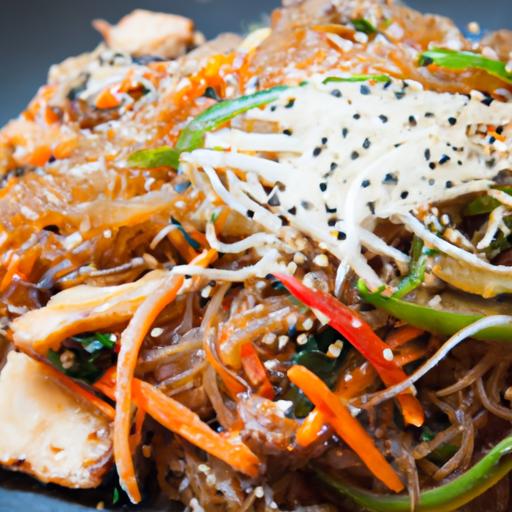

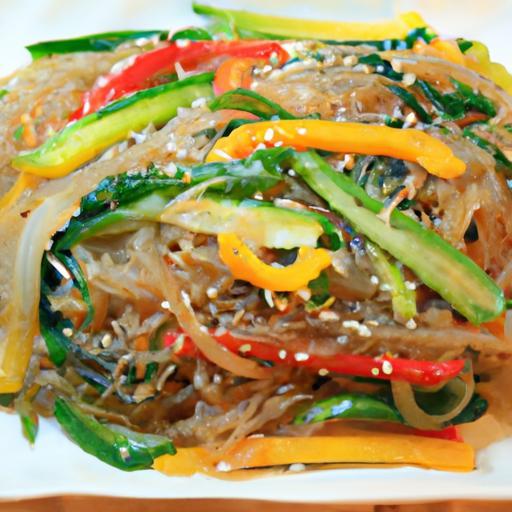
There’s a magic in the way flavors dance together in Korean cuisine, and few dishes capture this harmony as beautifully as Japchae. imagine delicate glass noodles,shimmering like strands of silk,tossed in a vibrant medley of colorful vegetables,tender slices of beef,and a subtle,savory-sweet sauce that lingers on the palate. Japchae is more than just a stir fry-it’s a celebration of texture and taste, a dish that effortlessly balances health and indulgence.
Whether served as a festive centerpiece or a comforting weeknight meal, this ultimate glass noodle stir fry invites you to embark on a culinary journey straight to the heart of Korea’s rich gastronomic heritage. Let’s dive into the secrets behind crafting this delicious and iconic dish that never fails to impress.
Delicious Korean Japchae is a vibrant symphony of textures and flavors,where glass noodles soak up an intoxicating blend of sweet,savory,and nutty seasonings. Originating from Korean royal court cuisine, this iconic stir-fry has evolved into a beloved dish celebrated worldwide. My first encounter with japchae was at a bustling Seoul market, where the irresistible aroma of sesame oil and garlic danced through the air, making it impossible to resist. Whether served at celebrations or as a comforting weeknight meal, this dish is a showcase of harmony between fresh ingredients and meticulous technique.
Prep and Cook Time
- Preparation: 20 minutes
- Cooking: 15 minutes
- Total Time: 35 minutes
yield
Serves 4 as a main course or 6 as a side dish
Difficulty Level
Medium – requires some multitasking but perfect for home cooks aiming to master Korean flavors
Ingredients for Delicious Korean Japchae
- 200g sweet potato glass noodles (dangmyeon)
- 150g beef sirloin, thinly sliced
- 2 medium carrots, julienned
- 1 medium yellow onion, thinly sliced
- 1 red bell pepper, thinly sliced
- 100g fresh spinach
- 4 shiitake mushrooms, stems removed and thinly sliced
- 3 cloves garlic, minced
- 3 tablespoons soy sauce
- 1 tablespoon sugar
- 2 tablespoons toasted sesame oil
- 2 tablespoons vegetable oil
- 1 tablespoon toasted sesame seeds
- Salt and freshly ground black pepper to taste
Instructions
- Prepare the glass noodles: Bring a large pot of water to a boil. Add the sweet potato glass noodles and cook for about 6-7 minutes until tender but slightly chewy. Drain and rinse under cold water to stop cooking. Cut noodles with scissors into shorter strands (about 6 inches) for easy eating. drizzle 1 tablespoon of sesame oil and toss gently to prevent sticking.
- Cook the vegetables: Heat 1 tablespoon vegetable oil in a large skillet or wok over medium-high heat. Sauté the carrots, onion, bell pepper, and shiitake mushrooms separately, seasoning lightly with salt until just tender, about 3 minutes per vegetable. Remove each from the pan and set aside to keep their bright colors and distinct textures.
- Sauté the beef and garlic: In the same pan,add the remaining vegetable oil and minced garlic. Sauté until fragrant, about 30 seconds. Add the sliced beef and stir-fry until browned and cooked through, approximately 3-4 minutes. Season lightly with black pepper.
- Wilt the spinach: In a separate small pan, quickly blanch the spinach leaves in boiling water for 30 seconds. Drain, squeeze out excess water, and set aside.
- Combine and season: Return all the cooked veggies and beef to the pan with the noodles. Add soy sauce, sugar, and the remaining 1 tablespoon sesame oil. Toss everything together over medium heat for 2-3 minutes until the noodles soak up the flavors evenly. Adjust seasoning with salt or more soy sauce if needed.
- Finish and garnish: Transfer japchae to a serving dish. Sprinkle liberally with toasted sesame seeds and, if desired, finely sliced scallions or red chili flakes for a subtle kick.
Tips for Success
- Use dangmyeon (sweet potato starch noodles) specifically for authentic texture-avoid substituting with rice vermicelli or glass noodles made from mung bean, which behave differently.
- Don’t skip rinsing noodles in cold water after boiling; this step stops cooking and prevents mushiness.
- Cut all ingredients uniformly-this promotes even cooking and creates a stunning visual contrast on the plate.
- for a vegetarian variation, omit the beef and substitute with extra mushrooms or pan-fried firm tofu.
- Prepare vegetables ahead of time and keep warm to streamline the final tossing step.
Serving Suggestions
Delicious Korean Japchae shines as a colorful centerpiece on any table. Serve it warm or at room temperature alongside Korean Bulgogi for a full feast experience. Garnish with extra toasted sesame seeds, thin strips of roasted seaweed (gim), or a handful of fresh cilantro to add freshness. It also pairs wonderfully with steamed jasmine rice or a light kimchi side salad for balancing flavors.

| Nutrient | Per Serving (approx.) |
|---|---|
| Calories | 320 kcal |
| protein | 18 g |
| Carbohydrates | 45 g |
| Fat | 7 g |
Q&A
Q&A: Delicious Korean Japchae – The Ultimate Glass Noodle Stir Fry
Q1: What exactly is Japchae?
A1: Japchae is a vibrant Korean dish featuring sweet potato glass noodles stir-fried with a colorful array of vegetables,tender slices of meat,and a savory-sweet sauce. It’s beloved for its chewy texture and harmonious blend of flavors, making it a festive favorite and everyday comfort food alike.
Q2: What makes glass noodles special in japchae?
A2: Glass noodles, or dangmyeon, are made from sweet potato starch, giving them a unique translucent appearance and a delightful chewy bite. Unlike regular wheat noodles, they effortlessly soak up the savory Japchae sauce without becoming mushy, creating that signature silky, glossy finish.
Q3: Is Japchae vegan or vegetarian-friendly?
A3: Traditionally, Japchae includes beef or other meats, but it’s incredibly versatile! By swapping meat with mushrooms, tofu, or extra veggies, you can create a vibrant vegan or vegetarian Japchae that’s just as flavorful and satisfying.
Q4: What vegetables are commonly used in Japchae?
A4: The vegetable medley frequently enough includes spinach, carrots, bell peppers, onions, and shiitake mushrooms. Each one adds a distinct color, crunch, and flavor – making the dish a feast for both the eyes and the palate.
Q5: How do you achieve the perfect flavor balance in Japchae?
A5: The magic lies in the sauce-a delicate dance of soy sauce, sesame oil, garlic, and a touch of sugar or honey. This combination brings together salty, nutty, sweet, and aromatic notes that marry all ingredients into one irresistible harmony.
Q6: Can Japchae be served cold, or is it only a hot dish?
A6: While Japchae is typically enjoyed warm, it’s also fantastic chilled or at room temperature. This makes it a popular choice for picnics, lunch boxes, and potlucks, where its glossy noodles and vibrant veggies stand out beautifully.
Q7: What occasions call for Japchae?
A7: Japchae is a celebratory dish in Korea, frequently enough featured at birthdays, weddings, and traditional holidays. But its comforting taste and ease of preparation mean you can enjoy it any day of the week – from festive feasts to cozy weeknight dinners.
Q8: Any tips for making Japchae at home?
A8: Absolutely! Separate your cooking steps: stir-fry vegetables and meat individually for the best texture, rinse the noodles thoroughly after boiling to prevent sticking, and don’t forget to toss everything together off the heat with sesame oil to keep the noodles glossy and luscious.
Q9: How does Japchae reflect Korean culture?
A9: Japchae embodies the Korean spirit of balance – combining harmony between textures,colors,and flavors. It showcases seasonal, fresh ingredients while honoring traditional techniques, making it a delicious snapshot of Korea’s culinary soul.
Q10: Where can I find Japchae outside Korea?
A10: Japchae has won hearts worldwide and is featured at many Korean restaurants globally. You can also find pre-made glass noodles in Asian markets or order ingredients online, making it easy to bring this delightful stir fry straight to your kitchen anywhere in the world.
Unlock the secrets of Japchae, and you’re not just cooking a dish-you’re stirring up a bowl of Korean happiness!
To conclude
Whether you’re a seasoned foodie or just beginning your culinary adventure, Korean Japchae offers a vibrant, flavorful journey through the art of glass noodle stir fry. With its harmonious blend of sweet, savory, and earthy notes, this dish isn’t just a meal-it’s a celebration of texture and tradition. So next time you crave something both comforting and exciting, remember Japchae’s shimmering strands of delight, ready to transform simple ingredients into a feast for the senses. Dive in, savor every bite, and let this ultimate glass noodle stir fry inspire your kitchen creativity.