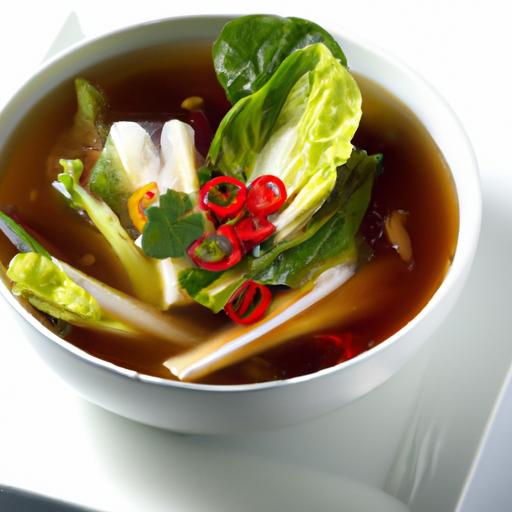

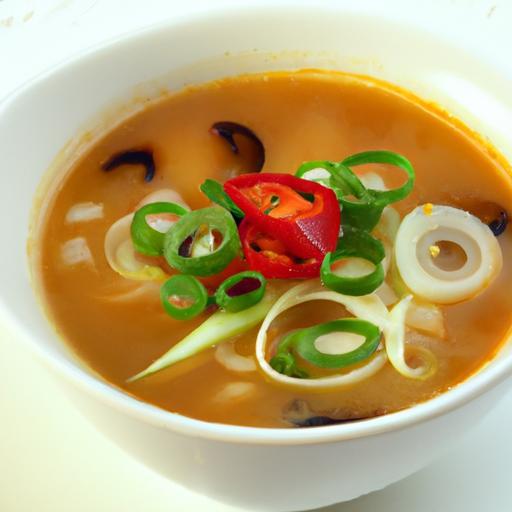
In the vast, aromatic world of Chinese cuisine, few dishes capture the senses quite like hot and sour soup. A harmonious dance of bold flavors-tangy vinegar, fiery pepper, savory mushrooms, and tender tofu-this classic soup is more than just a comforting starter; it’s a culinary story steeped in tradition and regional ingenuity.”Savor the Essence: Classic Hot and Sour Soup Unveiled” invites you on a flavorful journey to explore the origins, ingredients, and subtle techniques that make this beloved soup a timeless masterpiece.Whether you’re a seasoned food lover or a curious newcomer,prepare to discover the rich tapestry behind every steaming bowl and unlock the secrets to creating this iconic dish at home.
Savor the Essence: Classic Hot and Sour Soup Unveiled invites you on a flavorful journey into a dish that is both comforting and exhilarating.Rooted deeply in Chinese culinary heritage, this soup sparks the palate with its masterful balance of zesty vinegar, spicy heat, and earthy umami. Originally crafted in Sichuan and Hunan provinces, it has since transcended borders, becoming a beloved staple in homes and restaurants worldwide. My first taste of hot and sour soup was during a chilly evening in chengdu, where its warming broth perfectly harmonized invigorating heat and soothing tang, creating a memorable experience that inspired me to master this classic dish in my own kitchen.
Prep and Cook Time
- Planning: 15 minutes
- cooking: 20 minutes
- Total Time: 35 minutes
Yield
Serves 4 generously as a starter or light meal.
Difficulty Level
Medium – approachable for confident home cooks
Essential Ingredients for the Perfect Hot and sour Soup
- 6 cups chicken or vegetable broth, preferably homemade or low sodium
- 1/2 cup dried shiitake mushrooms, rehydrated and thinly sliced
- 1/2 cup bamboo shoots, julienned
- 1/2 cup firm tofu, cut into thin matchsticks
- 2 large eggs, lightly beaten
- 3 tablespoons soy sauce, dark for depth
- 3 tablespoons Chinese black vinegar, the soul of sourness
- 1 teaspoon white pepper, freshly ground for authentic heat
- 1 teaspoon chili garlic sauce, adjust to taste
- 1 tablespoon cornstarch mixed with 3 tablespoons cold water (slurry)
- 2 tablespoons sesame oil, toasted for aroma
- 3 scallions, finely sliced for garnish
- Fresh cilantro, optional for bright herbal notes
Instructions to Master the Balance of Flavors and Texture
- Prepare your broth: In a large pot, bring the chicken or vegetable broth to a gentle simmer over medium heat.
- Add mushrooms and bamboo shoots: Stir in the rehydrated shiitake mushrooms and bamboo shoots, simmer for 5 minutes to infuse earthy depth.
- Incorporate tofu and seasonings: Gently add tofu strips, soy sauce, black vinegar, white pepper, and chili garlic sauce. Stir carefully to keep tofu intact.
- Thicken the soup: Slowly pour in the cornstarch slurry, stirring constantly untill the broth thickens slightly and develops a glossy finish.
- Create the ribboned egg: drizzle the beaten eggs in a thin stream into the gently simmering soup while stirring in one direction. This will form delicate, silky egg ribbons.
- finalize with sesame oil: Remove the pot from heat and drizzle toasted sesame oil for a fragrant finish.
- Garnish and serve: Ladle the soup into bowls, sprinkle chopped scallions and fresh cilantro atop for crunch and color.
Chef’s Notes: Tips for a Stunning Hot and Sour Experience
- Customize heat levels by adjusting the chili garlic sauce or substituting with fresh sliced chili peppers for sharper spiciness.
- Try different vinegars: If Chinese black vinegar is unavailable, a combination of balsamic and rice vinegar works as a substitute but expect a subtle flavor shift.
- protein variations: add shredded chicken, pork, or shrimp for a heartier meal without compromising authenticity.
- Vegetarian option: Use vegetable stock and mushroom broth with tofu to keep it plant-based while retaining rich flavors.
- Make ahead: Prepare the broth and mushroom mixture a day in advance,keeping eggs separate to add right before serving for fresh texture.
Serving Suggestions
Present this soulful soup in deep, wide bowls to showcase the ribboned eggs and vibrant garnishes. accompany it with steamed jasmine rice or delicate dumplings for a complete meal. A drizzle of chili oil or a squeeze of fresh lime can further elevate the flavor profile at the table, inviting each diner to tailor their bowl to perfection.
| Nutrient | Per Serving |
|---|---|
| Calories | 180 kcal |
| Protein | 11 g |
| Carbohydrates | 12 g |
| Fat | 8 g |

For those eager to deepen their understanding of customary Asian broths, check out our Ultimate Guide to Asian Broths. To explore the science behind vinegar in Chinese cuisine, the ScienceDirect article on fermented vinegars offers a fascinating read.
Q&A
Q&A: savor the essence – Classic Hot and Sour Soup Unveiled
Q1: What makes classic hot and sour soup such an enduring favorite in Asian cuisine?
A1: Classic hot and sour soup is a vibrant dance of contrasting flavors-tangy, spicy, savory, and umami-all harmonizing in one comforting bowl. Its balance between heat and acidity awakens the senses, while the silky broth paired with tender mushrooms, tofu, and crisp bamboo shoots creates a texture-rich experience that’s both nourishing and satisfying. This timeless soup encapsulates the culinary philosophy of balance, making it a beloved staple.
Q2: Where did hot and sour soup originate, and how has it evolved?
A2: Hot and sour soup traces its roots to Chinese cuisine, particularly from the Sichuan and hunan provinces, known for their bold flavors. Traditionally made with ingredients like pork, tofu, black mushrooms, and vinegar, the recipe has adapted over centuries and regions to suit local tastes-incorporating chicken, shrimp, or even vegetarian variations. Its enduring popularity has propelled it onto menus worldwide, each iteration preserving its soul while embracing new twists.
Q3: What are the signature ingredients that define classic hot and sour soup?
A3: At its core, classic hot and sour soup relies on a symphony of key players: Chinese black vinegar lending that sharp tang; white pepper delivering gentle heat; silken tofu adding creamy softness; dried wood ear mushrooms providing a delightful chew; bamboo shoots offering crunch; and savory broth enriched with soy sauce and sometimes pork or chicken stock. the combination of these ingredients ensures the soup’s signature depth and complexity.
Q4: how does one perfectly balance the ‘hot’ and ’sour’ elements in this soup?
A4: Achieving the quintessential hot and sour balance is a culinary art. The ‘hot’ usually stems from white pepper or fresh chili, wich provides warmth without overwhelming spiciness, while the ‘sour’ comes from Chinese black vinegar, bright and slightly sweet. The key lies in layering-gradually adding these elements and tasting along the way, allowing them to meld. Too much vinegar tips the soup overly acidic; too much pepper can overshadow delicate flavors. Precision and patience create that perfect harmony.
Q5: Can hot and sour soup be made vegetarian or vegan without losing its essence?
A5: Absolutely. By swapping meat-based broths with rich vegetable stock and using mushrooms and tofu for umami and texture, hot and sour soup retains its soul. The vinegar’s acidity and the pepper’s spice are plant-based,making it naturally vegan-kind. Adding smoked tofu or miso can boost the depth, ensuring a hearty, satisfying version that honors tradition while embracing compassionate choices.
Q6: What is the best way to enjoy hot and sour soup?
A6: Hot and sour soup is best served steaming hot, frequently enough as a starter or a light entrée. Pairing it with simple steamed jasmine rice or delicate dim sum can elevate the meal. For an immersive experience, sip slowly to notice the shifting layers-from the initial warmth to the lingering tartness-and savor the textural contrasts of silky tofu and crunchy bamboo shoots. It’s a bowl that invites mindfulness with every spoonful.
Q7: Are there any common mistakes to avoid when making hot and sour soup at home?
A7: Indeed,a few pitfalls can muddy the perfect balance. Overcooking the tofu or mushrooms can result in mushy textures; adding vinegar too early can cause bitterness; and relying on chili powder instead of white pepper changes the flavor profile drastically. Also, neglecting to cornstarch-thicken the broth can leave it thin and less comforting. Careful attention to timing,ingredient quality,and seasoning adjustments ensures your homemade hot and sour soup sings.
Q8: How does hot and sour soup reflect broader themes in Chinese culinary philosophy?
A8: Hot and sour soup embodies the principle of balance central to Chinese cooking-yin and yang expressed through flavor contrasts and ingredient interplay. It showcases harmony between opposites: heat and coolness, sourness and savoriness, softness and crunch. This soup not only nourishes the body but also delights the palate in a holistic way, reflecting the cultural view of food as medicine and art combined.
In Retrospect
As the final spoonful of this timeless hot and sour soup lingers on your palate,you’ve not only savored a masterpiece of contrasting flavors but also stepped into a rich tapestry of culinary history. From the tangy zest to the gentle heat and the subtle umami beneath, each ingredient tells a story of tradition and balance, inviting you to appreciate the art behind every bowl.
Whether you’re a seasoned foodie or a curious newcomer, classic hot and sour soup offers an enduring invitation-to warm the soul, excite the senses, and celebrate a heritage that continues to inspire kitchens around the world. So next time you crave comfort with a spirited twist, remember, this humble soup is never just about the taste; it’s about savoring the essence itself.