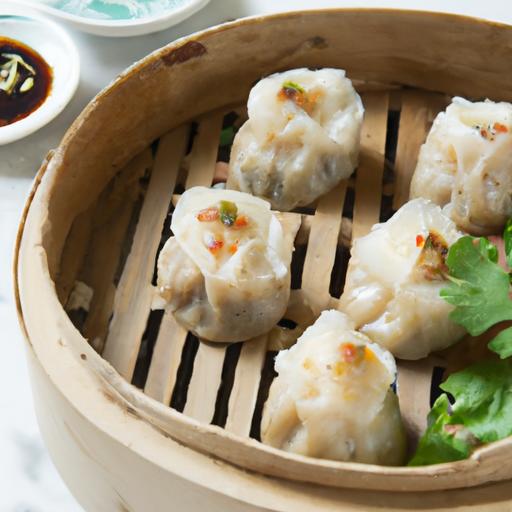

In the bustling heart of Chinese culinary tradition lies a delicate craft that has enchanted palates for centuries: the art of steamed dim sum. More than just a meal, dim sum is a harmonious symphony of texture, aroma, and flavor-each bite a miniature masterpiece designed to delight the senses.From the whisper-thin rice paper wrappers to the succulent fillings that burst with umami, steamed dim sum offers an intimate glimpse into China’s rich cultural tapestry and its reverence for culinary finesse. Join us as we unravel the secrets behind these steaming baskets of joy, exploring how artistry and tradition come together to create a timeless feast that continues to captivate taste buds around the world.
Delighting Taste Buds: The Art of chinese Steamed Dim Sum unlocks a world where culinary tradition meets meticulous craftsmanship, transforming humble ingredients into bite-sized bursts of flavor. Steamed dim sum, rooted deeply in Cantonese tea culture, carries centuries of history that echo in every delicate fold of the wrapper and every savory splash of dipping sauce. Whether a beginner or an experienced cook, mastering steamed dim sum is an adventurous journey filled with aromas, textures, and vibrant tastes that invite you to savor each moment.
Prep and Cook Time
- Planning: 45 minutes
- Steaming: 15 minutes
- Total Time: 1 hour
Yield
Approximately 24 steamed dumplings (serves 4)
Difficulty Level
Medium – Requires practice for dough handling and steaming precision
Ingredients
- For the Dough:
- 2 cups all-purpose flour,sifted
- ¾ cup boiling water
- Pinch of salt
- For the Filling:
- 8 oz ground pork (preferably with 20% fat)
- ½ cup finely chopped water chestnuts
- 2 tbsp minced green onions
- 1 tbsp soy sauce
- 1 tsp sesame oil
- 1 tsp fresh grated ginger
- ½ tsp white pepper
- 1 tbsp Shaoxing wine (optional)
- 1 tsp sugar
- Salt,to taste
- 1 tbsp cornstarch
- Dipping Sauce:
- 2 tbsp soy sauce
- 1 tbsp black vinegar
- 1 tsp chili oil (optional)
Instructions
- Prepare the dough: Place the sifted flour into a mixing bowl and gradually pour in boiling water while stirring with chopsticks or a wooden spoon to form a shaggy dough. When cool enough to handle, knead on a floured surface for 8-10 minutes until smooth and elastic. Cover with a damp cloth and let rest for 30 minutes.
- Make the filling: In a bowl, combine ground pork, water chestnuts, green onions, soy sauce, sesame oil, grated ginger, white pepper, Shaoxing wine, sugar, and salt.Add cornstarch and mix thoroughly until the filling becomes sticky and well incorporated. This step ensures juicy, cohesive filling inside your dim sum.
- Divide and roll dough: Cut the rested dough into equal 1-inch pieces. roll each piece into a thin circle about 3 inches in diameter, keeping edges thinner than the center for perfect wrapping flexibility.
- Assemble the dumplings: Place a teaspoon of filling into the center of each dough circle. Fold and pleat the edges carefully to seal, creating a charming half-moon shape. Pinch thoroughly to avoid leaks during steaming.
- Prepare steamer: Line your bamboo or metal steamer basket with parchment paper or cabbage leaves to prevent sticking. Arrange dumplings with space between to allow steam circulation.
- Steam the dim sum: Bring water to a boil in your steamer base. Place the basket over boiling water, cover with a lid, and steam for 12-15 minutes until dumplings turn slightly translucent and filling is cooked through.
- Serve and garnish: Transfer steamed dumplings to a platter, garnish with finely chopped scallions or coriander, and accompany with dipping sauce.
Chef’s Notes: Tips for Success
- Dough texture is key: If dough feels too sticky, add a little more flour before resting; if too dry, dampen hands slightly during kneading.
- Filling variations: Swap pork for shrimp, chicken, or vegetarian mushrooms and tofu to explore flavors while keeping the essence of steamed dim sum.
- Seal with care: Mastering the pleat technique not only looks elegant but prevents stuffing from spilling and drying out.
- Make ahead: Prepare filled dumplings and freeze on baking trays before transferring to a sealed container. Steam directly from frozen by extending cook time by 3-4 minutes.
- Steaming water: Keep water boiling vigorously, but avoid water droplets falling on dumplings to maintain perfect texture.
Serving Suggestions
Serve your delicately steamed dim sum on a bamboo tray or white ceramic plate for contrast. Sprinkle with freshly chopped chives or cilantro and add a side of warm jasmine tea for an authentic experience. Pair these gems with pickled ginger slices or a splash of chili oil to awaken your palate with every bite.
| Nutritional Facts (per serving) | Calories | Protein | Carbohydrates | Fat |
|---|---|---|---|---|
| steamed Pork Dim sum | 220 kcal | 15 g | 18 g | 9 g |

For more insights on mastering authentic Chinese cooking techniques, explore our article on Chinese stir-frying basics. To deepen your cultural appreciation, visit China Highlights – Dim Sum Culture.
Q&A
Q&A: Delighting Taste Buds – The Art of Chinese Steamed Dim Sum
Q1: What exactly is dim sum, and why is steaming such an essential technique?
A1: Dim sum is a light, flavorful assortment of Chinese dishes traditionally enjoyed during brunch. The word literally means “touch the heart,” reflecting the cuisine’s aim to delight rather than overwhelm. Steaming is essential because it preserves the delicate textures and natural flavors of ingredients-gentle heat coaxing out sweetness in shrimp, tenderness in pork, and subtle fragrance in vegetables-resulting in a harmonious bite that’s both tender and juicy.
Q2: How does steaming influence the taste and texture of dim sum compared to other cooking methods?
A2: Unlike frying or baking, steaming locks in moisture and heat without direct contact with oil or dry air. This creates a soft, silky texture-think pillowy buns and succulent dumplings-while maintaining a fresh, unmasked flavor profile. It’s a method that respects the purity of each ingredient, delivering a clean taste and melt-in-the-mouth experience that’s signature to classic dim sum.
Q3: What are some iconic steamed dim sum dishes every enthusiast should try?
A3: Must-tries include the steamed shrimp dumpling (har gow) with its translucent wrapper and juicy filling; siu mai, open-top pork and mushroom dumplings bursting with umami; and the fluffy char siu bao-barbecue pork buns that are slightly sweet, soft, and satisfyingly savory. Each dish is a miniature masterpiece, showcasing texture, color, and balanced seasoning that captivate the palate.
Q4: Can you describe the artistry behind making the perfect dim sum wrapper?
A4: The wrapper is the silent stage on wich the symphony of fillings performs. It requires precision-thin enough to be tender and translucent, yet strong enough to encase succulent fillings without breaking. Crafting the dough demands the right flour blend, hydration, and kneading technique, ofen passed down through generations. Skilled hands stretch or pleat wrappers into delicate shapes that are as visually appealing as they are flavorful.
Q5: Beyond taste, what cultural meaning does steamed dim sum carry?
A5: Steamed dim sum is more than food; it’s a ritual of community and shared joy. Originating from Cantonese teahouses, it’s traditionally enjoyed in a leisurely, social setting-friends and family gather around steaming baskets, exchanging stories and laughter. This communal aspect enriches each bite with warmth and connection, making dim sum a sensory and cultural feast.
Q6: How can home cooks replicate authentic steamed dim sum? Any tips or tricks?
A6: Patience and preparation are key. Start with quality fillings-fresh seafood, finely minced pork, or seasonal vegetables-and master the wrapper’s dough, ensuring it’s elastic and smooth. Use a bamboo steamer for an authentic touch, lining it with parchment or cabbage leaves to prevent sticking. Don’t overcrowd the basket; steam just until the fillings are cooked through but still juicy. Lastly, experiment with dipping sauces-soy, chili oil, or black vinegar-to personalize each bite.
Delighting your taste buds with steamed dim sum is appreciating a centuries-old craft where technique meets tradition, and every tender morsel tells a story. Whether enjoyed in a bustling teahouse or your own kitchen, it invites you to savor not just food, but culture, artistry, and conviviality.
Final Thoughts
As the delicate steam rises and the harmonious flavors of each bite unfold, Chinese steamed dim sum reveals itself not merely as food, but as an art form-an edible symphony crafted to delight the senses and honour tradition. Whether savored in a bustling teahouse or recreated in your own kitchen, mastering the nuances of dim sum invites a deeper appreciation for the culture and culinary mastery behind every tender dumpling and fluffy bun.In celebrating these bite-sized treasures, we embrace a rich heritage that continues to captivate taste buds around the world, proving that sometimes, the simplest pleasures come wrapped in the softest steam.