
In a world where snacking often comes with guilt, rice cakes quietly carve out their place as teh ultimate crunchy and light companion. These humble discs are more than just a low-calorie option-they’re a versatile canvas for flavors, a satisfying way to curb cravings, and a smart choice for those seeking balance without sacrificing taste. Join us as we unwrap the surprising benefits of low-calorie rice cakes and explore how this simple snack can elevate your eating habits while keeping things delightfully crispy.
Crunchy & Light rice cakes have become a beloved pantry staple for anyone seeking a satisfying snack that doesn’t compromise on nutrition or taste. Originating from traditional Asian cuisine and now embraced worldwide, these airy, crisp discs deliver a delightful crunch with minimal calories. Their subtle flavor and versatile texture open up endless possibilities-from sweet to savory creations-making them a perfect partner in your balanced eating journey.
Prep and cook Time
Prep: 5 minutes | Cook: None required | Total: 5 minutes
Yield
2 servings (4 rice cakes each)
Difficulty Level
Easy
Ingredients
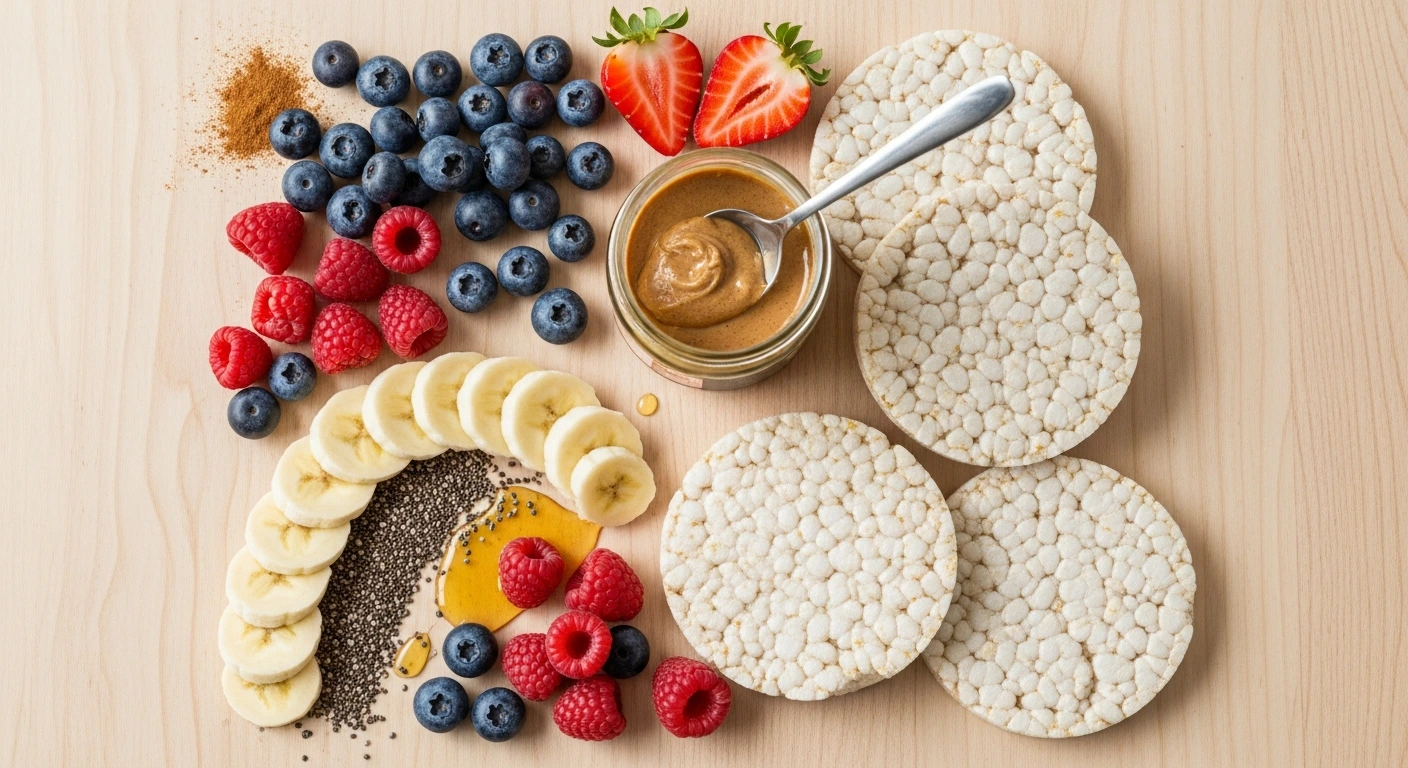
- 4 low-calorie rice cakes (plain or lightly salted)
- 2 tbsp natural almond butter (or your favorite nut/seed butter)
- 1 small banana, sliced thin
- 1 tsp chia seeds
- 1 tsp honey or maple syrup (optional)
- Fresh berries (blueberries or raspberries), for topping
- Pinch of cinnamon
Instructions
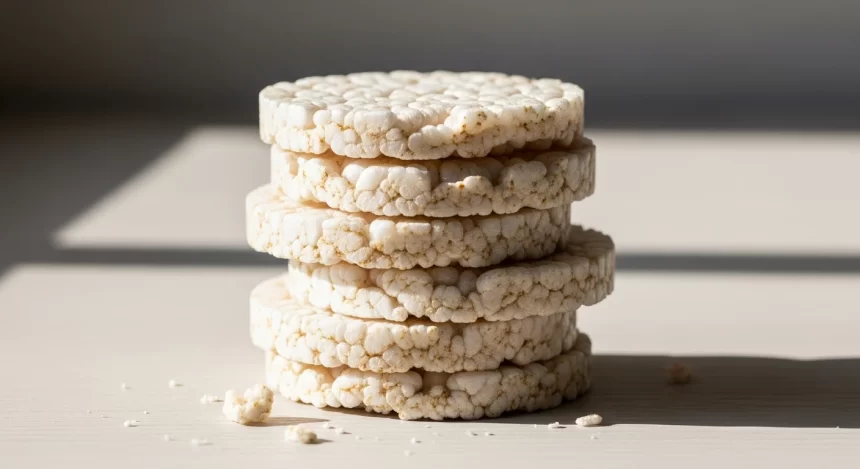
- Lay out the rice cakes on a clean surface or plate. Choose plain low-calorie rice cakes for the best base that highlights your toppings.
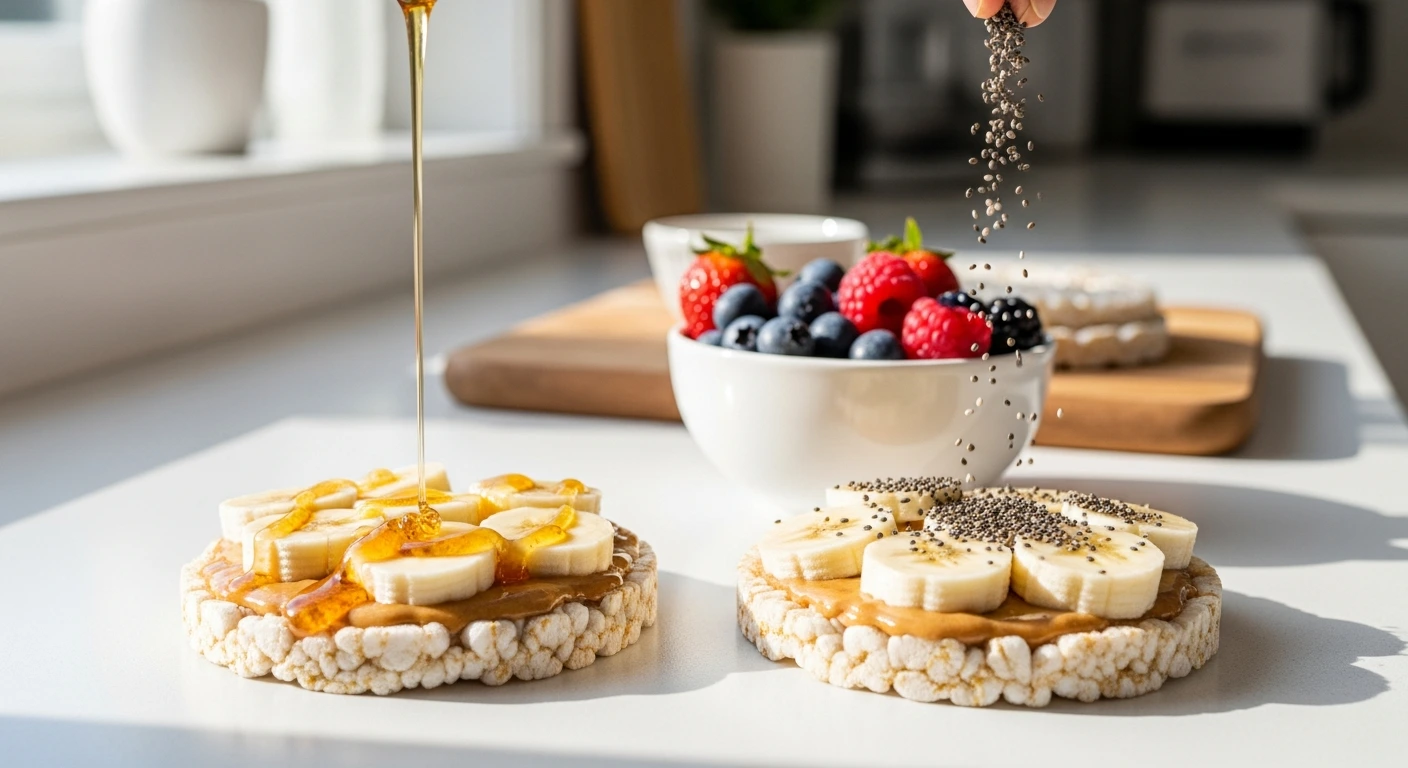
- spread 1/2 tablespoon of almond butter evenly across each rice cake. This adds richness and a creamy texture that contrasts beautifully with the crunch.
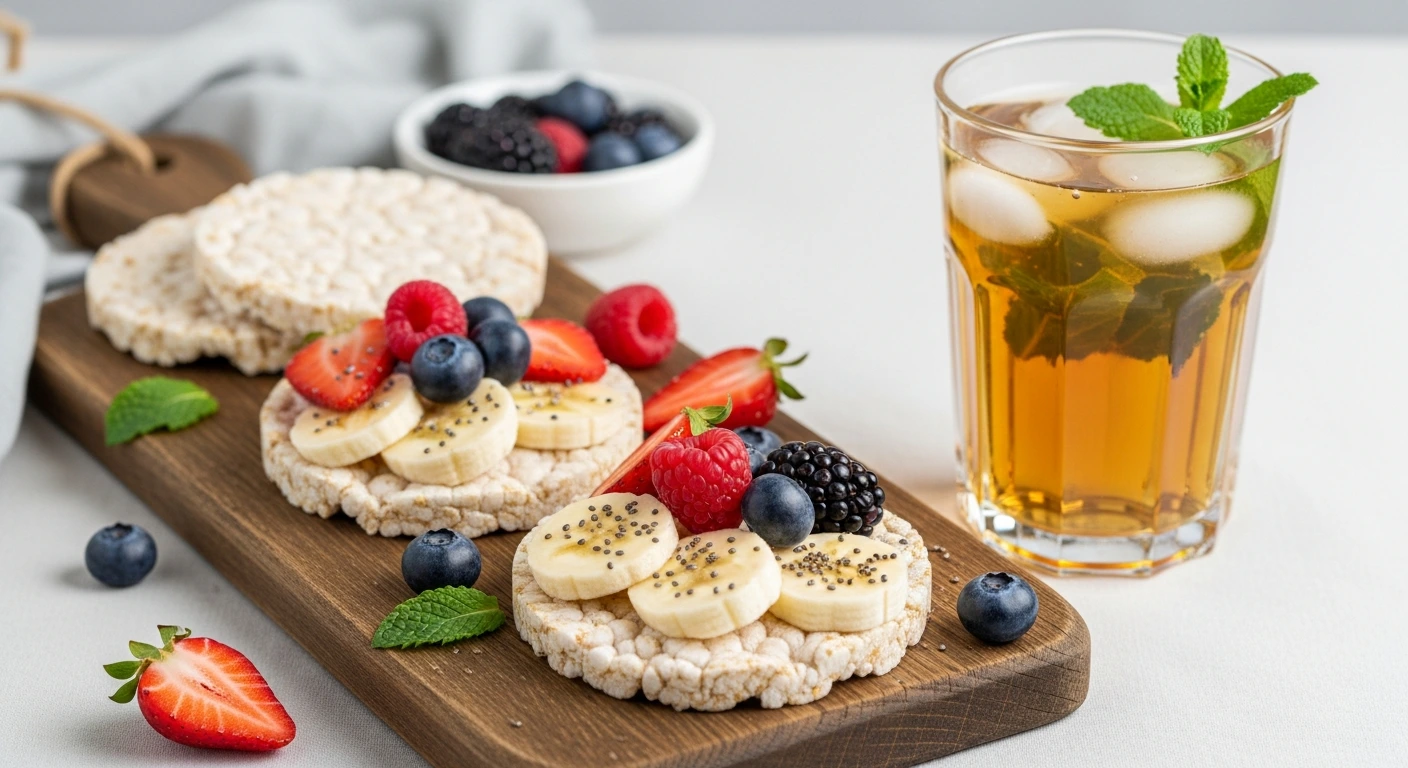
- Arrange banana slices evenly on top of the almond butter layer. The natural sweetness pairs perfectly with the mild cake flavor.
- Sprinkle chia seeds and a light dusting of cinnamon over each rice cake for added nutrition and a warm spice note.
- Drizzle honey or maple syrup sparingly for a touch of sweetness, keeping it guilt-free.
- Finish with fresh berries scattered on top to brighten the snack and boost antioxidants.
- Serve instantly for the best crunch and freshness.
Tips for Success
- Experiment with nut butters: Try peanut, cashew, or sunflower seed butter for different flavor profiles.
- Choose your rice cake carefully: Look for varieties made with whole grains or brown rice to increase fiber content.
- Keep toppings light: Overloading can weigh down the rice cake and reduce its crunch factor.
- Make it savory: Swap banana and honey with avocado slices, cherry tomatoes, and a sprinkle of sea salt for a vibrant choice.
- Prepare ahead: Pre-portion nut butter and sliced fruits in small containers to assemble quickly on busy days.
Serving Suggestions
Present your crunchy, low-calorie rice cake snacks on a rustic wooden board, garnished with extra chia seeds and fresh mint leaves for a pop of color. Pair with a refreshing herbal iced tea or a cool cucumber-infused water to refresh the palate.
| Nutrient | Per Serving (4 rice cakes with toppings) |
|---|---|
| Calories | 180 kcal |
| Protein | 5 g |
| Carbohydrates | 26 g |
| Fat | 6 g |
Discover more healthy snack ideas to complement your balanced diet, and explore scientific insights on whole grains and metabolism at the British Nutrition Foundation.

Q&A
Q&A: Crunchy & Light-Discover the Benefits of Low-Calorie Rice Cakes
Q1: What makes rice cakes a popular snack choice?
A1: Rice cakes have earned their spot as a fan-favorite snack as they strike the perfect balance between crunch and lightness. Their airy texture satisfies cravings for something crunchy without the heaviness or guilt often associated with traditional snacks like chips or crackers. Plus, their neutral flavor makes them a versatile canvas for endless toppings!
Q2: Are rice cakes truly low in calories?
A2: Absolutely! On average, a plain rice cake contains just about 35-40 calories. this makes them an ideal snack option for anyone looking to manage their calorie intake without feeling deprived. Their lightness allows you to enjoy a satisfying bite without the calorie overload.
Q3: How do rice cakes fit into a balanced diet?
A3: Rice cakes can easily complement a balanced diet. They provide a fast source of carbohydrates, giving you an energy boost without excess fat or sugar. When paired with nutrient-rich toppings like avocado, hummus, or nut butters, rice cakes transform into a nourishing mini-meal that supports sustained energy and satiety.
Q4: Can rice cakes support weight management goals?
A4: Yes! Because of their low calorie count and portion-controlled size, rice cakes are perfect for mindful snacking.They help curb hunger between meals and prevent overeating.Their crunchy texture also delivers sensory satisfaction, which can reduce the urge to binge on less healthy snacks.
Q5: what varieties of rice cakes are available, and does their nutrition vary?
A5: Rice cakes come in several varieties, including brown rice, multigrain, and flavored options like caramel or apple cinnamon. While plain varieties are the lowest in calories and additives,flavored options may contain added sugars or sodium,so it’s wise to check the label. Brown rice cakes offer extra fiber compared to white rice cakes, contributing to better digestion and prolonged fullness.
Q6: How can I creatively incorporate rice cakes into my diet?
A6: The possibilities are endless! top your rice cakes with everything from creamy almond butter and banana slices to savory toppings like smoked salmon and cucumber. You can even crumble them as a crunchy element in salads or use them as a gluten-free breadcrumb alternative in recipes. Their versatility makes healthy eating exciting and fun.
Q7: Are rice cakes suitable for people with dietary restrictions?
A7: Most definitely. Rice cakes are naturally gluten-free, low in fat, and free from common allergens like dairy and nuts (unless flavored or topped). This makes them an excellent snack for individuals with gluten intolerance, vegetarians, vegans, or anyone seeking a clean-label option.
Q8: Any tips for selecting the best rice cakes?
A8: Look for rice cakes with minimal ingredients-ideally just rice and salt. Avoid those with excessive preservatives, artificial flavors, or high sugar content if you wont a truly healthy snack. Choosing brown rice varieties can add extra fiber for a nutritional boost.
Q9: How do rice cakes compare to other low-calorie snacks?
A9: Compared to snacks like popcorn or veggie sticks, rice cakes offer a denser crunch and more versatility in usage. They’re more filling than manny fruit snacks due to their carbohydrate content, yet lighter than many nut-based snacks in terms of calories and fat. this unique niche makes them a balanced option for varied cravings.
Q10: Can rice cakes help in improving digestion?
A10: While plain rice cakes are mainly a source of simple carbohydrates,opting for brown rice or multigrain varieties can add beneficial fiber that supports digestive health. Additionally, pairing rice cakes with fiber-rich toppings like avocado or fresh veggies can further aid digestion.
Enjoy your crunchy and light journey with rice cakes-a snack that’s low in calories but high on benefits!
Insights and Conclusions
Whether you’re seeking a crunchy snack that won’t weigh you down or simply curious about healthier alternatives, low-calorie rice cakes offer a delightful solution.Their light texture and subtle flavor make them a versatile base for endless tasty combinations, while their low-calorie profile supports mindful eating without sacrificing satisfaction. Embracing rice cakes in your diet isn’t just about trimming calories-it’s about adding a new layer of enjoyment to your snacking routine. So next time hunger strikes, reach for that crisp, airy bite and discover how something so simple can make a big difference in your healthy lifestyle journey.