

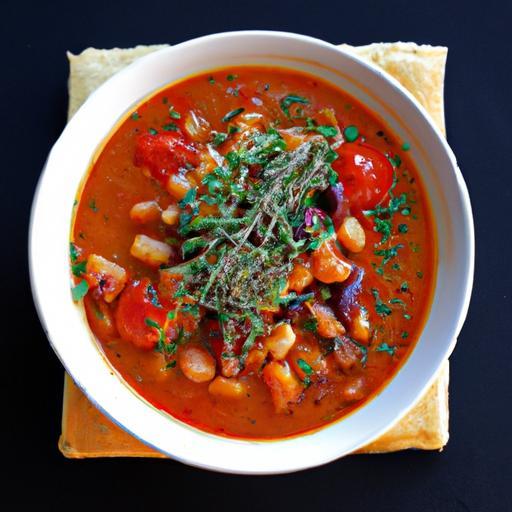
In the world of comforting cuisine, few dishes capture the heart and heritage of home cooking quite like classic minestrone soup. This timeless Italian staple is more than just a medley of vegetables and beans; it is a culinary symphony that has been perfected through generations, balancing simple, wholesome ingredients into a rich tapestry of flavour. As we delve into the art of crafting this iconic soup, we uncover the secrets that transform humble pantry staples into a nourishing masterpiece-proving that sometimes, the most enduring flavors are born from tradition, patience, and a touch of love. Join us on a flavorful journey to explore why minestrone remains a beloved classic, warming kitchens and palates across the world.
Timeless flavor dances in every spoonful of this vibrant, classic minestrone soup. Drawing from generations of Italian home cooking, this rich and hearty bowl captures the essence of fresh garden vegetables and fragrant herbs harmonized with a robust broth. It’s more than just a soup-it’s a warm embrace on a chilly day and a homage to the art of balancing freshness with depth.
Prep and Cook Time
- Preparation: 20 minutes
- Cooking: 50 minutes
- Total: 1 hour 10 minutes
Yield
- Serves 6 generous bowls
Difficulty Level
- Medium – approachable with basic kitchen skills
Ingredients
- 2 tbsp extra virgin olive oil
- 1 large onion, finely diced
- 2 cloves garlic, minced
- 2 medium carrots, diced
- 2 celery stalks, diced
- 1 medium zucchini, cut into small cubes
- 1 cup green beans, trimmed and cut into 1-inch pieces
- 1 (14 oz) can diced tomatoes, with juices
- 1 cup dry cannellini beans, soaked overnight (or 1 can, drained and rinsed)
- 6 cups vegetable broth, preferably homemade or low-sodium
- 1 tsp dried oregano
- 1 tsp dried thyme
- 2 bay leaves
- 1/4 cup small pasta** (ditalini or elbow macaroni)
- Salt and freshly ground black pepper, to taste
- 1/4 cup fresh parsley, chopped
- Freshly grated Parmesan cheese (optional, for garnish)
instructions
- Heat the olive oil in a large heavy-bottomed pot over medium heat. Add the chopped onion, carrots, and celery. Sauté until the vegetables soften and the onions turn translucent, about 7 minutes, stirring occasionally to prevent sticking.
- Add the minced garlic and cook for another 1 minute until fragrant, taking care not to burn it.
- Stir in the diced zucchini and green beans,cooking for 3-4 minutes to marry their flavors with the sofrito base.
- Pour in the diced tomatoes with their juice. Stir well, allowing the tomatoes to break down slightly, about 5 minutes.
- Add the soaked (or canned) cannellini beans and vegetable broth.Then layer in the dried oregano,thyme,and bay leaves.
- Bring the soup to a gentle boil,then reduce the heat to low.Cover and simmer for 30 minutes, letting the flavors meld and the broth deepen in richness.
- Remove the bay leaves and season the soup generously with salt and freshly ground black pepper according to your taste.
- Add the pasta and simmer uncovered for 10 minutes or until the pasta is tender but still al dente.
- Just before serving, stir in the chopped fresh parsley to provide a burst of vibrant color and fresh flavor.
- Ladle the minestrone into bowls and sprinkle with freshly grated Parmesan cheese, if desired, for a luscious finishing touch.
tips for Success
- For a deeper broth base, sauté your vegetables slowly over medium heat rather than high, coaxing out natural sweetness.
- If using canned beans, rinse well to reduce sodium and add into the soup towards the end to prevent them from breaking apart.
- Swap in seasonal vegetables such as butternut squash or kale to personalize your minestrone – this soup welcomes creativity.
- Use homemade vegetable broth for that authentic taste or a reputable organic store-bought option for convenience.
- Make a larger batch and chill overnight-this soup’s flavors only improve after a day.
- Omit the pasta to create a lighter, bean-forward version; add it fresh for each serving to keep it tender.
Serving Suggestions
Serve your bowl of minestrone steaming hot, ideally in rustic ceramic bowls that highlight the medley’s colorful vegetables.pair it with slices of crusty artisan bread rubbed with garlic and drizzled with extra virgin olive oil for a balanced meal. A few grinds of black pepper and a scattering of fresh herbs-basil or oregano work beautifully-heighten the sensory experience. Complement at the table with a crisp, dry white wine such as Vermentino or Pinot Grigio to subtly echo the soup’s garden-fresh notes.
| Nutritional Element | per Serving |
|---|---|
| Calories | 220 kcal |
| Protein | 9 g |
| Carbohydrates | 35 g |
| Fat | 4 g |

Explore more hearty, vegetable-driven recipes that celebrate timeless flavor on our Vegetable Soups Collection. For an in-depth guide on italian cooking traditions, visit Italian Food Forever.
Q&A
Q&A: Timeless Flavor – The Art of Classic Minestrone Soup
Q1: What makes minestrone soup a timeless classic?
A: Minestrone is more than just a soup-it’s a living canvas of Italian tradition, blending simple, fresh ingredients into a hearty, soul-warming meal. its versatility and the harmony of seasonal vegetables, beans, and herbs have allowed it to transcend generations, making it a beloved staple in kitchens worldwide.
Q2: What are the essential components of a customary minestrone?
A: At its heart, classic minestrone is a mosaic of garden vegetables such as carrots, celery, and zucchini, intertwined with beans like cannellini or borlotti, fragrant herbs, and a base of savory broth. Often, a handful of pasta or rice crowns the dish, adding comforting texture without overshadowing the fresh flavors.
Q3: How does one achieve the perfect balance of flavors in minestrone?
A: The secret lies in layering: sauté your aromatics-onion,garlic,and celery-with patience to unlock their sweetness. Then add vegetables and beans, cooking gently to preserve their integrity. Finishing with fresh herbs like basil or parsley and a splash of good olive oil brightens the bowl. Salt and pepper are the invisible artists that shape the final taste.
Q4: Can minestrone be adapted for different seasons or diets?
A: absolutely! Minestrone is a shape-shifting star of the kitchen. In spring, lean on fresh peas and asparagus; the autumn harvest invites squash and kale; winter welcomes root vegetables. plus, being naturally vegetarian and gluten-free options abound-swap pasta for quinoa, or add hearty greens for a nutrient boost without losing its essence.
Q5: What role does minestrone play in Italian culture?
A: More than nourishment, minestrone embodies the Italian ethos of cucina povera-‘poor kitchen’-were humble ingredients are elevated with love and creativity. It’s a communal dish, frequently enough prepared in large pots, fostering warmth and connection around the table, reflecting the heart of Italian hospitality.Q6: Any tips for home cooks to master classic minestrone?
A: Embrace patience and intuition. Use vegetable broth or simmer vegetable scraps beforehand for deep flavor. Resist overcooking the vegetables-they should be tender but vibrant. serve it with a crusty bread and perhaps a sprinkle of Parmigiano-Reggiano to complete the timeless experience.
Q7: Why does minestrone continue to inspire chefs and food lovers today?
A: Its enduring appeal lies in its adaptability and soul. Minestrone invites creativity yet offers comfort in every spoonful. It’s a testament to how simple, honest ingredients can craft not just a meal-but a story passed through time, culture, and family traditions.
Key Takeaways
as the steam rises from a bowl of classic minestrone,it carries with it centuries of culinary tradition-a timeless blend of humble ingredients transformed by simple,thoughtful craft. This soup is more than just a meal; it’s a story simmered in every ladle, a harmonious chorus of fresh vegetables, hearty beans, and fragrant herbs that transcend trends and seasons.Embracing the art of classic minestrone is an invitation to savor not only the rich flavors but also the enduring spirit of home-cooked comfort. So, whether you’re stirring the pot on a chilly evening or crafting a light springtime feast, remember: in every spoonful lies a timeless flavor, patiently waiting to nourish both body and soul.