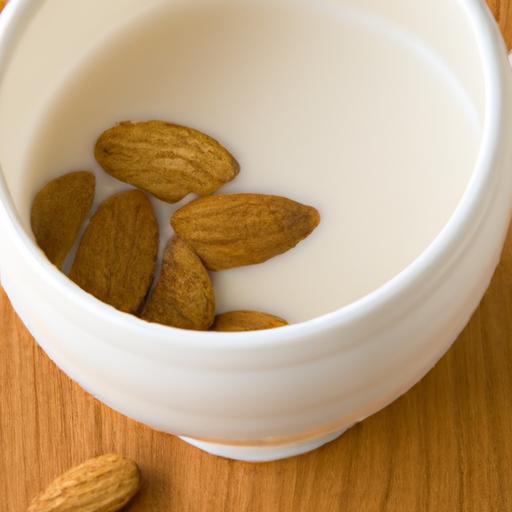

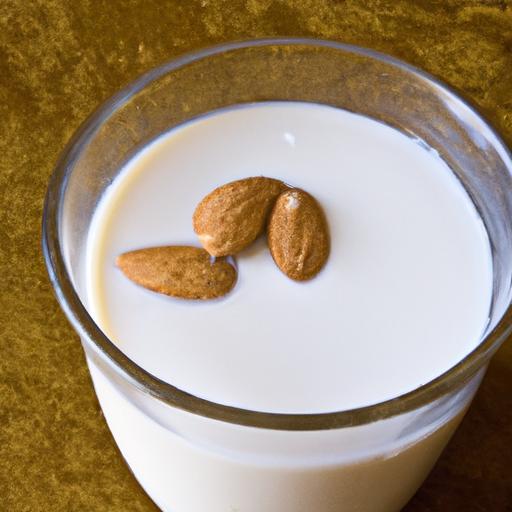
There’s something undeniably satisfying about creating something fresh and wholesome with your own hands-especially when it comes to something as nourishing as almond milk. Whether you’re seeking a dairy-free alternative, aiming to avoid preservatives, or simply curious about what goes into your glass, crafting creamy almond milk at home offers a simple, flavorful, and customizable solution. In this guide, we’ll take you step-by-step through the art of transforming humble almonds into a silky, refreshing beverage-no fancy gadgets required. Get ready to elevate your kitchen routine with a homemade almond milk recipe that’s as rewarding to make as it is to enjoy.
Gathering the Perfect Almonds for Optimal Creaminess
Crafting creamy almond milk starts with selecting the right almonds: fresh,plump,and high-quality nuts create a silky,rich base that defines the entire experience. Opt for raw, unroasted almonds-these hold the purest flavor and retain all the natural oils that unlock that luscious creaminess we crave. Organic almonds are a wonderful choice if you want to avoid any unwanted residues and ensure top-notch taste and nutrition. When shopping, look for almonds with a smooth, matte surface and avoid any that feel overly dry or shriveled. Remember, the fresher the almond, the more vibrant your almond milk will be in texture and taste.
Soaking secrets to Unlock the Richest Flavors
Soaking is an essential step that transforms your almonds from firm and dense to soft, plump, and brilliantly blendable.By soaking your almonds for at least 8-12 hours (or overnight), you awaken their natural oils and soften their texture, which directly contributes to a creamier almond milk with a delicate sweetness. Warm water enhances this process, gently coaxing out the flavors and neutralizing enzyme inhibitors for better digestion.
For an extra boost of flavor, add a pinch of sea salt or a splash of vanilla extract to your soaking water. This subtle infusion makes a world of difference in the final taste profile, delighting your palate with each sip. After soaking, thoroughly rinse the almonds to remove residual enzymes and ensure a clean, fresh starting point.
Blending Techniques That Transform Texture and Taste
the secret to velvety smooth almond milk lies in your blending process. Use a powerful blender to break down the soaked almonds thoroughly, which releases their creamy oils and creates that irresistible, silky texture. Start by combining the soaked almonds with fresh, cold water-generally a 1:3 ratio-for a balanced creaminess that’s neither too thick nor too watery.
Blend on high speed for 2 to 3 minutes, or until the mixture is uniformly smooth and creamy with no grainy bits. A high-speed blender is ideal, but even a reliable food processor can work with a little extra blending time. Straining through a fine nut milk bag or a double layer of cheesecloth ensures a luscious finish, free from pulp, giving you that picture-perfect almond milk that’s both smooth and rich.
Customizing Your Almond Milk with Natural Enhancers
Once you have your creamy almond milk base, personalizing it to suit your taste is both easy and fun. Sweeten naturally with maple syrup, honey, or dates for a subtle, wholesome sweetness that complements the nuttiness. Add a splash of vanilla extract, cinnamon, or a pinch of sea salt to elevate layers of flavor and aroma.
For extra nutrition and creaminess, consider blending in a tablespoon of coconut cream or a teaspoon of almond butter-these enrich the mouthfeel and give your almond milk a luxurious body, perfect for sipping, pouring over cereal, or blending into coffee and smoothies. The beauty of crafting creamy almond milk at home lies in these simple customizations that transform an everyday ingredient into a decadent treat.

Prep and Cook Time
- Readiness: 12 hours (soaking time,hands-off)
- Active Prep: 10 minutes
- Blending & Straining: 10 minutes
- Total Time: Approximately 12 hours 20 minutes
Yield
About 4 cups (1 quart) of fresh almond milk
Difficulty Level
Easy - beginner amiable,with simple steps and no fancy equipment required.
Ingredients
- 1 cup raw organic almonds, rinsed
- 4 cups filtered water (cold, plus more for soaking)
- 1 teaspoon pure vanilla extract (optional)
- 1-2 tablespoons maple syrup or honey (optional, adjust to taste)
- Pinch of sea salt (optional, enhances flavor)
Instructions
- Soak the almonds in a large bowl with enough warm filtered water to cover them by 2 inches. Add a pinch of sea salt and soak overnight or for at least 8-12 hours. This softens the almonds and unlocks the natural creaminess.
- Drain and rinse the soaked almonds thoroughly under cold running water to remove enzyme inhibitors and any dust.
- Combine almonds and fresh water in your blender using a 1:4 nut-to-water ratio for a creamier result or 1:5 for lighter milk.
- Blend on high speed for 2 to 3 minutes until the almonds break down entirely and the liquid turns milky white and smooth.
- Strain through a nut milk bag over a large bowl. Squeeze firmly to extract as much liquid as possible for rich, creamy almond milk.
- Return the milk to the blender. Add vanilla extract, maple syrup (or honey), and another pinch of salt if desired. Blend again briefly to mix the flavor enhancers evenly.
- Pour into a glass jar or bottle and refrigerate. Shake well before each use as natural separation may occur.
Tips for Success
- For extra creaminess, use less water when blending or soak almonds a few hours longer.
- Don’t discard the leftover almond pulp-dry it out to make almond flour or add it to smoothies and baked goods for added fiber.
- If you don’t have a nut milk bag, a fine mesh sieve lined with cheesecloth works perfectly.
- Customize sweetness and flavor with spices like cinnamon or cardamom for seasonal twists.
- Make almond milk in larger batches to save time; it keeps fresh refrigerated for up to 4 days.
Serving Suggestions
This freshly crafted almond milk is a versatile delight that shines on its own chilled in a glass, poured over granola, or stirred into your morning coffee for a dairy-free latte sensation. Garnish with a sprinkle of cinnamon or nutmeg, or blend into smoothies for added creaminess and nuttiness. use it in baking recipes as a wholesome, flavorful substitute for cow’s milk, lending a gentle almond aroma and tenderness to muffins, pancakes, and custards.
| Nutrient | Amount per 1 Cup |
|---|---|
| Calories | 60 |
| Protein | 2 g |
| Carbohydrates | 3 g |
| Fat | 5 g |
For more creative dairy-free recipes and in-depth guides on plant-based milks, explore our vegan Milks Guide and to learn more about the nutritional benefits of almonds, visit Healthline’s Almond Nutrition Overview.
Q&A
Q&A: Crafting Creamy Almond Milk – Your Easy Homemade Guide
Q1: Why make almond milk at home instead of buying it from the store?
A: Homemade almond milk isn’t just fresher and free from preservatives-it gives you full control over sweetness, texture, and flavor. Plus, its a delightful kitchen ritual that turns simple almonds into a silky, nourishing elixir tailored just for you.
Q2: What are the basic ingredients needed to craft creamy almond milk?
A: Just three essentials: raw almonds, fresh water, and a pinch of patience. optionally, a dash of vanilla, a bit of sweetener like maple syrup, or a pinch of salt can elevate your almond milk into a gourmet treat.
Q3: how long should I soak the almonds before blending?
A: Soaking for 8 to 12 hours softens the almonds to unlock their creamy goodness. Overnight soaking is ideal-turn your almonds into velvety milk by giving them this gentle, hydrating bath.
Q4: Can I skip the soaking process?
A: While you can blend unsoaked almonds, soaking breaks down phytic acid and boosts digestibility, resulting in smoother, tastier milk. the overnight soak is the secret step that transforms crunchy nuts into luscious cream.
Q5: What’s the blending technique for perfect almond milk?
A: Use high-speed blending for about 1 to 2 minutes. Start with soaked almonds and fresh water (usually a 1:3 almond-to-water ratio), blend until the mix looks frothy and homogeneous, then strain through a nut milk bag or fine mesh for that silky finish.
Q6: How can I make my almond milk extra rich and creamy?
A: Use less water for a thicker texture, or add a handful of soaked cashews during blending. Adding a touch of coconut oil or soaked oats can also enhance creaminess without overpowering the almond flavor.
Q7: What do I do with the leftover almond pulp?
A: Don’t toss that treasure! Almond pulp is perfect in baked goods, smoothies, or roasted as a crunchy topping. It’s fiber-rich and adds a subtle nutty punch to your recipes.
Q8: How long does homemade almond milk stay fresh?
A: Stored in a sealed glass container, it lasts about 3 to 5 days in the fridge. Always give it a good shake before pouring, as natural separation is part of its charm.
Q9: Can I flavor my almond milk?
A: Absolutely! Cinnamon, cardamom, cocoa, or even a pinch of sea salt can turn your almond milk into a personalized flavor journey. Experiment and let your taste buds lead the way.
Q10: Is homemade almond milk good for everyone?
A: While almond milk is a fantastic dairy alternative packed with nutrients, those with nut allergies should steer clear. For others, it’s a gentle, wholesome choice that’s as versatile as it is nourishing.
Get ready to embrace the creamy magic of almond milk crafted by your own hands-simple, customizable, and all natural. Happy blending!
In Retrospect
Crafting your own creamy almond milk is more than just a simple kitchen task-it’s a rewarding journey that connects you with the purity of natural ingredients and the joy of homemade goodness.With just a handful of almonds and a few easy steps,you can create a luscious,dairy-free alternative that elevates everything from morning smoothies to decadent desserts. As you savor each sip of your freshly made almond milk, remember that this effortless ritual not only nourishes your body but also celebrates the art of mindful, creative living. So go ahead-blend, strain, and pour your way to a deliciously wholesome staple that’s as versatile as it is delightful. Your taste buds (and your health) will thank you.