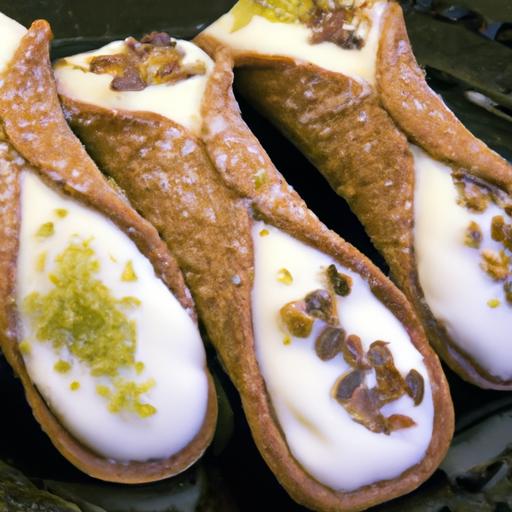

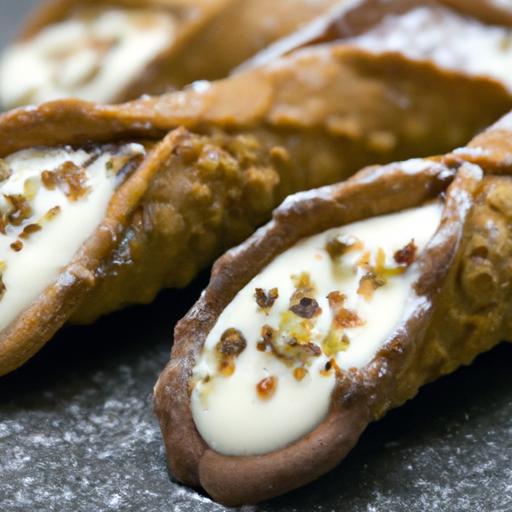
Nestled in the sun-drenched landscapes of Italy’s southernmost island, Sicilian cannoli embody a culinary tradition that marries crisp texture with rich, creamy indulgence. These iconic pastries, with their golden, crunchy shells embracing luscious ricotta filling, are far more than just a sweet treat-they are edible stories whispered through generations. Originating from Sicily’s vibrant markets and festive celebrations, cannoli have transcended their humble beginnings to become a symbol of Italian artistry and passion. In this article,we delve into the origins,craftsmanship,and cultural significance of Sicilian cannoli,inviting you to savor the crispy delight that has captured hearts around the world.
Sicilian Cannoli weave together centuries of history and culinary artistry, embodying Italy’s vibrant culture in every crisp, creamy bite. This iconic Sicilian pastry originated in the island’s fertile lands, crafted originally as a celebratory treat during Carnival season.Its distinctive tubular shell, fried to golden perfection, encloses a luscious filling that tells tales of family, tradition, and indulgence. The charm of sicilian Cannoli lies not only in its flavor but also in the craftsmanship behind the perfect crispy shell and the delicate balance of the filling, making it a timeless dessert cherished worldwide.
Prep and Cook Time
- Readiness: 30 minutes
- Chilling (for dough resting): 1 hour
- Frying and assembly: 25 minutes
- Total Time: Approximately 1 hour 55 minutes
Yield
Makes 12 Sicilian Cannoli shells filled and ready to enjoy, serving 6-8 people comfortably.
Difficulty Level
Intermediate-requires some finesse with dough handling and frying, but rewarding for both seasoned and adventurous home cooks.
Ingredients
- For the Shells:
- 2 cups all-purpose flour, sifted
- 2 tablespoons granulated sugar
- 1/4 teaspoon salt
- 3 tablespoons unsalted butter, chilled and cubed
- 1 large egg
- 1/2 cup dry white wine (such as Marsala or Pinot Grigio)
- Vegetable oil (for frying)
- For the Traditional Filling:
- 2 cups ricotta cheese, well-drained
- 3/4 cup powdered sugar, sifted
- 1 teaspoon vanilla extract
- 1/4 cup mini chocolate chips or finely chopped dark chocolate
- Zest of 1 orange (optional, for aromatic warmth)
- For Garnishes:
- Chopped pistachios
- Powdered sugar (for dusting)
- Candied cherries or candied orange peel
Instructions
- Prepare the Dough: In a large bowl, combine the sifted flour, granulated sugar, and salt. cut in the chilled butter with your fingers or a pastry blender until the mixture resembles coarse crumbs.
- Add the egg and slowly stir in the dry white wine. Knead gently until a smooth dough forms; if too sticky, add light dustings of flour. wrap in plastic and chill for 1 hour to relax the gluten.
- Roll and Cut Shells: On a lightly floured surface, roll the dough out to about 1/8-inch thickness. Using a 4-inch round cutter, cut out circles.Wrap each circle tightly around a metal cannoli tube, sealing edges gently with a bit of water.
- Fry the Shells: heat vegetable oil in a deep pan to 350°F (175°C). Fry the wrapped dough circles in batches until golden and crisp, about 2-3 minutes per side. Drain on paper towels, cool slightly, then carefully slide shells off the tubes.
- Make the Filling: In a mixing bowl, beat the ricotta cheese with powdered sugar and vanilla extract until smooth and creamy. Fold in the chocolate chips and orange zest gently.
- Fill the Cannoli: Using a piping bag or spoon, fill the shells right before serving to keep them crisp.Fill from both ends for a full-bodied look, stopping about 1/4 inch from each edge to avoid fillings spilling out.
- finish and Garnish: Dip the exposed ends into chopped pistachios or place candied fruit pieces on each end. Dust with powdered sugar for that classic Sicilian finish.
Tips for Success and Variations
- Dough Hydration: Wine helps create a tender yet crispy shell; substitute with dry sherry or beer for subtle flavor twists.
- Ricotta Drainage: Use well-drained ricotta to avoid watery fillings, which can soften shells prematurely.
- Filling Innovations: Try mascarpone and honey for a richer filling or infuse ricotta with cinnamon and crushed nuts for a spiced variation.
- Make-Ahead: Shells can be fried and stored airtight for up to 2 days; fill only before serving.
- Frying Safety: Maintain consistent oil temperature to ensure uniform crispiness and avoid greasy shells.
Serving Suggestions
Present Sicilian Cannoli on a rustic wooden board or a classic ceramic platter emphasizing their golden shells and colorful garnishes. Pair with a rich espresso or a chilled glass of Marsala wine for a truly authentic Sicilian experience. For an eye-catching display, alternate traditional and modern fillings – like pistachio cream or ricotta with candied pumpkin – to surprise and delight guests. A light dusting of powdered sugar sets off the contrast beautifully while enhancing the inviting aroma.
| Nutrient | Per Serving (2 Cannoli) |
|---|---|
| Calories | 350 kcal |
| Protein | 8 g |
| Carbohydrates | 38 g |
| Fat | 18 g |

Discover more inspired Italian desserts in our comprehensive guide to Italian sweets. For an academic dive into Sicilian culinary traditions, visit the Sicilian Historical Society.
Q&A
Q&A: Sicilian cannoli – A Crispy Delight from Italy’s heart
Q1: What exactly is a Sicilian cannoli?
A1: Imagine the perfect marriage of crunchy and creamy – that’s a Sicilian cannoli in a nutshell. It’s a traditional Italian pastry from Sicily, consisting of a crispy, fried dough shell shaped like a tube, generously filled with a sweet, velvety ricotta cheese cream. Often adorned with chocolate chips, candied fruit, or pistachios, each bite is a harmonious symphony of textures and flavors.
Q2: Where did cannoli originate?
A2: Cannoli’s roots run deep in Sicily, an island rich with cultural crossroads and culinary tales. Originally created during the Arab rule in Sicily, this dessert was a celebratory treat symbolizing fertility and abundance. Over centuries, it became a beloved staple, evolving into the iconic delicacy we savor today.
Q3: What makes the shell so crispy and special?
A3: The shell’s magic lies in its dough – a blend of flour, sugar, wine or vinegar, and a touch of cinnamon, rolled paper-thin and wrapped around metal tubes before frying. This method yields a shell that’s both crispy and light, with a subtle tang that perfectly complements the sweet filling.
Q4: What’s in the classic filling?
A4: The soul of a cannoli is its filling – traditionally made from fresh ricotta cheese, sweetened just enough with powdered sugar and often flavored with hints of vanilla or citrus zest. The ricotta is whipped to silky perfection, creating a creamy contrast to the crunchy shell. Sometimes mini chocolate chips or chopped pistachios mingle within the filling, adding bursts of flavor.
Q5: Are there regional variations of cannoli within Sicily?
A5: Absolutely! While the classic ricotta-filled shell is king, Sicilian towns add their own flair. In some areas, the ricotta is blended with mascarpone for extra richness, or infused with flavors like cinnamon or orange blossom. Toppings also vary – from a sprinkle of dusted sugar to vibrant candied fruits or finely chopped pistachios, each variation tells a local story.
Q6: How is a Sicilian cannoli best enjoyed?
A6: For the freshest experience, cannoli should be filled just before serving to keep the shell crisp. Pair it with an espresso or a sweet Sicilian wine like Marsala to highlight the pastry’s sweet, creamy notes. Whether as a festive celebration treat or a simple afternoon indulgence, eating a cannoli is like taking a bite out of Sicilian sunshine.
Q7: Can I make authentic Sicilian cannoli at home?
A7: Yes,but it takes patience and love. Crafting the perfect shell requires mastering the frying technique, and the filling demands fresh, high-quality ricotta. With a little practice, you can recreate this crunchy, creamy masterpiece in your own kitchen – transporting your taste buds straight to Italy’s heart.
Q8: Why do Sicilian cannoli continue to captivate dessert lovers worldwide?
A8: Beyond their irresistible taste, cannoli embody a cultural legacy of Sicily - a blend of history, tradition, and artistry wrapped in every crispy shell and luscious filling. This timeless treat invites us to savor not just flavor, but a sweet story centuries in the making.
closing Remarks
In the grand tapestry of Italian cuisine, Sicilian cannoli stand out as a shimmering thread of sweetness and tradition. Each crispy shell, lovingly filled with creamy ricotta, tells a story of regional pride, centuries-old recipes, and the joyous celebration of flavor. Whether enjoyed on a sunlit Sicilian piazza or crafted carefully in your own kitchen, these delightful pastries invite you to savor not just a dessert, but a rich cultural heritage. So next time you bite into a cannolo,remember-you’re tasting more than a treat; you’re experiencing a crunchy,creamy piece of Italy’s heart.