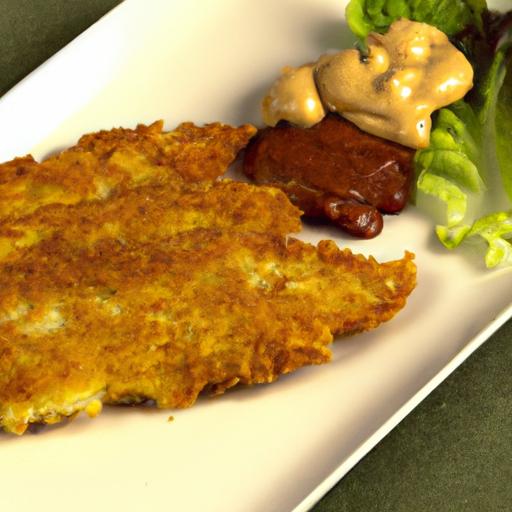

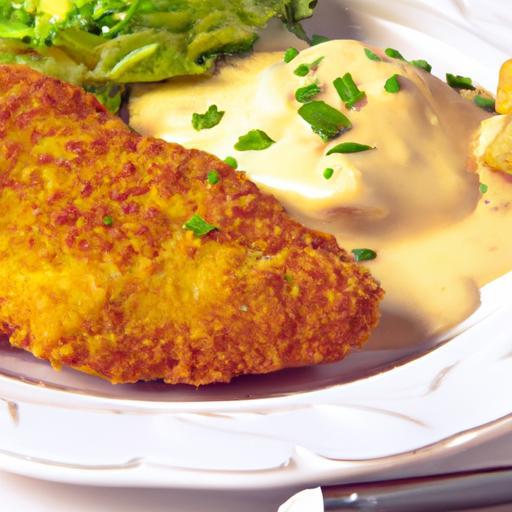
There’s a certain magic in that first bite-delicate, golden, and irresistibly crispy-that transcends generations and borders alike.Wiener Schnitzel, the beloved Austrian classic, is more than just a dish; its a culinary emblem of tradition, craftsmanship, and comfort. As you crunch into its perfectly breaded exterior,you’re not just tasting a meal-you’re savoring centuries of history,culture,and timeless technique. Join us as we dive into the story behind this iconic schnitzel, exploring what makes it an enduring favourite on tables around the world.
Crunch into Tradition: The Timeless Classic Wiener Schnitzel is more than just a dish-it’s a culinary journey steeped in history and culture. Originating in austria, the Wiener Schnitzel epitomizes the elegance of austrian cuisine with its delicate veal cutlet, masterfully breaded to achieve that iconic, irresistible crunch. This recipe invites you to explore the authentic techniques passed down through generations, ensuring every bite tells the story of tradition and taste.
prep and Cook Time
Planning: 20 minutes | Cooking: 10 minutes | Total: 30 minutes
Yield
Serves 4 generous portions
Difficulty Level
Medium – precision in breading and frying is key to perfection.
Ingredients
- 4 veal cutlets (about 150g / 5 ounces each), pounded thin (approx. 1/4 inch)
- 1 cup all-purpose flour, sifted
- 2 large eggs, lightly beaten
- 1 1/2 cups dry breadcrumbs (preferably fresh, fine crumb)
- Salt and freshly ground black pepper, to taste
- 1/2 cup clarified butter (or a neutral oil blend)
- 1 lemon, cut into wedges
- Fresh parsley, finely chopped for garnish (optional)
Instructions
- Prepare the veal: Place each veal cutlet between two sheets of plastic wrap.Using a meat mallet, gently pound to about 1/4 inch thickness for tender, even cooking. Season both sides lightly with salt and pepper.
- Set up your breading station: Arrange three shallow dishes in a row-one with flour, one with beaten eggs, and one with breadcrumbs. The classic technique is key: dry, wet, dry to form that signature crisp crust.
- Bread the cutlets: dredge each cutlet thoroughly in flour, shaking off excess. Dip into the egg wash, letting any drips fall back into the bowl. coat generously with breadcrumbs-press lightly but do not compact; this keeps the crust light and airy.
- Heat the fat: In a large skillet, warm the clarified butter over medium heat.It should shimmer but not smoke-around 160-170°C (320-340°F). Clarified butter gives that traditional nutty flavor and superior browning.
- Fry the schnitzel: Carefully lay the breaded cutlets in the pan, frying in batches if needed to avoid overcrowding. Cook 3-4 minutes per side, or until deeply golden brown and the veal is tender. Turn gently with a spatula to preserve the crust.
- Drain and rest: Transfer schnitzels to a paper towel-lined plate to soak up excess fat. Rest for 2 minutes before serving to retain juices.
- Garnish and serve: Plate schnitzels alongside fresh lemon wedges and sprinkle with chopped parsley for a burst of color and freshness.
Chef’s Tips for success
- Use fresh breadcrumbs when possible; they yield a more delicate crunch than dry, store-bought versions.
- Maintain the oil temperature; too hot, and the crust burns before the meat cooks; too cool, and the schnitzel turns greasy.
- If veal is unavailable, swap for thinly pounded pork loin, but label the dish accordingly to honor tradition.
- For the fluffiest crust, avoid pressing breadcrumbs into the meat-just a light coating is perfect.
- Prep schnitzels up to breading one day ahead, cover tightly, and refrigerate. Fry fresh before serving.
Serving Suggestions and Pairings
The true Wiener Schnitzel experience blossoms when served traditionally. accompany with a crisp potato salad dressed lightly with vinegar and fresh herbs, or creamy cucumber salad with dill. Classic side dishes like lingonberry jam add a gentle sweetness that balances the savory crunch. A wedge of lemon is essential-squeeze generously over just before eating to cut through the richness.
Pair the dish with an Austrian Grüner Veltliner or a dry Riesling to enhance the nuanced flavor profile, or opt for a sparkling mineral water to cleanse the palate between bites.
| nutrient | Per Serving |
|---|---|
| Calories | 450 kcal |
| protein | 35g |
| Carbohydrates | 30g |
| Fat | 20g |

For a detailed exploration of traditional Austrian side dishes, check our Austrian Potato Salad Recipe. To delve further into the rich heritage of Wiener Schnitzel, visit the official history page at Austria Tourism: Wiener Schnitzel.
Q&A
Q&A: Crunch into Tradition – The Timeless Classic Wiener Schnitzel
Q1: What exactly is Wiener Schnitzel?
A1: Wiener Schnitzel is a quintessential Austrian dish featuring a thinly pounded veal cutlet, breaded and fried to golden, crispy perfection. Its name literally means “Viennese cutlet,” celebrating its origins in Vienna’s rich culinary heritage. The magic lies in its delicate crunch that crunches through to tender, juicy meat beneath.
Q2: How did Wiener Schnitzel become a cultural icon?
A2: Legend has it that this dish’s roots trace back to Vienna in the 19th century, where it quickly won hearts as a simple yet elegant meal. Its easy, crispy delight transcended social classes, becoming a staple at tables from humble homes to grand viennese cafes.Over time, Wiener Schnitzel evolved into a symbol of Austrian tradition and pride, embodying the artistry of turning modest ingredients into culinary gold.
Q3: What makes the breading on Wiener Schnitzel so special?
A3: The secret to that signature crunch lies in the classic three-step breading process: first, a dusting of flour, then a bath in beaten egg, and finally a delicate coating of fine breadcrumbs. This technique forms a crispy, golden crust that seals in the meat’s juices, creating a contrast of textures-the audible crunch and the succulent softness inside.
Q4: Can Wiener Schnitzel be made with meats other than veal?
A4: While traditional Wiener Schnitzel is made from veal, variations abound. Pork and chicken schnitzels offer accessible and budget-amiable alternatives that still honor the essence of the dish’s crispy delight. However, purists argue that nothing quite matches the tender flavor and texture veal provides-making it the timeless classic it is.
Q5: What are the traditional accompaniments for Wiener Schnitzel?
A5: Wiener Schnitzel is frequently enough served with a lemon wedge, whose zest cuts through the richness of the fried coating. Classic sides include potato salad, parsley potatoes, or lingonberry jam, which adds a subtle tartness to the plate. Together, these elements complement the schnitzel’s savory crunch, creating a harmonious balance of flavors.Q6: How can home cooks recreate the perfect Wiener Schnitzel crunch?
A6: The key is preparation and patience. Pound the meat thinly but evenly, chill it briefly before breading, and use fresh breadcrumbs for the crispiest crust. Fry at the right oil temperature-around 350°F (175°C)-to avoid sogginess or burning. drain on a rack instead of paper towels to keep the crust crisp. These steps help bring the authentic crunch of Vienna straight to your kitchen.
Q7: Why has Wiener Schnitzel endured as a culinary classic through centuries?
A7: Its enduring popularity lies in its simplicity elevated to mastery. Wiener Schnitzel demonstrates that humble ingredients, when treated with care and respect, transform into an unforgettable dish. It appeals to worldwide cravings: a satisfying crunch, tender meat, and comforting flavors. Its story is not just about food, but about tradition, cultural identity, and culinary artistry passed down through generations.
Dive into this crispy delight, and you’re not just tasting a meal-you’re crunching into tradition itself.
Wrapping Up
As the golden crust of a perfectly fried Wiener Schnitzel crunches beneath your fork, you’re not just savoring a dish-you’re tasting centuries of tradition, culture, and culinary craft melded into one iconic bite. This timeless classic continues to capture hearts and palates around the world, proving that some recipes are simply too flavorful to fade with time. Whether served with a slice of lemon,a dollop of lingonberry jam,or a side of potato salad,Wiener Schnitzel remains a crispy,comforting reminder that in the world of cuisine,heritage and flavor go hand in hand. So next time you take that satisfying bite,remember: you’re not just enjoying a meal-you’re crunching into history.