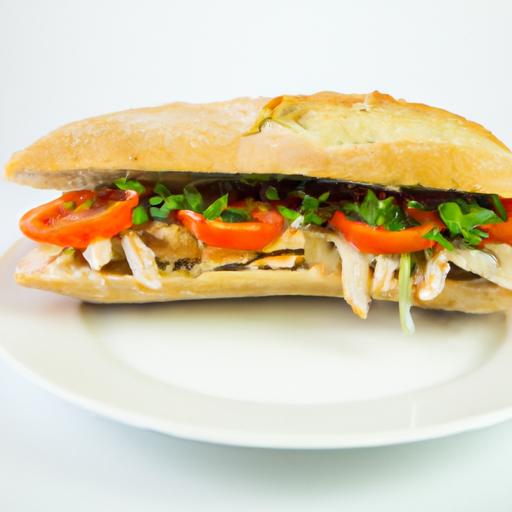

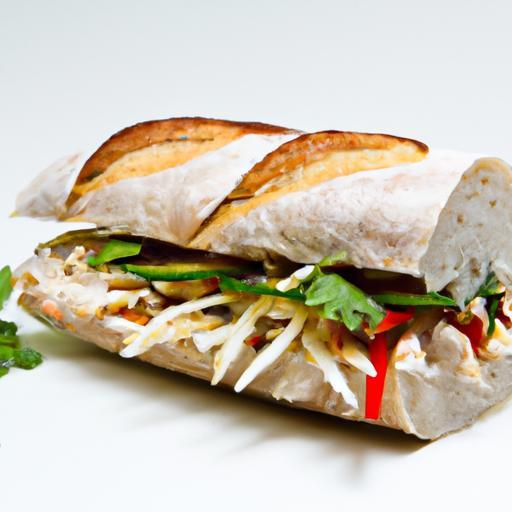
In a world were culinary trends rise and fall like fleeting whispers, the classic bánh mì sandwich stands resilient-an enduring testament to the art of simple, flavorful fusion. Born from the meeting of French colonial influence and Vietnamese ingenuity, this humble sandwich has transcended its origins to captivate palates across the globe. With its crisp baguette exterior, savory layers of marinated meats, fresh herbs, and a symphony of pickled vegetables, the bánh mì is more than just a meal; it’s a vibrant story wrapped in bread. Join us as we unravel the timeless charm of the classic bánh mì sandwich, exploring its rich history, irresistible flavors, and the cultural heartbeat that keeps this beloved creation eternally fresh.
The timeless charm of the classic Banh Mi sandwich lies not only in its perfect balance of textures and flavors but also in its rich cultural heritage. Originating from French colonial influence in Vietnam, this iconic sandwich marries the crispy, airy baguette with vibrant Vietnamese ingredients to create a culinary masterpiece loved worldwide. Each bite is a delightful experiance of smoky, savory, tangy, and fresh notes harmonizing beautifully.
Prep and Cook Time
Preparation: 20 minutes
Cooking: 10 minutes
Total Time: 30 minutes
Yield
Serves 4 peopel
Difficulty Level
Medium
Ingredients
- 4 French-style baguettes (preferably airy Vietnamese-style baguettes)
- 1/2 pound pork shoulder, thinly sliced or 4 pork meatballs (optional BBQ pork or pâté option)
- 4 tablespoons mayonnaise, preferably Japanese mayo for mild sweetness
- 1 small cucumber, thinly sliced
- 1 medium carrot, julienned and pickled
- 1/2 small daikon radish, julienned and pickled
- 2 tablespoons white vinegar (for pickling)
- 1 tablespoon sugar
- 1 teaspoon salt
- Fresh cilantro, a small handful
- 1 small jalapeño or Thai chili, thinly sliced (optional for heat)
- Soy sauce or Maggi seasoning, to taste
- Butter or oil for toasting
- Optional: pâté for authentic richness
Instructions
- Pickling the Vegetables: In a bowl, combine white vinegar, sugar, and salt until dissolved. Add julienned carrots and daikon radish. Let them soak for at least 15 minutes (longer for a deeper tang).
- Prepare the Protein: If using pork shoulder, marinate briefly with soy sauce and a pinch of sugar. Sauté in a hot pan with a touch of oil until cooked through and slightly caramelized, about 5-7 minutes. Alternatively, slice pre-cooked BBQ pork or prepare meatballs ahead.
- Toast the Baguettes: Slice the baguettes lengthwise, leaving a hinge. Lightly brush inside with butter or oil and toast in a pan or oven until golden and crisp but still tender inside.
- Assemble the Sandwich: Spread a generous layer of mayonnaise inside each warm baguette. Layer the cooked pork or meatballs first, then add pickled vegetables, fresh cucumber slices, cilantro sprigs, and thin chili slices if desired.
- Final Touches: Drizzle a little soy sauce or Maggi seasoning for umami depth.Close the sandwich gently but firmly,then slice diagonally for a classic presentation.
Tips for Success
- Authenticity: Use a light, airy baguette, which you can find at Asian bakeries or make at home. The crust-to-soft-ratio is crucial for the classic texture.
- Pickling: Don’t rush the pickling process-let veggies rest for at least 15 minutes, or even overnight, to develop that signature tang.
- Protein Choices: Experiment with grilled chicken, tofu, or even smoked salmon for creative twists without compromising on flavor.
- Make-Ahead: Prepare pickled veggies and meats in advance for a quick assembly during busy days.
- Heat Level: Adjust chili inclusion to taste; fresh jalapeños bring a crisp heat,while Thai chilies add fiery punch.
Serving Suggestions
Present your Banh Mi sandwich on a rustic wooden board accompanied by lime wedges and extra fresh cilantro for a burst of color and zest. Pair it with a light Asian iced tea or a tangy cucumber soda. For garnish, sprinkle some toasted sesame seeds on the mayo or serve with a side of crispy sweet potato fries seasoned with five-spice powder for an addictive contrast.
| Nutrient | Per Serving |
|---|---|
| Calories | 420 kcal |
| Protein | 22 g |
| Carbohydrates | 45 g |
| Fat | 12 g |
Where to Experience Authentic Banh Mi Flavor
To savor the essence of this sandwich beyond your kitchen, explore renowned eateries from Hanoi’s bustling street food stalls to multicultural hubs such as Little Saigon in Orange County, USA. Notably, Melbourne and Paris also boast remarkable Banh Mi joints where tradition meets innovation.For a deeper dive, visit Vietnam’s official tourism site to discover culinary maps guiding travelers to iconic Banh Mi experiences.
Craving more Vietnamese delights? Check out our Authentic pho Recipe for another timeless staple that beautifully complements your culinary journey with Banh Mi.

Q&A
Q&A: The Timeless Charm of the Classic Banh Mi Sandwich
Q: What exactly is a Banh Mi, and why is it considered iconic?
A: At its heart, the Banh mi is a delicious marriage of French and Vietnamese culinary traditions. This iconic sandwich features a crispy, airy baguette filled with a harmonious blend of savory meats, fresh herbs, pickled vegetables, and spicy condiments. Its charm lies not only in its complex flavors but also in its cultural story-a symbol of Vietnam’s colonial past reimagined into somthing uniquely vibrant and satisfying.
Q: How did the Banh Mi come to be a beloved street food staple?
A: Born in the bustling streets of Saigon during the early 20th century, the Banh Mi evolved when French baguettes met Vietnamese ingredients. Local vendors adapted the French bread by stuffing it with traditional Vietnamese flavors-pork belly, pâté, cilantro, daikon, and more.Its portability and perfect balance of tastes made it an instant favorite among busy workers and families, solidifying its place as a cherished everyday meal.
Q: What ingredients are essential to an authentic Banh Mi?
A: While variations abound, the classic Banh Mi typically includes a light, crisp baguette; a spread of creamy pork liver pâté; savory slices of grilled or roasted pork; pickled carrots and daikon for tang and crunch; fresh cilantro; sliced cucumber; thinly sliced chilies for heat; and a smear of mayonnaise or butter. Each component plays a vital role in creating that symphony of textures and flavors.
Q: Why does the bread play such a crucial role in the Banh Mi experience?
A: The baguette is the canvas on which the Banh Mi’s flavors are painted. But unlike a standard French baguette, the Vietnamese version is lighter, airier, with a paper-thin crust that crackles delightfully at every bite. This contrast between soft interior and crisp exterior makes the sandwich uniquely pleasurable, preventing sogginess and ensuring every ingredient shines.
Q: Can the Banh Mi be adapted for different diets without losing its essence?
A: Absolutely! The Banh Mi is incredibly versatile. Vegetarians can enjoy versions stuffed with tofu or mushrooms, enhanced with the traditional herbs and pickles. For those avoiding pork, chicken or beef variants are common. The essence-freshness, crunch, balance of sweet, sour, salty, and spicy-remains intact. This adaptability is part of what keeps the Banh Mi timeless and universally loved.
Q: What makes the Banh Mi a global culinary ambassador for Vietnamese cuisine?
A: The Banh mi encapsulates Vietnam’s rich history and vibrant flavors in a portable, approachable form. Its rise in international food scenes has introduced countless people to Vietnamese ingredients and techniques, sparking curiosity and appreciation for the country’s culinary heritage. In every crispy bite, the Banh mi tells a story of resilience, fusion, and enduring taste.
Q: How can someone enjoy the full cultural experience of a Banh Mi at home?
A: To truly savor a Banh Mi at home, start with a fresh, light baguette.Then balance your fillings thoughtfully-think savory meat or tofu, crisp pickles, fragrant herbs, and a touch of heat. Don’t rush the assembly; layering ingredients with care ensures the classic harmony of flavors. pair it with the stories behind each component-this transforms a simple sandwich into a delicious cultural journey.
In Conclusion
as the last bite of a classic bánh mì lingers on the palate, it’s clear that this humble sandwich is far more than just a meal-it’s a vibrant tapestry of history, culture, and flavor woven together in a crusty baguette. From its French colonial roots to its colorful evolution on bustling Vietnamese streets, the bánh mì stands as a delicious testament to culinary fusion and timeless appeal. Whether enjoyed on a busy corner or recreated in a modern kitchen, this sandwich continues to capture hearts and taste buds alike, reminding us that sometimes, the simplest combinations carry the most enduring charm.