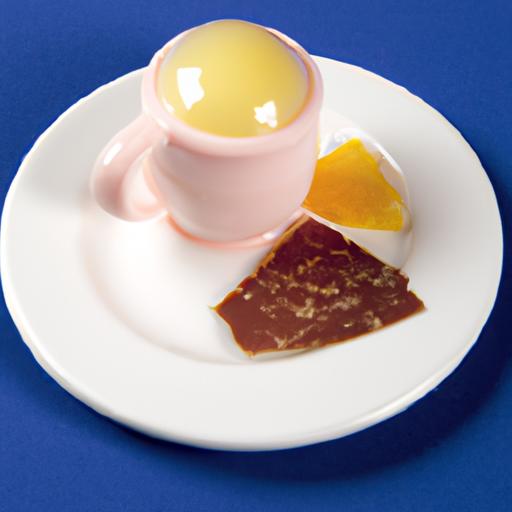

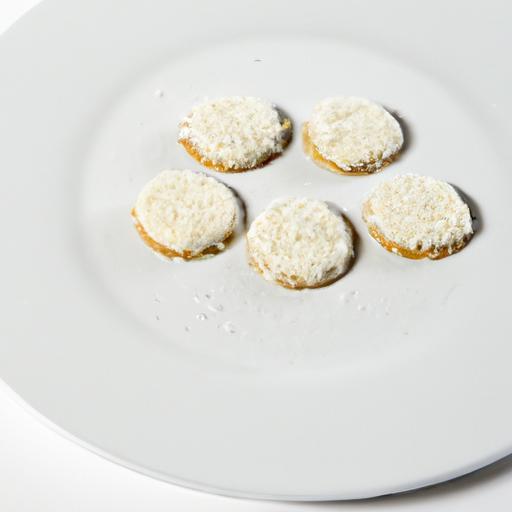
Beneath its delicate, smooth surface lies a world of history and artistry - marzipan, teh enchanting almond confection that has captivated taste buds and imaginations for centuries. From royal courts to humble kitchens, marzipan has danced through time as both a symbol of luxury and a beloved sweet treat. In this article, we unravel the sweet story of marzipan’s origins, explore the masterful craftsmanship behind its creation, and celebrate the magical allure that continues to make this almond delight a timeless indulgence around the globe. Join us on a journey where history and confectionery artistry blend into one irresistible bite.
Marzipan Magic: The Sweet History and Art of Almond Treats
Marzipan Magic begins with a rich tapestry of history and technique, weaving together centuries-old traditions from Mediterranean courts to bustling European markets. This almond confectionery, beloved worldwide for its tender texture and sweet, nutty flavor, invites home cooks to craft edible masterpieces that celebrate both craft and imagination.
Prep and Cook Time
- Preparation: 15 minutes
- Resting Time: 30 minutes (optional for flavor melding)
- Total Time: 45 minutes
Yield
Approximately 400 grams (~14 oz) of marzipan, perfect for molding, baking, or decorating multiple desserts.
Difficulty Level
Medium – recommended for intermediate kitchen enthusiasts pleasant with candy and dough-like consistencies.
Ingredients
- 200 g blanched almonds (or almond flour for a finer texture)
- 200 g powdered sugar, sifted
- 1 large egg white (fresh, room temperature)
- 1 tsp pure almond extract (optional, for intensified aroma)
- 1 tbsp rose water or lemon juice (optional, adds floral or citrus notes)
- Granulated sugar for dusting (optional)
Instructions
- Blanch and Peel the Almonds: If using whole almonds, bring water to a boil and blanch the almonds for 1 minute. Drain, rinse with cold water, then gently squeeze to remove skins. Let dry wholly on a clean towel.
- Grind the Almonds: Using a food processor, pulse the almonds in small batches until fine but not oily-this prevents releasing excess almond oil, which can make marzipan greasy.
- Sift and Combine: In a large bowl, sift together the powdered sugar and ground almonds to ensure a uniform texture.
- Add Wet Ingredients: Slowly incorporate the egg white, followed by almond extract and your choice of rose water or lemon juice. Mix gently but thoroughly to create a smooth, pliable dough. If too sticky, sprinkle with a bit more powdered sugar; if too dry, add a few drops of water.
- Knead the Marzipan: turn the dough out onto a clean surface dusted with powdered sugar and knead briefly until smooth and elastic. Avoid over-kneading as this can cause it to toughen.
- Rest and Refrigerate: Wrap the marzipan tightly in plastic wrap and refrigerate for at least 30 minutes, allowing flavors to meld and texture to firm.
- Molding & Decorating: when ready,roll out marzipan on a powdered sugar-dusted board to desired thickness for shaping or covering cakes. To decorate, use food-safe dyes, nuts, or edible gold leaf for stunning visual effects.
- Baking Tips: Marzipan can be baked lightly atop tarts or in cookies; bake at 160°C (320°F) for 12-15 minutes and watch closely to avoid browning.
Tips for Success
- Almond Quality: Fresh,blanched almonds or high-quality almond flour are essential for authentic flavor and smooth texture.
- Egg White Safety: Use pasteurized egg whites if concerned about raw egg for safer consumption, especially in no-bake recipes.
- Customizing Flavor: Experiment with orange blossom water, vanilla, or a splash of liqueur such as Amaretto for nuanced profiles.
- Storage: Store homemade marzipan tightly wrapped in plastic wrap inside an airtight container; it keeps for up to 2 weeks refrigerated or 3 months frozen.
- Coloring: Use gel food color for vibrant hues without affecting marzipan’s consistency.
Serving Suggestions
Marzipan is a versatile sweet companion, perfect shaped into miniature fruits or festive decorations atop cakes and cookies. Serve alongside fresh berries, dipped in dark chocolate for a balance of sweetness and bitterness, or layered within pastries for a luscious almond surprise. To visually enhance, dust with edible gold shimmer or frost lightly with a sugar glaze for glossy accents.

| Nutrient | Per 50g Serving |
|---|---|
| calories | 210 kcal |
| Protein | 4 g |
| Carbohydrates | 23 g |
| Fat | 11 g |
For a deeper dive into almond-based confections, explore our Almond Dessert Recipes. additionally, for historical context of almond cultivation and marzipan’s journey, visit Encyclopedia Britannica’s Marzipan article.
Q&A
Q&A: Marzipan Magic – The Sweet history and Art of Almond Treats
Q1: What exactly is marzipan, and why has it captivated taste buds for centuries?
Marzipan is a luscious confection crafted from finely ground almonds blended with sugar or honey, sometimes enriched with rosewater or almond extract. Its silky texture and delicate sweetness have enchanted palates across cultures, serving as both a humble candy and a regal centerpiece. The magic lies in its simplicity and versatility-each bite offers a nutty richness wrapped in melt-in-your-mouth softness.
Q2: Where and when did marzipan first make its grand debut?
The origins of marzipan are cloaked in delicious mystery, but historians often point to the Middle East or Mediterranean regions around the Middle ages.Some tales trace its roots to ancient Persia, while others credit European monasteries in the 8th or 9th centuries for perfecting the recipe. By the Renaissance,marzipan had blossomed into an art form,gracing royal banquets and wedding feasts across Europe.
Q3: why is marzipan called the “king of sweets” in some cultures?
In many European traditions, marzipan earned noble status thanks to its luxurious ingredients-almonds were once a costly treasure, and sugar a precious luxury. This combination made marzipan a symbol of prosperity and celebration. Royal courts adored it for its ability to be shaped into intricate sculptures, from fruits and animals to miniature figurines, making it a feast for both the eyes and the palate.
Q4: How does marzipan differ from almond paste or nougat?
While all three contain almonds, their textures and uses vary. Almond paste is coarser and more dough-like, often used as a baking ingredient; marzipan is smoother and pliable, ideal for sculpting or candying; nougat is chewy and aerated, sometimes studded with whole nuts. Think of marzipan as the silky sibling with a flair for artistry.
Q5: What artistic traditions surround marzipan crafting?
from Germany’s Lübeck delicacies to Italy’s Palermo marzipan fruits, marzipan artisans transform this sweet dough into edible masterpieces. The practice involves carefully molding, coloring with natural dyes, and sometimes painting details to imitate real fruits, vegetables, or whimsical creatures. These creations aren’t just desserts-they’re storytelling in sugar.
Q6: are there any cultural festivals where marzipan shines?
Absolutely! In many European towns, marzipan is the star of seasonal festivals and markets. Such as, during Christmas in Scandinavia, marzipan treats filled with spiced fillings adorn tables. In Sicily, “Frutta martorana”-marzipan crafted into vivid fruit replicas-takes center stage during All Saints’ Day. These celebrations honor tradition, craftsmanship, and communal joy through the shared love of almonds and sugar.
Q7: Can marzipan be enjoyed outside of sweets and confections?
Indeed it can. Beyond candy, marzipan serves as a luscious layer in cakes, a charming cake covering, and sometimes even a surprisingly delightful ingredient in savory dishes. Chefs have experimented by pairing marzipan’s nutty sweetness with cheeses or using it to sweeten salads and pâtés, proving its magic extends far beyond the candy jar.
Q8: How can someone new to marzipan best experience its magic?
Start with small bites-try a classic marzipan loaf or a box of delicately crafted marzipan fruits from a reputable maker. As you savor its melt-in-the-mouth texture and almond aroma, consider exploring recipes that incorporate marzipan, from cookies to glazed cakes. and if possible, watch or try your hand at shaping marzipan; the tactile experience reveals the true enchantment behind this age-old treat.
Diving into marzipan is like unwrapping a centuries-old secret-each morsel carries the warmth of history, the whisper of artisan hands, and the timeless charm of almonds transformed by a touch of sweetness and art.
To Conclude
As we unwrap the layers of marzipan’s rich history and artistry, it becomes clear that this almond treat is far more than just a confection-it is a delicious tapestry woven through centuries of culture, craftsmanship, and celebration. From royal courts to festive tables, marzipan’s sweet allure continues to enchant palates and inspire creativity around the world.So the next time you savor its silky texture and delicate flavor, remember you’re tasting a piece of magic that has been lovingly crafted and cherished for generations-truly a bite of history wrapped in almond perfection.