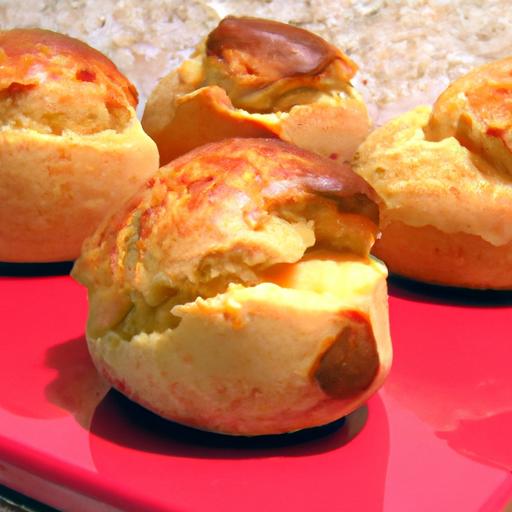

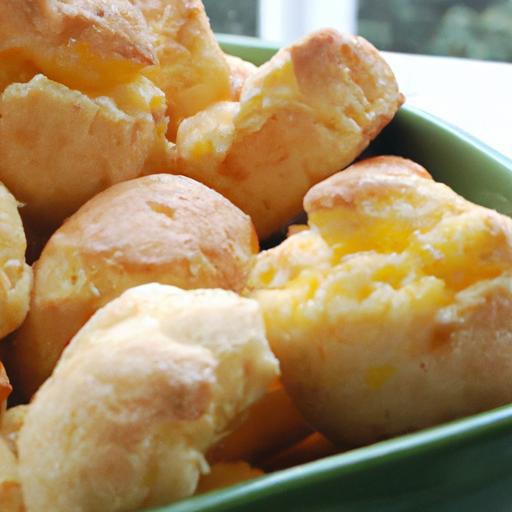
Golden, pillowy, and irresistibly cheesy-Brazil’s beloved pão de queijo captures hearts and palates with every bite.This humble bread, born from a blend of cassava starch and rich cheese, is more than just a snack; it’s a cultural icon that tells a story of tradition, ingenuity, and regional flavor. From bustling city cafés to quiet countryside kitchens, pão de queijo weaves together the past and present of Brazilian cuisine in a way that’s both comforting and captivating. Join us as we journey through the origins,ingredients,and mouthwatering magic behind this cheesy delight,uncovering why pão de queijo has earned its place as a treasured symbol of Brazil’s culinary heritage.
Cheesy Delight: Exploring Brazil’s Pão de Queijo Bread
Cheesy Delight: Exploring Brazil’s Pão de Queijo Bread invites you into the heart of Brazilian culinary tradition with a treat that is both simple and extraordinary. This naturally gluten-free cheese bread has captured the soul of Brazil’s kitchens for centuries, blending the magic of tapioca flour with rich cheese to create a texture that is uniquely chewy, airy, and irresistibly savory. My first encounter with pão de queijo was in a bustling São Paulo café, where the warm, tender rolls instantly won me over – a testament to their enduring charm and cultural significance.
Origins and Cultural Significance of Pão de Queijo in Brazilian Cuisine
Dating back to the 18th century in the countryside of Minas Gerais, pão de queijo finds its roots in the resourcefulness of Brazilian farmers who used locally available ingredients like cassava (tapioca) flour, eggs, and cheese to make nourishing bread. Often enjoyed during breakfast or afternoon coffee breaks (the beloved cafézinho moment), these delightful rolls have transcended regional boundaries, becoming a national symbol of hospitality and comfort. traditionally,they celebrate the bounty of Minas Gerais cheeses – especially queijo Minas,a fresh,mild cheese that complements the chewy tapioca perfectly. Today,pão de queijo is more than just bread; it’s a testament to Brazil’s rich agricultural heritage and a warm invitation to share joy over food.
The Magic of Tapioca flour and Cheese Blends in Achieving Perfect Texture
What makes pão de queijo truly special is the alchemy between tapioca flour and cheese. Tapioca flour, derived from cassava root, is naturally gluten-free and gelatinizes beautifully when heated, giving pão de queijo its characteristic stretchy, chewy interior and golden, crispy crust. When combined with fresh grated cheese,especially varieties like mozzarella,Parmesan,or the iconic queijo Minas,it forms a delicate balance of creaminess and elasticity. The key is in the proportions and the method – boiling milk and oil infuses moisture into the dry starch before incorporating eggs and cheese, creating a dough that puffs up tenderly in the oven while holding its signature chewy bite.
Prep and Cook Time
- Prep Time: 15 minutes
- Cook Time: 25 minutes
- Total Time: 40 minutes
Yield
Approximately 20 small rolls (serves 6-8)
Difficulty Level
Easy – Perfect for bakers of all skill levels
Ingredients
- 1 cup whole milk
- 1/2 cup vegetable oil
- 1 teaspoon kosher salt
- 2 cups tapioca flour
- 2 large eggs
- 1 1/2 cups freshly grated Parmesan cheese
- 1 cup shredded mozzarella cheese
Step by Step Guide to Baking authentic Pão de Queijo at Home
- Preheat your oven to 375°F (190°C). Line two baking sheets with parchment paper or a silicone baking mat for easy cleanup.
- In a medium saucepan, combine the milk, vegetable oil, and salt. Bring to a gentle boil over medium heat, stirring occasionally. once it starts boiling,remove from heat immediately.
- Quickly add the tapioca flour to the hot milk mixture, stirring energetically with a wooden spoon until fully combined into a sticky, homogenous dough. This step is crucial – the residual heat cooks the starch, setting the base for the dough’s unique texture.
- Allow the dough to cool slightly for about 5 minutes. This prevents the eggs from cooking prematurely when added.
- Transfer the dough to a large mixing bowl or stand mixer. Beat in eggs one at a time, fully incorporating each before adding the next. The dough will look glossy and elastic.
- Fold in the grated Parmesan and mozzarella cheese until evenly distributed. The dough will be thick and sticky but soft enough to scoop or pipe.
- Using a tablespoon or small ice cream scoop, portion the dough into equal balls about 1 ½ inches in diameter. Place them spaced about 2 inches apart on the prepared baking sheets.
- Bake for 20-25 minutes until the rolls are puffed and golden on top.Avoid opening the oven door during baking to maintain optimal rising.
- Remove from oven and allow to cool for a few minutes. The aroma of baked cheese and warm tapioca is irresistible!
Chef’s Tips for Success
- Cheese choice: mix cheeses for complexity; substitute Parmesan with a sharper aged cheese for a bolder flavor.
- Dough consistency: The dough should be sticky but manageable. Adjust with a tablespoon of tapioca flour if too wet.
- Freezing dough balls: Freeze uncooked dough balls on a tray, then store in a zip-top bag. bake directly from frozen, just add a few more minutes.
- Oil alternatives: Butter can be used instead of vegetable oil for a richer flavor, melted before adding to milk.
- Serving warm: Pão de queijo is best enjoyed fresh out of the oven when the cheese is at its meltiest and the crust crisp.
Pairing Suggestions to Elevate Your Pão de Queijo Experience
to truly elevate your pão de queijo,pair these golden beauties with traditional Brazilian beverages like a bold cup of Brazilian coffee or a chilled glass of fresh fruit juice such as guava or passion fruit. for savory accompaniments, offer slices of cured meats, like prosciutto or copa, and serve a side of chimichurri or herb-infused olive oil for dipping. On cooler days, a hot bowl of Feijoada, Brazil’s iconic black bean stew, complements these cheese breads perfectly, creating a feast that surprises and delights at every bite.

| Nutrient | Per Serving (1 roll) |
|---|---|
| Calories | 110 kcal |
| Protein | 5 g |
| Carbohydrates | 10 g |
| Fat | 6 g |
Q&A
Q&A: Cheesy delight – Exploring Brazil’s Pão de Queijo Bread
Q: what exactly is Pão de queijo?
A: Pão de Queijo, literally “cheese bread” in Portuguese, is a beloved Brazilian snack that’s irresistibly chewy on the inside with a crisp, golden exterior. made primarily from tapioca flour and cheese, it’s naturally gluten-free and packs a savory punch that cheese lovers dream of.Q: Where does Pão de Queijo come from?
A: This cheesy delight hails from Brazil’s southeastern region, particularly Minas gerais. Its origins trace back to the 18th century, when indigenous ingredients like tapioca mingled with Portuguese culinary traditions, giving birth to this iconic treat.
Q: What makes Pão de queijo so unique compared to other cheese breads?
A: Unlike typical bread, Pão de Queijo uses tapioca starch rather of wheat flour, which gives it a springy, elastic texture that’s both airy and dense at once. Plus, the generous use of queijo minas, a fresh Brazilian cheese, infuses it with a distinctive tang and creaminess.Q: How is Pão de Queijo traditionally made?
A: The process is surprisingly simple yet magical. Tapioca starch is mixed with milk, oil, eggs, and heaps of cheese to form a sticky dough. Then, small balls are shaped and baked until puffed up and golden, forming that signature crusty shell with a molten cheesy center.
Q: Can Pão de Queijo be enjoyed any time of day?
A: Absolutely! Brazilians savor these cheesy bites for breakfast alongside coffee, as an afternoon snack, or even as a party appetizer.Their warm, comforting nature makes them perfect anytime you crave somthing cheesy and satisfying.Q: Are there variations of Pão de Queijo?
A: Yes! While the classic version sticks to queijo minas and tapioca, creative variations have emerged. Some include herbs, different cheeses like Parmesan or mozzarella, or even sweet twists with chocolate or guava paste. The possibilities are as endless as your creativity.
Q: Is Pão de Queijo easy to make at home?
A: Yes,and that’s part of the charm. With just a handful of ingredients and a bit of patience, home bakers worldwide are recreating this Brazilian favorite. Tapioca flour can be found in specialty stores or online, making it accessible beyond Brazil’s borders.
Q: Why has Pão de Queijo gained international popularity?
A: Its gluten-free nature, addictive cheesy flavor, and delightful texture have caught the attention of food lovers globally. Plus, as Brazilian cuisine shines on the world stage, Pão de Queijo stands out as an edible ambassador of culture and comfort.Q: What’s the best way to enjoy Pão de Queijo?
A: Hot out of the oven, when the cheese is melty and the crust is crisp, is simply divine. Pair it with a cup of strong Brazilian coffee or a refreshing juice. Whether dipped, stuffed, or enjoyed plain, it’s a bite bursting with culture and flavor.
Q: Any tips for first-timers wanting to try Pão de Queijo?
A: don’t be intimidated! Embrace the sticky dough and remember that the magic lies in the baking-the higher the oven temperature, the better the puff.And most importantly, savor every cheesy, chewy bite. It’s a small taste of Brazil’s heart and soul.
To Conclude
As the warm, golden crust of Brazil’s beloved pão de queijo melts delightfully with every bite, it’s clear that this humble cheese bread is much more than a simple snack-it’s a cultural emblem baked into the heart of Brazil’s culinary tradition. Whether enjoyed fresh from the oven in a bustling São Paulo café or recreated in kitchens far from its native land, pão de queijo invites us to savor the perfect marriage of texture, flavor, and history. So next time you crave a taste of something truly comforting and uniquely Brazilian, remember that a cheesy delight is just a bite away, ready to tell its story one chewy, cheesy morsel at a time.