
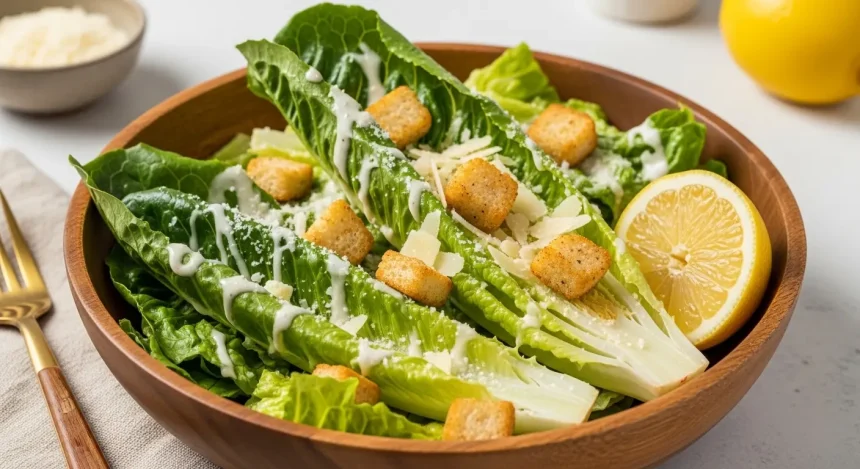
Crisp romaine leaves, tangy Caesar dressing, crunchy croutons-few salads are as universally beloved as the classic Caesar. But for those navigating the maze of gluten sensitivities and dietary restrictions, a simple Caesar can quickly become a puzzling question mark. Is this iconic salad truly safe to enjoy, or dose it hide hidden gluten traps beneath it’s creamy allure? In this article, we’ll unravel the ingredients and explore what makes a Caesar salad friend or foe to gluten-conscious diners, helping you savor every bite without the worry.
Caesar Salad & Gluten: What’s Safe for Your Diet?
Caesar Salad & Gluten: What’s Safe for Your Diet? is a question many gluten-conscious food lovers ask when craving this classic dish.This beloved salad, originally crafted by Italian-American restaurateur Caesar Cardini in the 1920s, has become a staple across the globe. Yet, despite its simple exterior-crisp romaine, creamy dressing, crunchy croutons-it harbors hidden gluten pitfalls that can derail a gluten-free regimen. Understanding gluten’s presence in Caesar salad ingredients and learning smart substitutions transforms this dish from a potential minefield into a safe and satisfying experience.
Prep and Cook Time
- Preparation: 15 minutes
- Cook Time: 10 minutes (for gluten-free croutons)
- Total Time: 25 minutes
yield
- Serves 4 people
Difficulty level
- Easy to Medium
Ingredients
- 1 large head Romaine lettuce, washed and chopped
- 3/4 cup gluten-free croutons (see notes for recipe)
- 1/2 cup grated Parmesan cheese
- 1 large egg yolk (pasteurized for safety)
- 2 tsp Dijon mustard
- 2 tbsp freshly squeezed lemon juice
- 2 cloves garlic, minced
- 6 anchovy fillets (optional, ensure gluten-free brand)
- 1/3 cup extra virgin olive oil
- 1 tbsp gluten-free Worcestershire sauce
- salt and freshly ground black pepper, to taste
Instructions
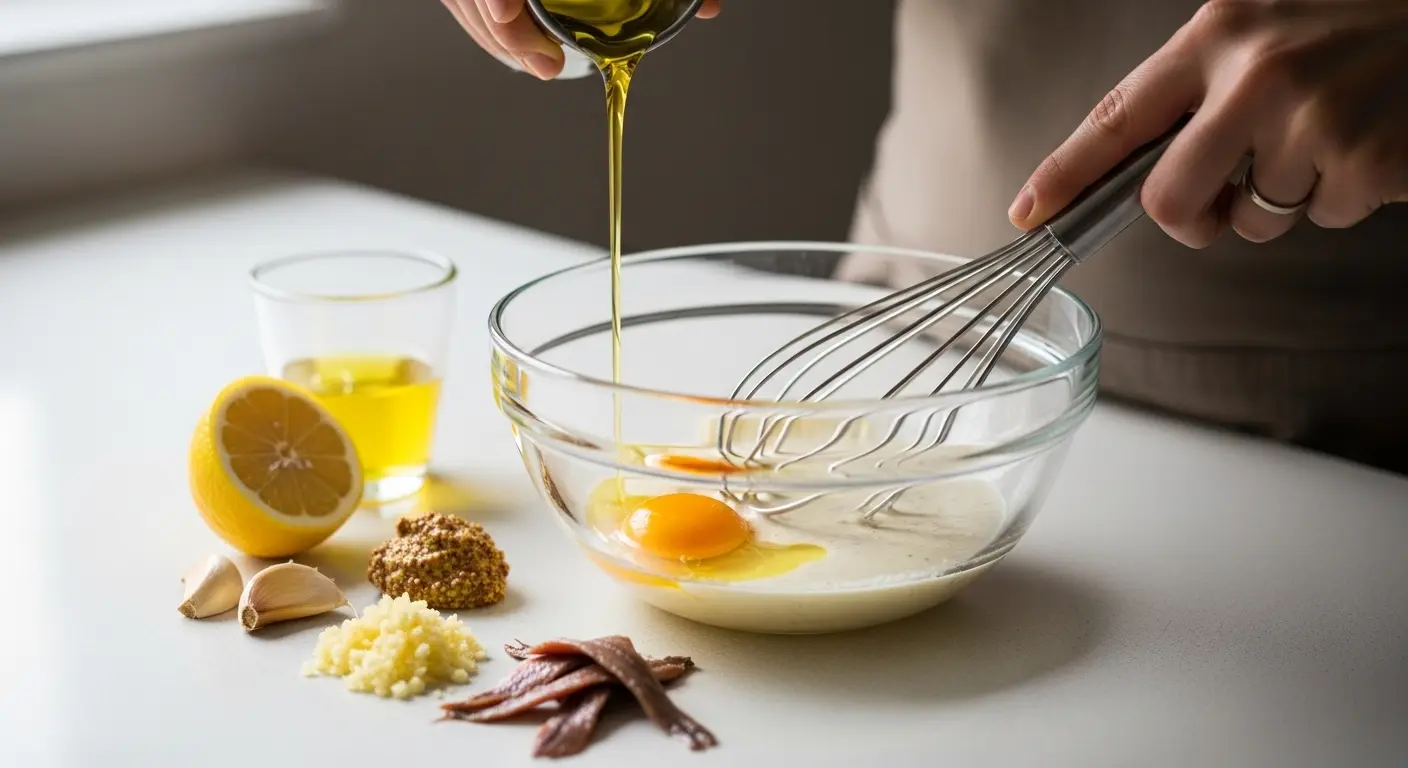
- Prepare the dressing: In a medium bowl, combine the egg yolk, Dijon mustard, and lemon juice. Whisk until creamy and smooth.
- Incorporate garlic and anchovies: Add minced garlic and finely mashed anchovy fillets to the mixture. Whisk again until evenly blended, creating the umami-rich base of your caesar dressing.
- Slowly drizzle in olive oil: While whisking continuously, pour in the olive oil gradually to emulsify the dressing into a luscious, thick consistency.
- Season: Stir in Worcestershire sauce, than season with salt and pepper to taste. Set aside.
- Prepare gluten-free croutons: Cube your favorite gluten-free bread and toss lightly in olive oil, salt, and garlic powder.Bake at 350°F (175°C) for 8-10 minutes until crispy and golden.
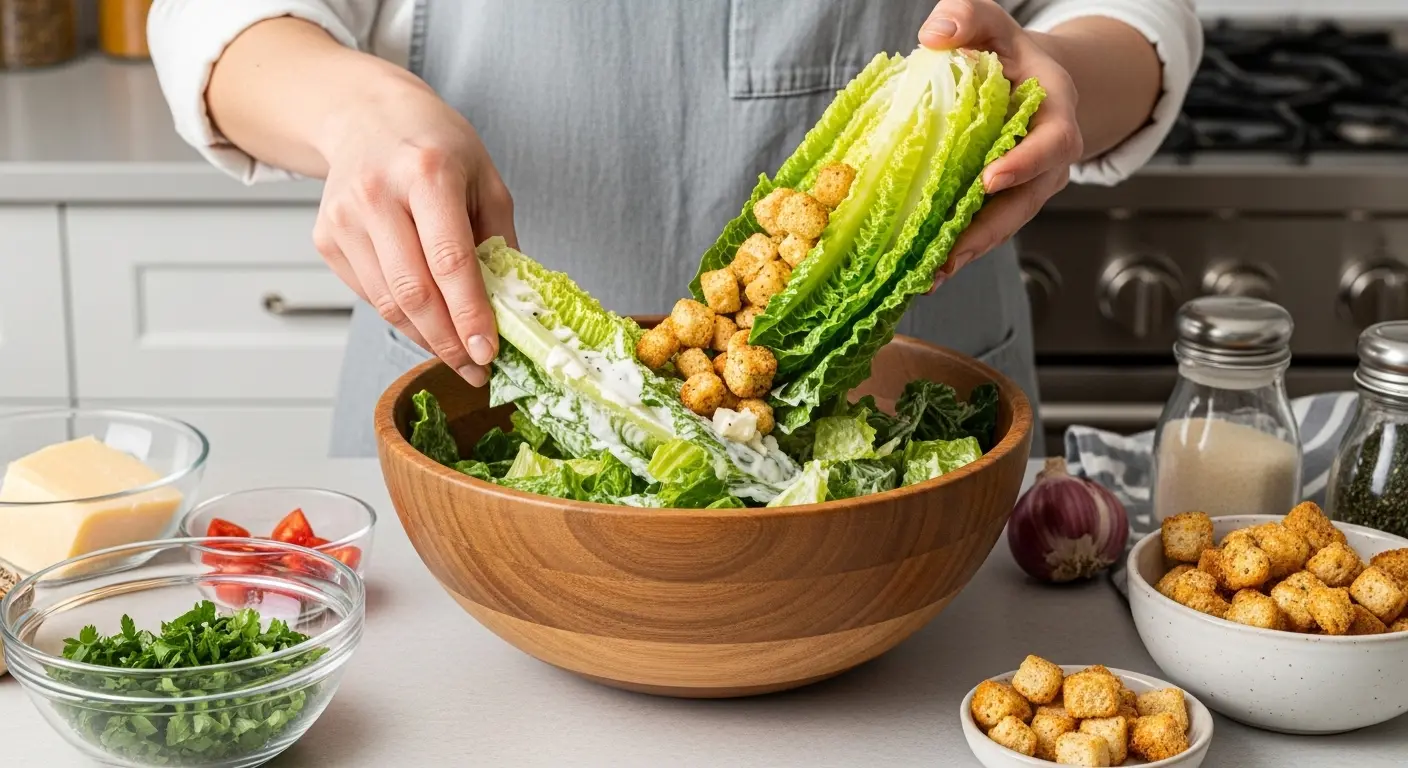
- Toss the salad: In a large salad bowl, combine chopped Romaine lettuce with your freshly made Caesar dressing. Toss gently to coat leaves evenly.
- Add cheese and croutons: Sprinkle Parmesan cheese over the salad, then fold in the crunchy gluten-free croutons.
- Serve immediately: Present in chilled bowls or a rustic wooden salad bowl for an inviting touch.
Chef’s notes: tips for Success
- Gluten in anchovies and Worcestershire sauce: While pure anchovies are gluten-free, many commercial brands add fillers or wheat-based thickeners. Always check labels or opt for certified gluten-free anchovies and Worcestershire sauces.
- Egg safety: Use pasteurized egg yolks or substitute with mayonnaise (ensure gluten-free) to avoid risks from raw eggs.
- Crouton creativity: Experiment with baking seasoned gluten-free pita or flatbread cubes for added texture and flavor.
- Dressing alternatives: For a dairy-free version, swap Parmesan with nutritional yeast and add a splash of gluten-free soy sauce for umami kick.
- Make-ahead dressing: Store dressing in an airtight jar in the fridge for up to 2 days.Shake well before use as natural separation occurs.
Serving Suggestions
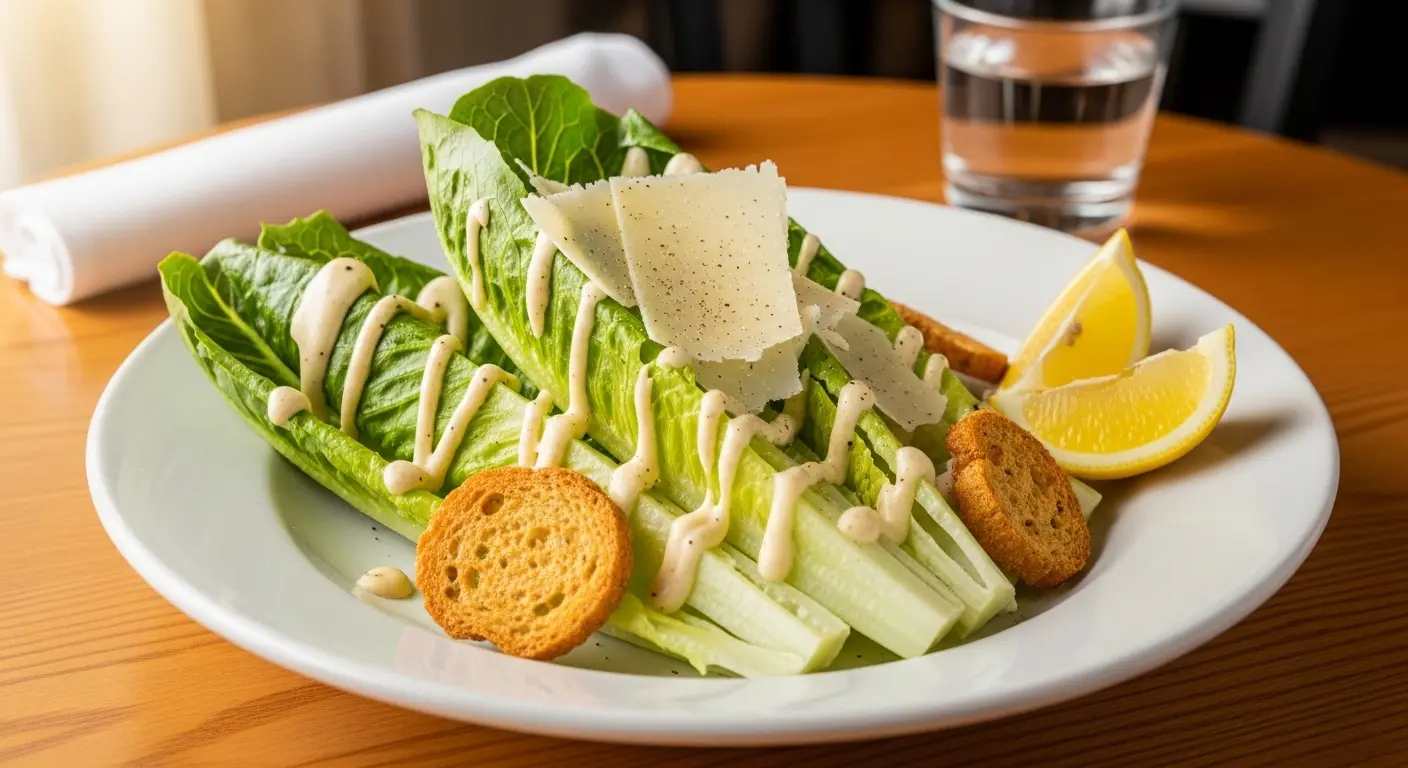
To elevate your gluten-free Caesar salad, serve as a starter alongside grilled lemon-herb chicken or pan-seared salmon.Garnish with a wedge of lemon, freshly cracked black pepper, and an extra sprinkle of Parmesan. For a vibrant, Instagram-worthy dish, use a deep green Romaine, artfully arranged to show off the creamy dressing and crunchy croutons, highlighting texture and color contrast.

| Nutrient | Amount per serving |
|---|---|
| Calories | 250 kcal |
| Protein | 10 g |
| Carbohydrates | 8 g |
| Fat | 20 g |
Understanding Gluten Sources in caesar salad Dressings
Many classic Caesar salad dressings include ingredients like soy sauce, malt vinegar, or anchovy pastes that can harbor hidden gluten. Gluten,a protein found in wheat,barley,and rye,lurks in some Worcestershire sauces or seasoning blends that may seem harmless at first glance. Common store-bought dressing variants occasionally use stabilizers or thickeners derived from gluten-containing grains. This is why crafting your own dressing from scratch or carefully scanning ingredient lists is essential for maintaining gluten-free integrity.
Safe Substitutions and Tips for Crafting a Gluten-Free Caesar Salad
When recreating Caesar salad without gluten, opt for 100% gluten-free bread varieties for croutons-almond flour crackers or baked chickpea bites add delightful crunch without worry.Use gluten-free Worcestershire sauce alternatives like [Lea & Perrins Gluten-Free](https://www.leaperrins.com/products/worcestershire-sauce) or tamari rather of traditional soy sauce. Keep fresh anchovies and Parmesan cheese in your arsenal; pure forms are naturally gluten-free and pack authentic flavor. Lastly, always rinse your produce thoroughly and use dedicated utensils to avoid cross-contact in mixed kitchens.
Navigating Restaurant Menus to Enjoy Caesar Salad Without Gluten Worries
Dining out with gluten constraints? It’s crucial to ask your server about crouton substitutions or removal and confirm if the dressing is prepared without gluten-containing ingredients. Many restaurants now offer gluten-free versions of Caesar salad or can accommodate requests by serving dressing on the side. Be vigilant about cross-contamination-if the kitchen handles wheat-based products, the risk for hidden gluten increases. Favor establishments with explicit gluten-free menus or certifications for peace of mind.
For more detailed guidance on gluten-free dining, visit the Celiac Disease Foundation.
Curious about other classic salads adapted for gluten-free lifestyles? explore our Gluten Free Salad Recipes for delicious inspiration.
Q&A
Q&A: Caesar Salad & Gluten - What’s Safe for Your Diet?
Q1: Is a traditional Caesar salad gluten-free?
A1: Not quite. Classic Caesar salad frequently enough includes croutons made from wheat bread, which contain gluten. The dressing itself may also have gluten-containing ingredients like Worcestershire sauce or anchovy paste depending on the recipe. So, if you’re avoiding gluten, that traditional Caesar isn’t your safest bet-unless modified.
Q2: What parts of a Caesar salad typically contain gluten?
A2: The main gluten culprits are the croutons and sometimes the dressing. Croutons are usually toasted cubes of bread-hello, gluten! Some store-bought dressings might use thickeners or flavorings that include gluten, so it’s always smart to check labels.
Q3: How can I enjoy Caesar salad if I’m gluten-sensitive or have celiac disease?
A3: Great news: You can still savor Caesar salad! swap out standard croutons for gluten-free versions or toss them altogether. Opt for a homemade dressing with simple ingredients like garlic,Dijon mustard,lemon juice,olive oil,Parmesan cheese,and anchovies to keep it clean and gluten-free. Always double-check labels if you’re buying pre-made dressings.
Q4: Are gluten-free Caesar dressings common in stores?
A4: They’re becoming more popular! Many brands now offer gluten-free options marked clearly on their packaging. Still, always read ingredient lists carefully because formulations can change, and cross-contamination is possible.
Q5: Can I find gluten-free Caesar salad options at restaurants?
A5: Increasingly,yes! Many restaurants accommodate gluten-free diets by offering crouton-free salads or using gluten-free croutons and dressings.Don’t hesitate to ask your server about ingredients or how the salad is prepared-better safe than sorry.
Q6: What about additives like anchovies-are they gluten-free?
A6: Pure anchovies themselves are gluten-free, but some anchovy pastes or sauces might contain gluten as a filler or preservative. Using whole anchovies or checking the brand ensures safety.Q7: is Parmesan cheese gluten-free?
A7: Parmesan cheese is naturally gluten-free, making it a safe and delicious addition to your Caesar salad.
Q8: Can gluten-containing foods trigger reactions in people who are just sensitive but not celiac?
A8: Absolutely. Even if you don’t have celiac disease, gluten sensitivity or intolerance can cause digestive upset, fatigue, or other symptoms. For peace of mind and health, it’s best to avoid gluten in your salads or any meals if you notice adverse reactions.
Summary:
your beloved Caesar salad can fit into a gluten-free lifestyle with a few smart swaps! Ditch the classic croutons, choose or make a gluten-free dressing, and enjoy that crisp, tangy crunch without worries. Your gut will thank you-and so will your taste buds.
Insights and Conclusions
navigating the world of Caesar salad and gluten can feel like deciphering a culinary puzzle, but with the right ingredients and a keen eye for labels, you can enjoy this classic dish without worry. Whether you’re avoiding gluten due to celiac disease, sensitivity, or personal choice, there are plenty of delicious ways to keep your Caesar salad safe and satisfying. From gluten-free dressings to crunchy substitutes for croutons, the path to a guilt-free Caesar is as vibrant and fresh as the greens in your bowl. So next time you crave that tangy, creamy bite, remember-your gluten-safe Caesar salad is just a thoughtful swap away. Stay informed, stay nourished, and most importantly, enjoy every crisp, flavorful forkful!