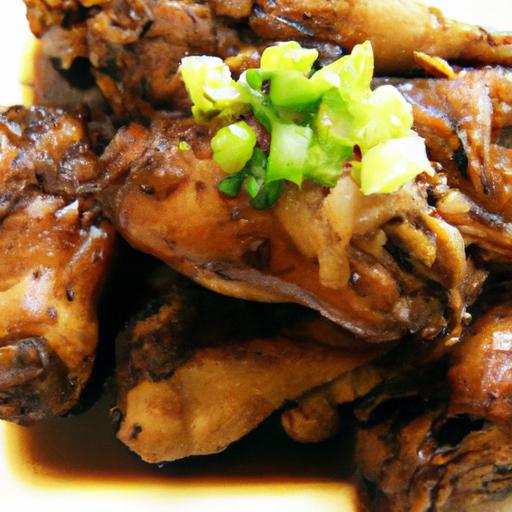

In the vibrant tapestry of Filipino cuisine, few dishes capture the heart and history of the nation quite like Chicken Adobo. More than just a meal, this iconic dish is a flavorful journey through centuries of culture, tradition, and ingenuity. With its rich blend of tangy vinegar, savory soy sauce, and aromatic garlic, Chicken Adobo stands as a testament to the Filipino spirit-resilient, resourceful, and deeply rooted in family and community. In this article, we uncover the story behind this beloved comfort food, exploring its origins, variations, and enduring meaning at the heart of Filipino dining tables worldwide.
Discovering the Origins and Cultural Significance of Chicken Adobo
Chicken Adobo stands as a culinary icon deeply rooted in Filipino heritage, embodying the warmth, history, and communal spirit of the Philippines. Born from a fusion of indigenous cooking techniques and Spanish colonial influences, this dish has transcended time and borders, becoming the beloved soul food of countless Filipino households. Its marinade of vinegar, soy sauce, garlic, and spices not only preserves the chicken but also delivers a uniquely harmonious blend of tangy, salty, and savory flavors that tell a story of resilience and cultural pride.
Legend has it that the term “adobo” was coined by Spanish explorers,referring to the native Filipino method of marinating meat in vinegar and salt to prevent spoilage in a tropical climate. This technique predates colonization, showcasing the resourcefulness of early Filipinos.today, chicken adobo is much more than a dish; it is indeed a celebrated tradition passed down through families, a symbol of homecoming, and a festive meal that gathers loved ones around the table.
Mastering the Perfect Balance of Flavors in yoru Chicken Adobo
Achieving the ideal chicken adobo is a delightful dance of balancing acidity, saltiness, and umami depth. The secret lies in the vinegarS sharp bite meeting the rich, caramelized soy sauce, all mellowed by the earthy sweetness of sautéed garlic and the subtle heat of cracked peppercorns. For an authentic taste, aim for a slow simmer that tenderizes the chicken while allowing the sauce to thicken and develop a glossy sheen.
Remember to taste as you cook – a dash more vinegar for brightness, a sprinkle of sugar to soften the edge, or a touch of water to control intensity can make all the difference. The hallmark of great chicken adobo is a luscious sauce that clings lovingly to tender, succulent chicken pieces, inviting you in with every bite.
Prep and Cook Time
- Preparation: 15 minutes
- Marination: 1 hour (recommended for best flavor)
- Cooking: 40 minutes
- Total Time: Approximately 2 hours
Yield
Serves 4 hearty portions
Difficulty Level
Easy to Medium – approachable for home cooks yet rewarding enough for enthusiasts
Essential Ingredients and Tools for Authentic Adobo cooking
- 2 lbs whole chicken thighs or drumsticks, skin-on and bone-in for maximum flavor
- 1 cup white vinegar (Filipino cane vinegar preferred for authenticity)
- ½ cup soy sauce (use naturally brewed for better depth)
- 6 cloves garlic, crushed and roughly chopped
- 1 teaspoon whole black peppercorns, lightly crushed
- 2 bay leaves grounded or whole
- 1 tablespoon brown sugar (optional, to balance acidity)
- 1 cup water
- 2 tablespoons cooking oil (preferably coconut or vegetable oil)
- Salt to taste
- Tools: large heavy-bottomed skillet or Dutch oven, wooden spatula, measuring cups, sharp knife
step-by-Step Instructions
- marinate the chicken: In a mixing bowl, combine chicken, vinegar, soy sauce, garlic, peppercorns, and bay leaves. Cover and refrigerate for at least 1 hour to let the flavors penetrate deep into the meat.
- Prepare the pan: Heat oil over medium heat in a skillet or Dutch oven. Onc shimmering, remove chicken pieces from the marinade (reserve marinade) and sauté in batches until the skin is golden brown, about 5 minutes per side. This step unlocks rich flavor and texture.
- Deglaze and simmer: Pour the reserved marinade and water into the skillet. Stir well, scraping the browned bits off the bottom to infuse the sauce with smoky notes.
- Add sugar and adjust seasoning: Stir in brown sugar, then bring mixture to a gentle boil. Reduce heat to low, cover, and simmer for 30-40 minutes until chicken is tender and cooked through, turning pieces halfway for even flavor absorption.
- Reduce the sauce: Remove the lid and increase heat to medium-high.Let the sauce reduce and thicken slightly, spooning it over the chicken often to create a glossy finish. If the sauce becomes too tangy, a splash more water or sugar can mellow it.
- Final touches: Taste and adjust seasoning with salt or additional soy sauce if needed. Turn off heat and let rest for 5 minutes before serving.
Tips and Variations to Elevate Your Chicken Adobo Experience
Make it your own: Swap chicken for pork belly or combine both for ”adobo sa gata,” which adds coconut milk for creaminess. Want a smoky note? Try a rapid broil at the end-just two minutes-to char the skin slightly.
Marinate longer: For a deeper infusion, marinate overnight. This will intensify the complex interplay of vinegar, soy, and garlic.
Spice it up: Add star anise or dried chili flakes to awaken new layers of flavor. A splash of calamansi juice adds a citrusy pop.
Storage tips: Adobo tastes even better the next day, as the flavors continue to meld. Store in an airtight container and reheat gently to maintain tenderness.
Serving Suggestions
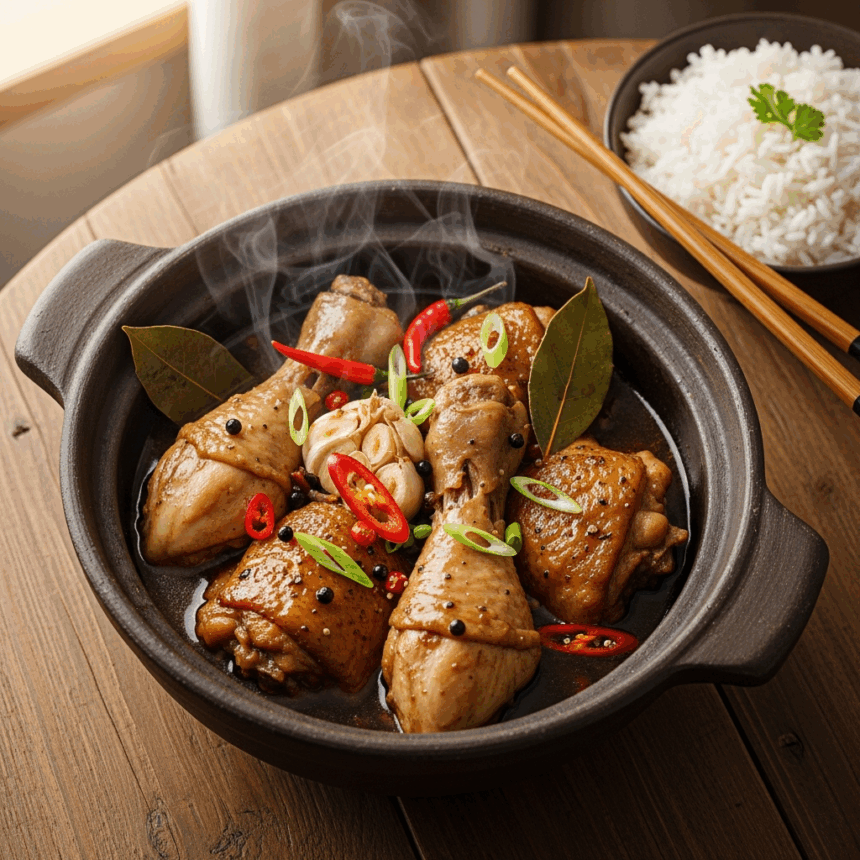
Serve your chicken adobo steaming hot atop a bed of fluffy jasmine rice or garlic fried rice for that irresistible comfort food combo.Garnish with freshly chopped scallions or crisp fried garlic for texture contrast and an extra punch of aroma. A side of pickled vegetables or a simple salad of sliced cucumber and tomatoes provides a refreshing balance to the sauce’s richness.
For a modern twist, pair with steamed greens like bok choy or sautéed beans, lightly dressed in garlic oil. The vivid colors and crunchy bites elevate the whole meal visually and gastronomically.
| Nutritional Information (Per Serving) | Quantity |
|---|---|
| Calories | 350 kcal |
| Protein | 35 g |
| Carbohydrates | 8 g |
| Fat | 18 g |
Make sure to check out our related recipe for Classic Pork Adobo to explore another Filipino favorite.for more about the history of adobo cooking techniques, the Library of Congress’s culinary history archives offers captivating insights.

Q&A
Q&A: Chicken Adobo – The Heart of Filipino Cuisine Uncovered
Q1: What exactly is Chicken Adobo, and why is it considered the heart of Filipino cuisine?
A1: chicken Adobo is a savory stew made from chicken marinated and simmered in a tantalizing blend of vinegar, soy sauce, garlic, bay leaves, and black peppercorns. its claim as the heart of Filipino cuisine stems from its deep-rooted history, worldwide appeal, and perfectly balanced flavors that mirror the Filipino spirit-resilient, bold, and comforting. It’s a dish that transcends regions, connecting families and generations alike.
Q2: How did Chicken Adobo become such a staple in the philippines?
A2: The roots of Chicken Adobo trace back to the pre-colonial period when indigenous Filipinos used vinegar and salt to preserve meat in a tropical climate. When the spanish colonizers arrived, they called this marinated meat “adobo” due to its resemblance to their own marinated dishes. Though, the Filipino version evolved uniquely, embracing local ingredients and flavors to create a dish that reflects the archipelago’s rich cultural tapestry.
Q3: What makes Chicken Adobo’s flavor profile so unique?
A3: Chicken Adobo’s beauty lies in its simplicity and complexity combined. The vinegar cuts through the richness of the soy sauce and chicken, creating a harmonious dance of tangy, salty, garlicky, and subtly sweet notes. The slow simmer allows the flavors to meld, resulting in tender chicken infused with a sauce that’s both bright and deeply savory-a sensory experience that is unmistakably Filipino.
Q4: Are there regional variations of Chicken Adobo in the Philippines?
A4: Absolutely! While the core elements remain consistent, every Filipino province boasts its own twist. In some areas, coconut milk (known as “adobo sa gata”) is added for creaminess; others incorporate potatoes, boiled eggs, or even pineapple for a sweeter touch. Each variation tells a story of local tastes, ingredient availability, and the creative flair Filipinos bring to their beloved dish.
Q5: How is Chicken adobo traditionally served?
A5: traditionally, Chicken Adobo is served steaming hot over a bed of plain white rice, allowing the rice to soak up the rich sauce. It’s frequently enough accompanied by simple side dishes like pickled vegetables or fresh tomatoes to balance the hearty flavors.For many Filipinos, this unassuming plate is a symbol of home, family gatherings, and a taste of nostalgia.
Q6: Can Chicken Adobo be adapted for modern palates or dietary preferences?
A6: Yes! While tradition holds strong, chefs and home cooks alike experiment with cooking methods and ingredients. You’ll find baked or slow-cooked versions for convenience, low-sodium soy sauce for health-conscious diners, and even plant-based “adobo” using mushrooms or tofu. These adaptations honor the dish’s essence while inviting a wider audience to savor its magic.
Q7: Why shoudl someone outside the Philippines try Chicken Adobo?
A7: Beyond being a delicious meal, chicken Adobo is a gateway to understanding Filipino culture, history, and warmth. Its layered flavors invite curiosity and appreciation for culinary ingenuity born from necessity and love. Trying Chicken Adobo is like taking a flavorful journey through the Philippines’ past and present-a delightful experience that captivates both the palate and the soul.
Whether you’re a seasoned foodie or a curious traveler, Chicken Adobo welcomes you with open arms (and a warm, tangy embrace). Dive in, and uncover the heart of Filipino cuisine-one bite at a time.
Insights and Conclusions
As the rich aroma of simmering soy and vinegar lingers in the kitchen, Chicken Adobo stands not just as a dish, but as a timeless story-one that weaves together history, culture, and family around the Filipino table. Uncovering its layers reveals more than a recipe; it uncovers the heart of a nation’s identity, resilient and flavorful. Whether enjoyed in a bustling Manila eatery or a home halfway across the world, each mouthful of Chicken Adobo is a savory invitation to experience the warmth, heritage, and soul of Filipino cuisine. In every bite, the legacy lives on.