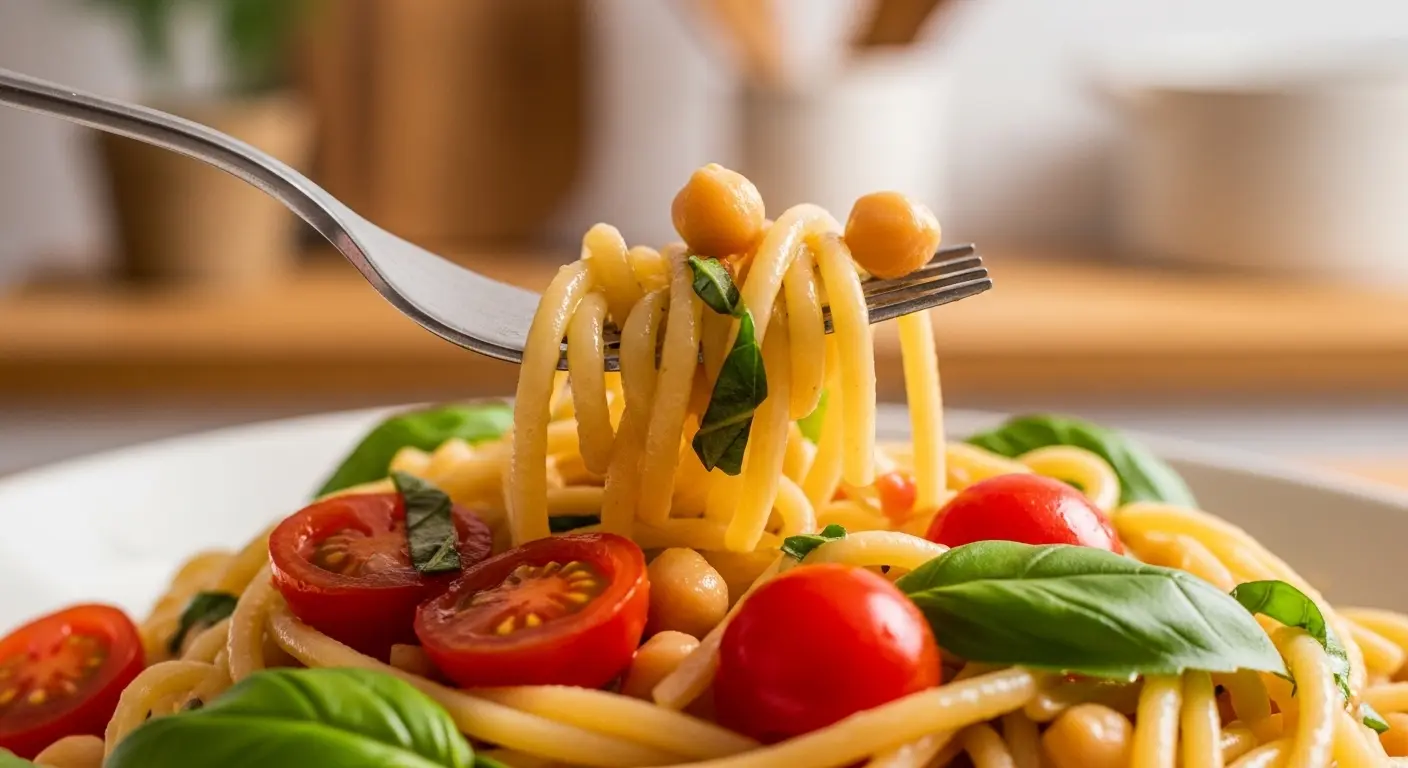

In the ever-evolving world of pasta alternatives, chickpea pasta has emerged as a popular choice for those seeking a nutritious twist on a classic favorite. Touted for its high protein content and rich fiber,it promises a guilt-free indulgence that fits perfectly into various dietary lifestyles. But amidst the buzz, one question lingers on many minds: is chickpea pasta truly gluten free? Join us as we unravel the truth behind this legume-based delight and explore whether it truly lives up to its gluten-free claims-or if hidden ingredients might complicate the story. Whether you’re celiac,gluten-sensitive,or simply curious,this deep dive into chickpea pasta will serve up the answers you need.
Chickpea pasta has surged in popularity as a vibrant, protein-packed alternative to conventional semolina noodles, captivating both health enthusiasts and gluten-free eaters alike. Understanding chickpea pasta ingredients and their origins reveals a story deeply rooted in ancient agriculture-chickpeas themselves have been a dietary staple for thousands of years, cultivated across the Mediterranean and South Asia for their nutty flavor and dense nutrition. This legume serves as the foundation for chickpea pasta, offering a robust texture and subtle earthiness that lends itself perfectly to wholesome meals.
Prep and Cook Time
- Readiness: 5 minutes
- Cooking: 7-9 minutes (dependent on pasta shape and brand)
- Total: 12-14 minutes
Yield
Serves 4 generously
Difficulty level
Easy - perfect for busy weeknights or casual gourmet dinners
Ingredients
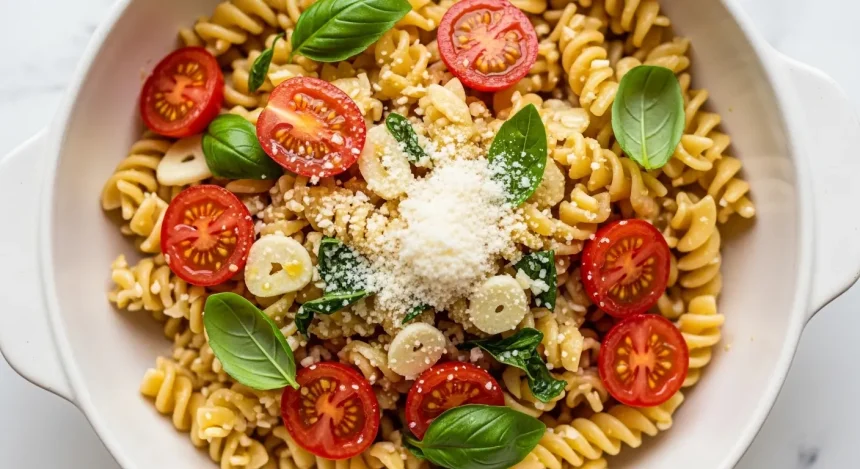
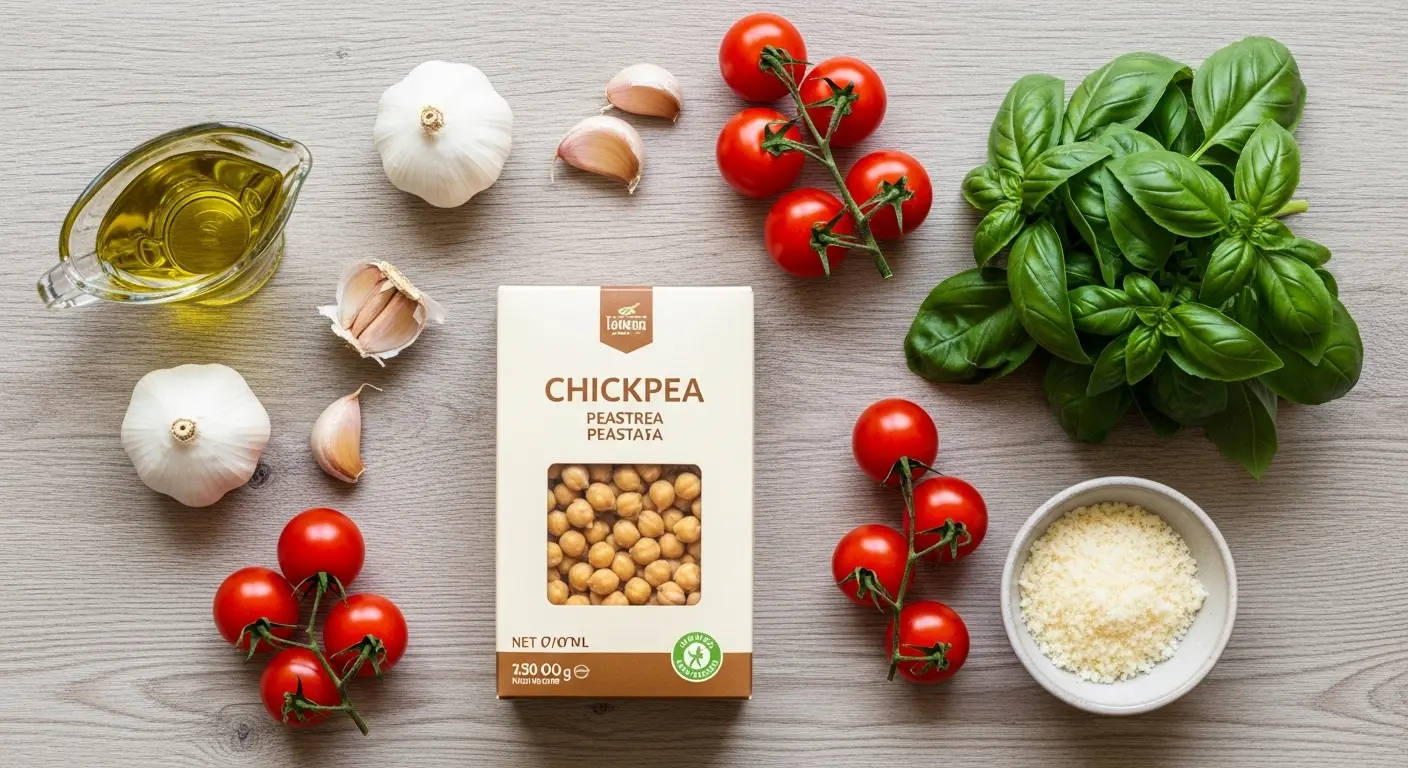
- 8 ounces chickpea pasta (look for certified gluten-free brands)
- 2 tablespoons extra virgin olive oil
- 3 cloves garlic, minced
- 1 cup cherry tomatoes, halved
- 1/4 cup fresh basil leaves, torn
- Salt and black pepper to taste
- 1/4 teaspoon crushed red pepper flakes (optional)
- 1/2 cup grated Parmesan or vegan alternative
Instructions
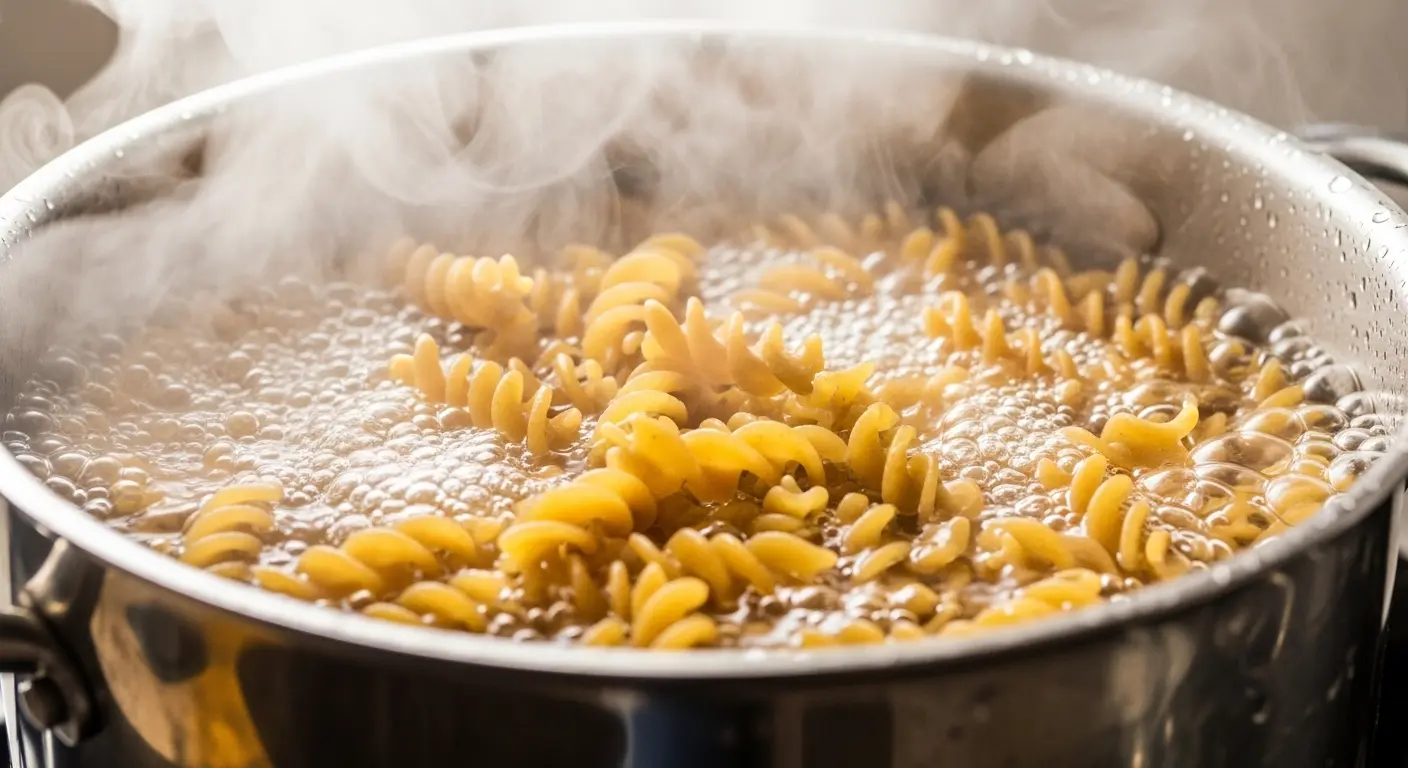
- Bring a large pot of salted water to a boil. Add chickpea pasta and cook according to package instructions, usually 7-9 minutes, untill al dente. Stir occasionally to prevent sticking.
- while pasta cooks, heat olive oil in a large skillet over medium heat. Add minced garlic and sauté until fragrant, about 1 minute-avoid browning the garlic to keep flavors bright.
- Add halved cherry tomatoes to the skillet. cook for 3-4 minutes until tomatoes soften and release their juices, creating a fresh sauce.
- Drain pasta thoroughly, reserving 1/4 cup of pasta water. Toss pasta into the skillet with tomatoes and garlic.
- Add torn basil leaves, salt, pepper, and optional red pepper flakes. Toss everything together, adding reserved pasta water gradually to loosen the sauce and coat pasta evenly.
- Remove from heat and sprinkle with grated Parmesan or vegan cheese. Stir gently to combine and melt the cheese slightly.
- Serve immediately with extra basil leaves for garnish and a drizzle of olive oil if desired.
Tips for Success
- Cross-Contamination Prevention: Opt for brands specifically labeled gluten-free and produced in dedicated facilities to minimize any cross-contact risk.
- Swap Suggestions: For a gluten-free vegan dish,use nutritional yeast or plant-based cheese alternatives instead of Parmesan.
- Flavor Boost: Add a squeeze of fresh lemon juice just before serving to brighten the dish.
- Make Ahead: Cook pasta al dente, toss with olive oil, and store separately from the sauce to reheat gently later to prevent mushiness.
Serving Suggestions
This dish shines when showcased simply to highlight the unique texture and flavor of chickpea pasta. Serve with a crisp side salad dressed in lemon vinaigrette or roasted vegetables for a well-rounded, colorful plate. Garnishing with fresh herbs like chopped parsley or basil and a sprinkle of toasted pine nuts adds layered fragrance and crunch, elevating your presentation. Pair it with a light white wine such as Pinot Grigio or Sauvignon Blanc to complement the nutty, wholesome flavors.

| Nutrient | Per Serving |
|---|---|
| Calories | 350 kcal |
| protein | 21 g |
| Carbohydrates | 42 g |
| Fat | 8 g |
When exploring chickpea pasta, it’s essential to understand not only its nutritional profile but also the manufacturing process that safeguards against gluten contamination. Choosing trusted brands with transparent sourcing and gluten-free certification guarantees a safe and satisfying experience. For more on safe gluten-free options and delicious recipes, check out our guide to gluten-free pasta alternatives. To dive deeper into gluten cross-contact science,visit the Celiac Disease Foundation-a reliable resource dedicated to celiac awareness and food safety.
Q&A
Q&A: Chickpea Pasta – Is It Truly Gluten Free or Not?
Q: What exactly is chickpea pasta?
A: Chickpea pasta is a type of pasta made primarily from ground chickpeas instead of traditional wheat flour. It offers a protein-packed, fiber-rich alternative that’s gaining popularity among health enthusiasts and those with dietary restrictions.
Q: Since chickpeas are naturally gluten free, does that mean chickpea pasta is automatically gluten free?
A: Not always! While chickpeas themselves contain no gluten, the final pasta product can sometimes be blended with wheat or other gluten-containing grains. To be sure, always check the packaging for a certified gluten-free label.
Q: How can I identify genuinely gluten-free chickpea pasta in stores?
A: Look for products that explicitly state “gluten free” on the label or have certification marks from reputable organizations. Reading the ingredient list carefully helps too-if you spot wheat, barley, rye, or malt, it’s not gluten free.
Q: Is cross-contamination a concern with chickpea pasta?
A: Yes, it can be.Some manufacturers produce gluten-free and gluten-containing products in the same facility, increasing the risk of cross-contamination. Certified gluten-free brands usually take extra precautions to avoid this.
Q: What are the benefits of choosing chickpea pasta over regular pasta?
A: chickpea pasta is high in plant-based protein and fiber, supports blood sugar control, and fits into many special diets including gluten-free, vegetarian, and vegan. It also brings a slightly nutty flavor and firm texture to your plate.
Q: Can people with celiac disease safely eat chickpea pasta?
A: They can – but only if the pasta is certified gluten free and processed in a gluten-free environment. For those highly sensitive to gluten, it’s best to err on the side of caution.
Q: How does chickpea pasta cook compared to traditional wheat pasta?
A: Chickpea pasta often requires slightly less cooking time and can be a bit firmer or more textured. It holds sauces well but can become mushy if overcooked, so keep a close eye while boiling.
Q: Are there any flavor differences I should expect?
A: Yes! chickpea pasta has a mild, earthy, slightly nutty taste that’s different from the neutral flavor of wheat pasta. It adds a unique twist to your favorite pasta dishes.
Q: Should I switch to chickpea pasta just because it’s gluten free?
A: If gluten is a concern for you or you wont a nutritious alternative, chickpea pasta is a fantastic option. But taste and texture preferences matter too, so experiment and see if it suits your palate and dietary needs.
Q: Where can I buy chickpea pasta?
A: Many grocery stores, health food markets, and online retailers stock chickpea pasta. Popular brands include Banza, Barilla’s chickpea line, and others-you can often find both gluten-free certified and wheat-blended varieties.
in sum: Chickpea pasta holds the promise of being a delicious, nutritious, and gluten-free-pleasant pasta alternative.Just be sure to check the label and certifications to avoid gluten traps hidden in disguise!
Final Thoughts
In the quest for gluten-free alternatives, chickpea pasta emerges as a promising candidate-rich in protein, fiber, and flavor. But is it truly gluten free? While pure chickpea pasta made from 100% chickpea flour typically steers clear of gluten, it’s essential to remain vigilant. Cross-contamination during processing or blends with other flours can sneak gluten into the mix. so, whether you’re navigating celiac disease or simply embracing a gluten-free lifestyle, always check labels and certifications to ensure your bowl of chickpea pasta stays both nourishing and safe. With the right choices, this humble legume can transform your pasta night into a wholesome, worry-free delight.