
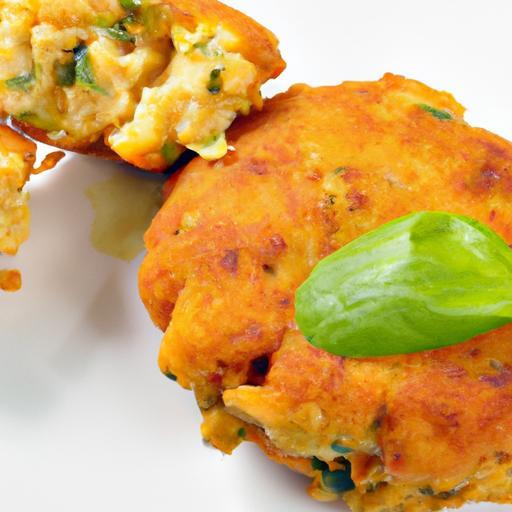
Crab cakes have long held a cherished spot on menus and dinner tables alike,celebrated for their delicate blend of succulent crab meat and crispy,golden exteriors. Yet, as culinary innovation surges forward, so too does the possibility to elevate this classic dish beyond its customary boundaries. Enter the realm of high-protein binders-a transformative approach that not only enhances the structural integrity of crab cakes but also amplifies their flavor profile and nutritional punch. In this article, we delve into the art and science of reinventing crab cakes with protein-packed binders, uncovering how these modern ingredients can bring newfound richness and satisfaction to a beloved seafood staple.
Crab cakes reinvented with high-protein binders offer a delicious twist on the classic dish, elevating both texture and nutritional value without compromising flavor. by thoughtfully incorporating unique protein-rich ingredients, you can create irresistibly cohesive crab cakes that stay perfectly intact and deliver an remarkable mouthfeel with each bite. This approach not only enhances the protein content but also introduces new layers of taste and interest,inviting you to experiment beyond the traditional breadcrumbs and mayo.
Prep and cook Time
- Preparation: 20 minutes
- cooking: 15 minutes
- Total Time: 35 minutes
Yield
Makes 8 medium-sized crab cakes (serves 4)
Difficulty Level
Medium
Ingredients
- 1 lb fresh lump crab meat, picked through for shells
- 3/4 cup cooked quinoa (fluffy, cooled)
- 2 large eggs, lightly beaten
- 1/4 cup Greek yogurt (for moist texture and protein boost)
- 1/2 cup finely grated Parmesan cheese
- 1/4 cup finely chopped fresh parsley
- 2 tbsp Dijon mustard
- 1 small shallot, minced
- 1 tsp Old Bay seasoning
- 1/2 tsp smoked paprika
- Salt and pepper to taste
- 2 tbsp olive oil for frying
Instructions
- Prepare the binder mixture: In a large bowl, whisk together the beaten eggs, Greek yogurt, Dijon mustard, Parmesan cheese, Old Bay seasoning, smoked paprika, salt, and pepper until smooth and well combined.
- Add the quinoa and aromatics: Fold in the cooked quinoa, minced shallot, and fresh parsley, integrating the high-protein binder ingredients carefully without overmixing.
- Incorporate the crab meat: Gently fold the lump crab meat into the binder mix, taking care to preserve the delicate texture of the crab while ensuring every shred is lightly coated.
- Shape the crab cakes: Using slightly wet hands, form the mixture into 8 evenly sized patties, about 3 inches in diameter and 1 inch thick. Place them on a parchment-lined tray and chill for at least 20 minutes to firm up-this step is crucial for perfect cohesion.
- Heat the pan: Warm olive oil in a large non-stick skillet over medium heat. The optimal temperature ensures a golden crust without burning.
- Cook the cakes: Fry the crab cakes in batches, about 4 minutes per side until golden and crisp. Gently flip to avoid breaking; the high-protein binders help maintain structure but treat them with care.
- Drain and rest: Transfer cooked cakes to a wire rack or plate lined with paper towels to drain excess oil. Let rest for 2-3 minutes before serving.
Tips for Success
- Substitute cooked lentils or mashed chickpeas for quinoa to vary the protein profile and texture.
- For a gluten-free option, omit breadcrumbs entirely and rely on quinoa and Parmesan as the main binders.
- Chilling the formed cakes before frying is key to avoid crumble and ensure even cooking.
- If you want an extra crispy finish, lightly dust each cake with gluten-free flour or crushed nuts before frying.
- To make ahead, assemble the cakes and freeze on a tray. Once frozen, transfer to an airtight container and cook straight from frozen, adding extra cooking time.
Serving Suggestions
Serve these protein-packed crab cakes atop a bed of fresh arugula or mixed greens lightly dressed with lemon vinaigrette. Garnish with thin lemon wedges, a dollop of herb-infused Greek yogurt sauce, or a tangy remoulade for bright contrast. A side of roasted asparagus or a crisp cucumber salad pairs beautifully, completing the dish with fresh, vibrant accents.

Nutrition Information per serving
| Calories | protein | Carbs | Fat |
|---|---|---|---|
| 320 | 28g | 10g | 15g |
Refining your crab cakes with high-protein binders transforms a simple classic into a nourishing culinary delight. For more innovative seafood recipes,check our Seafood Delights Collection. To understand the science behind ingredient binders, explore this detailed guide from The Culinary Institute of America.
Q&A
Q&A: Crab Cakes Reinvented – High-Protein Binders for Boosted Flavor
Q1: What exactly does “reinventing crab cakes” mean in this context?
A1: Reinventing crab cakes means taking the classic recipe and giving it a modern twist by swapping traditional binders like breadcrumbs and mayonnaise for high-protein alternatives. This not only amps up the protein content but also introduces new textures and layers of flavor, making the dish both healthier and more exciting.Q2: Why focus on high-protein binders? Aren’t crab cakes already rich in protein?
A2: Crab meat is indeed protein-rich, but traditional binders can dilute that benefit with added carbs and fat. By using high-protein binders-such as chickpea flour, Greek yogurt, or egg whites-you maintain or even boost the protein content while minimizing fillers. This creates a more satisfying and nutrient-dense crab cake that fuels your body and tantalizes your taste buds.Q3: Which high-protein binders work best in crab cakes?
A3: Popular high-protein binders include Greek yogurt, which adds creaminess and tang; chickpea flour, offering a subtle nuttiness and firm texture; egg whites for a light, airy binding effect; and even cottage cheese for moisture and protein punch. Each brings its own unique spin, allowing you to tailor your crab cakes to your flavor and texture preferences.
Q4: How do these binders change the flavor profile?
A4: Beyond just binding, these ingredients add depth. Greek yogurt introduces a slight tang that brightens the dish, chickpea flour lends a gentle earthiness, and cottage cheese contributes a mild creaminess.these nuances complement the sweet, briny crab meat, transforming the humble crab cake into a layered culinary experience.
Q5: Are high-protein binders suitable for all dietary needs?
A5: Many are! For those avoiding gluten,chickpea flour and Greek yogurt are excellent gluten-free options. Egg whites and cottage cheese cater to those seeking low-fat, high-protein choices. However, some binders contain dairy or legumes, so it’s essential to consider personal allergies or diets. The versatility of high-protein binders means there’s likely an option for everyone.
Q6: Does using high-protein binders affect the cooking process?
A6: slightly-because these binders vary in moisture and texture, cooking times and methods might need small adjustments. Such as, crab cakes with Greek yogurt might require a gentler sear to prevent browning too quickly, while those made with chickpea flour could benefit from a crispier pan-fry. Experimentation is key to perfecting your reinvented recipe.
Q7: How can home cooks start experimenting with these binders?
A7: Begin by substituting part of your usual binder with a high-protein alternative rather than going all-in at once. Try adding a dollop of Greek yogurt or swapping half the breadcrumbs for chickpea flour.Taste and texture will guide your adjustments. Remember-reinvention is as much about curiosity as it is indeed about technique.
Q8: What are the biggest benefits of reinvented crab cakes with high-protein binders?
A8: You get nutritious, flavor-packed crab cakes that satisfy hunger longer and support muscle health. plus, the creative freedom to explore new textures and tastes keeps the classic dish fresh and exciting, perfect for food enthusiasts keen on eating well without sacrificing indulgence.
The way Forward
As the humble crab cake undergoes this exciting conversion, high-protein binders emerge not just as substitutes, but as flavor amplifiers-elevating texture, boosting nutrition, and redefining what it means to savor the sea’s bounty. Whether you’re a culinary adventurer or a health-conscious foodie, embracing these innovative ingredients invites a fresh dialog between tradition and modern nutrition. So next time you savor that golden crust and tender crab within, remember: it’s not just a cake anymore-it’s a reinvented masterpiece were protein-rich binders play the starring role in delivering a taste experience that’s as nourishing as it is indeed delicious. Dive in, and let your palate be the judge!