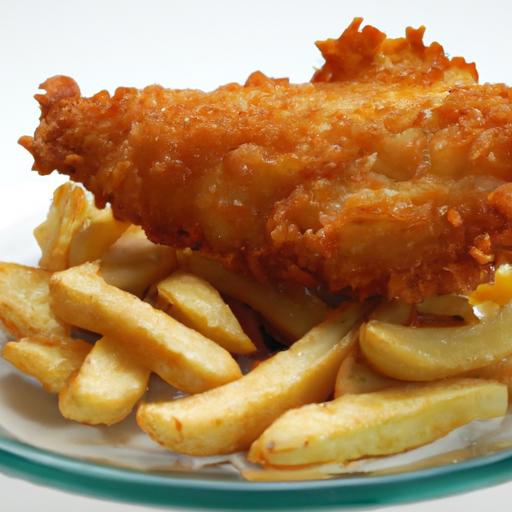

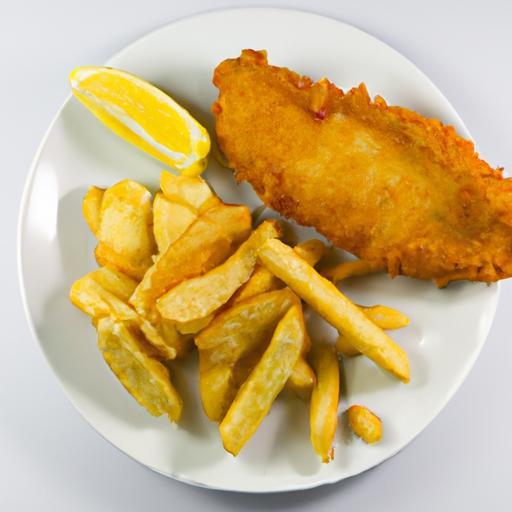
Golden, crunchy, and irresistibly comforting-fish and chips have long held a treasured spot in the heart of British cuisine. More than just a meal, this iconic duo tells a story woven through history, culture, and the very streets of the UK. From humble beginnings as a working-class staple too its status as a beloved national symbol, the journey of fish and chips is as rich and layered as its crispy batter. Join us as we peel back the layers of tradition and taste to uncover the engaging story behind Britain’s quintessential crispy classic.
Crispy Classics: The Story Behind British Fish and Chips takes us on a delicious journey into one of Britain’s most beloved culinary treasures. This iconic dish, cherished across generations, blends simple ingredients with a timeless method to create that irresistible crunch that defines authentic fish and chips. Whether you’re nostalgic for a seaside treat or eager to recreate a quintessential British meal at home,understanding the art behind the batter,the choice of fish,and thoughtful accompaniments is key to elevating your plate to perfection.
Prep and Cook Time
- Preparation: 20 minutes
- Cooking: 15 minutes
- Total time: 35 minutes
Yield
Serves 4 generous portions
Difficulty Level
Medium – Requires attention to batter consistency and frying temperature
Ingredients
- 500g fresh cod or haddock fillets, skin removed and cut into large chunks
- 1 cup all-purpose flour, sifted, plus extra for dusting
- 1 teaspoon baking powder
- 1 cup cold sparkling water (or cold beer for richer flavor)
- 1 teaspoon sea salt
- Freshly ground black pepper, to taste
- Vegetable oil or beef dripping for deep frying, about 4 cups
- 4 large potatoes, peeled for chips
- malt vinegar, for serving
- Fresh lemon wedges, to garnish
- Optional: Garden peas or mushy peas, tartar sauce
Instructions
- Prepare the chips: Cut the peeled potatoes into thick, even strips. Soak them in cold water for at least 30 minutes to remove excess starch, then drain and pat dry on kitchen paper.
- Par-cook the chips: Heat oil in a deep fryer or heavy-bottomed pan to 130°C (265°F). Fry the chips in batches,cooking for about 5 minutes until soft but not browned. Remove and drain on paper towels.
- Make the crispy batter: In a bowl, combine sifted flour, baking powder, sea salt, and pepper. Gradually whisk in the cold sparkling water or beer until the batter is smooth and slightly thick-rest it for 10 minutes to activate the baking powder for extra crispness.
- Prepare the fish: lightly dust the fish pieces with flour-this helps the batter adhere perfectly.
- Heat oil for frying fish: Increase the oil temperature to 180°C (350°F). Working quickly, dip each floured fish piece in the batter, allowing the excess to drip off, and carefully lower it into the hot oil.
- Fry the fish: Cook each piece for 6-8 minutes until golden, crispy, and cooked through. Avoid overcrowding to ensure an even crust. Remove and drain on paper towels.
- Final fry for the chips: Increase the oil temperature to 190°C (375°F). Fry the par-cooked chips again until golden and crispy, about 3-4 minutes.Drain well.
- Serve instantly: Plate the golden fish and chips while hot, garnish with fresh lemon wedges and a sprinkle of sea salt.
chef’s notes: Tips for Success
- Batter balance: Keep your sparkling water or beer ice-cold to achieve the lightest,crispiest batter. Avoid over-mixing to keep bubbles intact.
- oil temperature is key: Use a thermometer to maintain consistent heat-too low will cause sogginess, too high will burn the batter.
- Fish selection: Fresh cod or haddock works best for that authentic flavour, prized for thier flaky texture and mild sweetness.
- Make-ahead: Par-cook your chips in advance and keep them refrigerated; finish with a quick double fry before serving for perfect crunch.
- Variations: Try beer batter for a richer taste or experiment with seasoned flour for a subtle herby kick.
Serving Suggestions and Accompaniments
Elevate your dish with classic pairings like creamy mushy peas or a side of tartar sauce to add tang. A generous dash of malt vinegar brings that authentic sharpness, while a wedge of fresh lemon adds a vibrant, zesty counterpoint. For a traditional finish, sprinkle flaky sea salt over your fish and chips right before serving-this simple touch highlights the crunch and sweetness beautifully. Round out your meal with freshly ground black pepper and a side of crisp garden salad for freshness and color, transforming your crispy classics into a memorable feast.
| Nutrient | Per Serving |
|---|---|
| Calories | 650 kcal |
| Protein | 40 g |
| Carbohydrates | 55 g |
| Fat | 30 g |

for more insights on British culinary delights, British Food History offers an in-depth look at traditions that shape this national favorite.
Q&A
Q&A: Crispy Classics – The Story Behind British Fish and Chips
Q1: What makes British fish and chips such a beloved classic?
A1: Fish and chips are more than just a meal-they’re a crispy, golden symbol of British comfort food. The perfect pairing of flaky white fish, traditionally cod or haddock, coated in a light, crunchy batter, served alongside chunky, fluffy chips, creates a harmony of textures and flavors that has captured hearts and taste buds for generations.
Q2: How did fish and chips become a staple in British cuisine?
A2: The origins date back to the 19th century when fried fish was introduced to England by Jewish immigrants,and chips were already popular among the working class. The pairing took off during the Industrial Revolution, as affordable, hearty food was needed to fuel factory workers. The invention of the “fish and chip shop” during this time offered a convenient, satisfying meal, sparking an enduring culinary tradition.
Q3: What’s the secret behind the perfect fish batter?
A3: The secret lies in simplicity and technique. A classic batter often combines flour, water or beer, and sometimes baking powder, whipped to a light, airy consistency. When dropped into hot oil, the batter puffs up, creating a crispy exterior that seals in the moist, tender fish inside. the contrast between crunchy coating and succulent fish is essential to the iconic fish and chips experience.
Q4: Why are chips in the UK different from fries elsewhere?
A4: british chips are chunkier than the typical French fry-thick, soft inside, and crisp outside. They’re traditionally fried twice: once at a lower temperature to cook through, then again at a hotter temperature to achieve that signature golden crunch. This technique ensures the chips are hearty yet crispy, making them the perfect companion to battered fish.
Q5: How has fish and chips culture evolved in Britain today?
A5: While the classic fish and chip shop remains a cherished institution, the modern British palate has embraced new twists-gluten-free batters, alternative fish varieties, even gourmet versions with trendy sides. Yet, at its heart, fish and chips continue to be a nostalgic, communal experience-a taste of britain’s heritage served piping hot and wrapped in paper.
Q6: What’s the best way to enjoy traditional fish and chips?
A6: For the ultimate experience, enjoy fish and chips fresh from a local chippy, sprinkled with a pinch of salt and a dash of malt vinegar. Some swear by mushy peas on the side or a dollop of tartar sauce. Served in a newspaper or a classic white cardboard box, this humble meal evokes seaside memories and cozy, crispy delight in every bite.
Closing Remarks
From humble seaside stalls to beloved local chippies, the story of British fish and chips is more than just a tale of battered fish and golden fries-it’s a crispy chronicle of culture, community, and comfort. Each crunchy bite carries the echoes of history, the spirit of innovation, and the warmth of shared moments. As we savor this iconic dish, we’re reminded that sometimes, the simplest classics hold the richest stories, wrapped in tradition and seasoned with a sprinkle of nostalgia. So next time you unwrap that steaming parcel, take a moment to appreciate not just the taste, but the heritage that makes fish and chips a true British treasure.