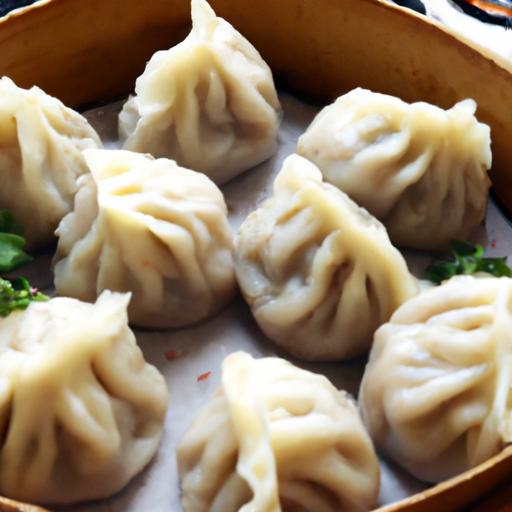

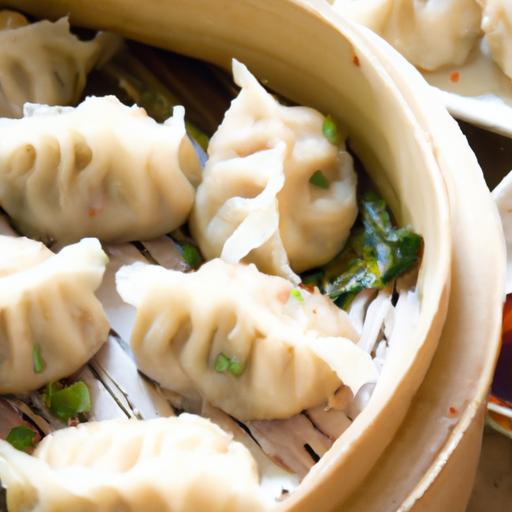
In the world of culinary wonders, few delights capture the heart and palate quite like Chinese steamed dim sum dumplings. Thes delicate parcels, often steamed to perfection and bursting with vibrant flavors, offer a harmonious blend of tradition, artistry, and taste. From the bustling teahouses of Guangzhou to the vibrant streets of Hong Kong, dim sum dumplings are more than just food-they are a cultural experience, a ritual of savoring bite-sized treasures crafted with meticulous care. Join us as we embark on a flavorful journey through the captivating realm of steamed dim sum,uncovering the stories,ingredients,and techniques that make these delightful bites an enduring symbol of Chinese cuisine.
Delightful bites of customary Chinese steamed dim sum dumplings offer an exquisite gateway to authentic flavors and culinary artistry. Steeped in history, these delicate parcels have been crafted with love for centuries, uniting families and friends over shared meals and joyous celebrations. Whether wrapped in translucent rice dough or tender wheat wrappers, mastering the art of dim sum opens a delightful world of textures, aromas, and tastes that invigorate the senses.
Prep and Cook Time
- Preparation: 40 minutes
- Cooking: 10 minutes (steaming time)
- Total Time: 50 minutes
Yield
Approximately 24 dumplings (serves 4)
Difficulty Level
Medium – Requires patience for wrapping technique but perfect for motivated home cooks
Ingredients
- 200g ground pork (preferably with 20% fat)
- 150g fresh shrimp, peeled and finely chopped
- 24 wheat dumpling wrappers (round, about 8cm diameter)
- 2 tablespoons soy sauce
- 1 tablespoon oyster sauce
- 1 teaspoon sesame oil
- 1 teaspoon Shaoxing wine (optional)
- 2 teaspoons cornstarch
- 1 teaspoon grated ginger
- 2 green onions, finely chopped (white and green parts separated)
- Pinch of white pepper
- A few carrot dices or peas for garnish
- Water for sealing the wrappers
Instructions
- Prepare the filling: In a large bowl, combine the ground pork, chopped shrimp, soy sauce, oyster sauce, sesame oil, Shaoxing wine, cornstarch, grated ginger, and white parts of the green onions. Mix thoroughly until the mixture becomes slightly sticky and well-integrated. This ensures flavorful, juicy pork siu mai and shrimp har gow filling.
- Shape the siu mai: place one wrapper on your palm. spoon about 1 tablespoon of filling into the center. Gently gather the edges around the meat without fully sealing the top-leave the filling exposed. Press lightly to create a sturdy base so it stands upright when steamed.
- Add garnish: Top each siu mai with a small carrot dice or pea for a traditional splash of color, giving an inviting presentation.
- seal with water: Dip your finger in water and moisten the wrapper edges to help them stick better and prevent unraveling during steaming.
- Prepare shrimp har gow wrappers: for a translucent effect,soak rice flour dumpling wrappers briefly in warm water until pliable (if using fresh wrappers).Place a teaspoon of filling in the center and fold the wrapper into a half-moon or pleated crescent shape, sealing the edges firmly but gently to avoid tearing.
- Steam the dumplings: Line a bamboo steamer with parchment paper or cabbage leaves to prevent sticking. Arrange dumplings inside, leaving space between them. Steam over boiling water for 8-10 minutes until pork is cooked through and wrappers turn tender and translucent.
- Serve promptly: Use tongs or chopsticks to transfer dumplings carefully onto serving plates to keep their shape intact.
tips for Success
- For juicier siu mai, add a splash of chicken broth or a teaspoon of melted lard to the filling.
- Keep dumpling wrappers covered with a damp cloth to prevent drying while wrapping.
- Practice pleating on a few har gow frist; don’t worry if imperfect-rustic charm adds character!
- Make ahead and freeze uncooked dumplings on a tray; seal in airtight bags and steam directly from frozen, adding a couple extra minutes to cook time.
Serving Suggestions
Present these delightful bites on a bamboo steamer basket or a decorative ceramic platter. Garnish with fresh cilantro sprigs and sliced red chili for color contrast and heat option. Offer classic dipping sauces such as black vinegar with julienned ginger, light soy sauce, or chili oil for added depth.
Pair these dim sum dumplings perfectly with traditional Chinese teas like fragrant jasmine tea or the rich, slightly smoky notes of oolong. This elevates the tasting experience, creating a harmonious balance, enhancing every bite and sip.
| Nutritional Info (per serving) | Calories | Protein (g) | Carbs (g) | Fat (g) |
|---|---|---|---|---|
| Dumplings (6 pieces) | 280 | 18 | 20 | 10 |

Unlocking the secrets of traditional dim sum wrapping brings not only culinary satisfaction but also a connection to an enduring cultural heritage. For a deeper dive into Chinese cuisine essentials, explore our article on classic Chinese cooking techniques.
Q&A
Q&A: Delightful Bites – Exploring Chinese steamed Dim Sum Dumplings
Q1: What exactly are Chinese steamed dim sum dumplings?
A1: Chinese steamed dim sum dumplings are bite-sized treasures of culinary craftsmanship.Traditionally served during dim sum-an array of small, shareable dishes-they are steamed to perfection, encapsulating flavorful fillings inside delicate, translucent wrappers. Each dumpling offers a harmonious blend of textures and tastes, a true delight for the senses.
Q2: What varieties of steamed dim sum dumplings can one expect to find?
A2: the world of steamed dim sum dumplings is wonderfully diverse! Classic varieties include Har Gow (shrimp dumplings) with their silky, translucent skins; Siu Mai (open-topped dumplings filled with pork and shrimp); and Xiao Long Bao, famous soup-filled dumplings bursting with savory broth. Regional variations showcase everything from vegetable-filled parcels to exotic seafood blends.
Q3: What makes the steaming technique so special in preparing these dumplings?
A3: Steaming is an art form that preserves the delicate texture and freshness of the ingredients. Unlike frying or boiling, steaming gently cooks the dumplings, keeping their wrappers tender and slightly chewy while locking in juicy, aromatic fillings. This method creates a subtle, natural flavour profile that highlights each ingredientS essence without overpowering it.Q4: How did steamed dim sum dumplings become a staple in Chinese cuisine?
A4: Dim sum has its roots in ancient tea houses along the Silk Road,where travelers sought small,satisfying snacks to complement their tea. Over centuries, steamed dumplings evolved into iconic dim sum delicacies, symbolizing hospitality and shared enjoyment. Today, they serve as tasty cultural ambassadors, inviting diners worldwide into a tradition steeped in history and community.
Q5: Can homemade steamed dim sum dumplings be made easily?
A5: Absolutely! While making the perfect dumpling wrapper can be a bit of a craft, manny home cooks find joy in experimenting with fillings and wrapping techniques. With a bamboo steamer or a simple steaming basket, you can recreate the magic in your own kitchen. The process is both meditative and rewarding-each bite tastes like a labour of love.
Q6: What tips woudl you offer to first-timers trying steamed dim sum dumplings?
A6: Approach dim sum dumplings with curiosity and an adventurous palate! Start with classics like Har Gow and Siu Mai to appreciate their subtle flavors. Dip them lightly in soy sauce or chili oil, but don’t overpower their delicate tastes. And remember-dim sum is about sharing, savoring variety, and enjoying the experience as much as the food itself.
Q7: Why are steamed dim sum dumplings considered a “delightful bite”?
A7: Each steamed dumpling is a miniature masterpiece-beautifully crafted,bursting with rich,layered flavors,and perfectly portioned for a single,joyous mouthful.their warm, tender texture combined with juicy fillings creates an immediate sense of comfort and delight, making them irresistible little gifts of taste and tradition.
Exploring steamed dim sum dumplings is more than just enjoying a meal-it’s an invitation to savor a timeless culinary ritual,one delightful bite at a time.
In Summary
As the delicate folds of each steamed dim sum dumpling unveil layers of flavor and tradition, we find ourselves not just savoring a bite, but embracing a rich cultural heritage that has been perfected through generations. From the bustling teahouses of Guangdong to modern kitchens around the world, these delightful morsels continue to invite us on a sensory journey-one where every steamed bun and dumpling is a story waiting to be told. So next time you tuck into a basket of these savory treasures, remember: you’re tasting more than just food-you’re experiencing a timeless art form that celebrates the harmony of taste, texture, and history in every delightful bite.