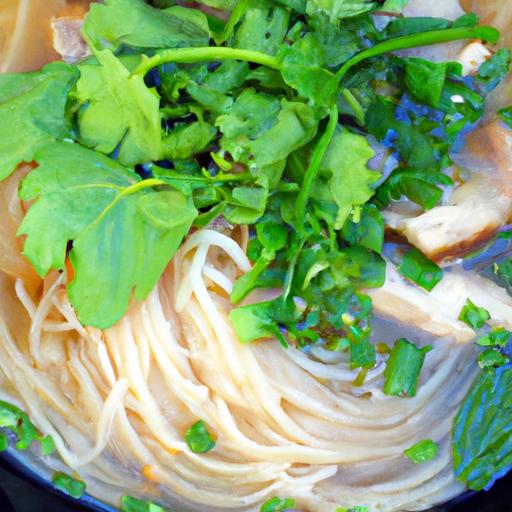

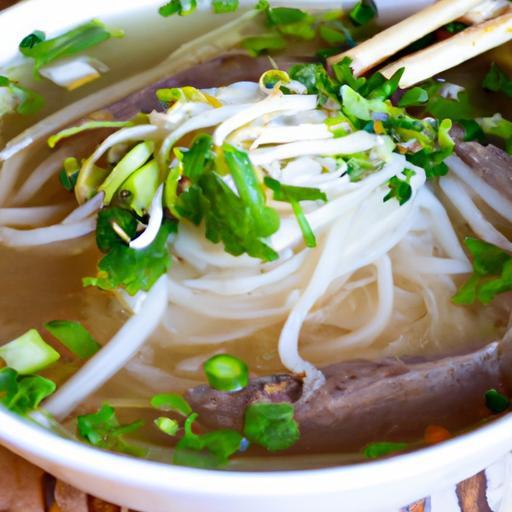
There’s something truly magical about the way a bowl of pho awakens the senses-the delicate dance of fragrant spices, the rich, simmered broth, and the vibrant chorus of fresh herbs and vegetables. Now, imagine capturing all that aromatic splendor in a compassionate, plant-based version that doesn’t compromise on flavor. Welcome to “Savor the Aroma: A Delightful Vegan Pho Recipe Guide,” where tradition meets innovation in a festivity of bold taste and wholesome ingredients. whether you’re a longtime pho enthusiast or new to this beloved Vietnamese staple, this guide will lead you through crafting your own soulful, vegan pho that warms the heart and nourishes the body-one steamy, aromatic spoonful at a time.
Savor the Aroma of a rich, soul-warming vegan pho broth that captures the heart of this beloved Vietnamese classic. Rooted in centuries of culinary tradition, the secret to an unforgettable pho lies in the meticulous layering of fresh herbs and warming spices, combined with the bright, vibrant toppings that elevate each spoonful into an unforgettable experience. I recall my very first vegan pho-simply fragrant, deeply comforting, and alive with fresh ingredients that made me crave another bowl.This guide brings you that authentic magic right to your kitchen, ensuring each element shines harmoniously.
Prep and Cook Time
- Preparation: 30 minutes
- Cooking: 2 hours
- Total: 2 hours 30 minutes
Yield
serves 6 generous bowls
Difficulty Level
Medium – Perfect for adventurous cooks ready to dive into complex flavor layers
Ingredients
- Water: 12 cups
- Yellow onions: 2 medium, halved
- Fresh ginger: 4-inch piece, sliced thin
- Dried shiitake mushrooms: 8 pieces
- Carrots: 3 medium, roughly chopped
- Cinnamon sticks: 2
- Star anise: 4 whole
- Cloves: 5 whole
- Cardamom pods: 3, lightly crushed
- Rock sugar or organic cane sugar: 1 tablespoon
- Soy sauce or tamari: 3 tablespoons
- Salt: to taste (start with 1 teaspoon)
- Rice noodles (pho noodles): 14 ounces
- Firm tofu: 14 ounces, pressed and sliced into thin strips
- Bean sprouts: 2 cups, rinsed
- Fresh Thai basil: 1 cup
- Cilantro: 1/2 cup, chopped
- Green onions: 4, thinly sliced
- Lime wedges: for garnish
- Jalapeño or bird’s eye chili peppers: thinly sliced, to taste
- Hoison sauce and sriracha: for serving
Instructions
- Char the aromatics. Using an open flame or broiler, char the onion halves and ginger slices until they have a light blackened crust (about 5 minutes), turning once. This imparts a deep smokiness critically important for authentic depth. Set aside.
- Prepare the broth base. In a large stockpot, add 12 cups of water with dried shiitake mushrooms, carrots, cinnamon sticks, star anise, cloves, and crushed cardamom pods. Bring to a boil over medium-high heat.
- Add charred aromatics. Once boiling,add the charred onions and ginger to the pot. Lower the heat to a gentle simmer and cook uncovered for 1.5 to 2 hours, occasionally skimming impurities from the surface with a spoon for a clear broth.
- sweeten and season. Stir in rock sugar, soy sauce, and salt towards the last 15 minutes of simmering. Taste and adjust seasoning as needed, prioritizing balance between savory sweetness and aromatic spice.
- Cook the rice noodles. While the broth simmers, prepare the pho noodles according to package instructions-typically soaking in hot water until tender yet al dente. Drain and set aside.
- Prepare tofu topping. Pat the tofu slices dry, then pan-fry in a non-stick skillet over medium heat with a small drizzle of oil until golden and slightly crispy on both sides, about 3 minutes per side. This creates a delightful texture contrast in your bowl.
- Assemble your bowls. Distribute cooked noodles evenly among serving bowls. Ladle the hot broth on top, ensuring a generous amount pours over both noodles and tofu strips.
- garnish with fresh herbs and crunchy toppings. Add handfuls of bean sprouts, Thai basil, cilantro, green onions, and chili slices on the side or directly atop the soup. Offer lime wedges, hoison sauce, and sriracha at the table so everyone can customize to taste.
Tips for Success
- Use fresh aromatics. Fresh ginger and yellow onions provide the distinctive bright, sweet notes essential to authentic vegan pho broth.
- Don’t rush the simmer. Slow simmering allows flavors to deeply develop-resist the urge to raise the heat to speed things up.
- Soy sauce selection. Choose gluten-free tamari for a deeper umami if necessary; light soy works if you prefer less intensity.
- Make ahead. The broth improves when made a day in advance-cool entirely, refrigerate, skim off any fat before reheating.
- Vegan protein boost. Try adding seitan strips or baked tempeh for option textures.
Serving Suggestions to Elevate Your Vegan Pho Feast
Serve this vibrant vegan pho in deep bowls that show off the translucent noodles swimming in the amber broth, layered with tofu and crowned with fresh herbs. Accompany with a platter of garnishes-lime wedges, bean sprouts, sliced chilies, Thai basil, and cilantro-to let diners personalize every bite. A side of crispy spring rolls or a crisp cucumber salad complements the warm savory essence beautifully.
| Nutrient | Per Serving |
|---|---|
| Calories | 320 |
| Protein | 14g |
| Carbohydrates | 45g |
| Fat | 6g |
Discover more comforting vegan Asian soups to expand your culinary repertoire and continue your plant-based journey.
For an in-depth look at Vietnamese pho’s history and health benefits, check out this informative National Geographic article.

Q&A
Q&A: Savor the Aroma – A Delightful Vegan Pho Recipe Guide
Q1: What makes vegan pho different from customary pho?
A1: Vegan pho celebrates the rich, aromatic flavors of Vietnam’s beloved noodle soup without using any animal products. While traditional pho uses beef or chicken broth as a base, vegan pho relies on a carefully crafted vegetable broth infused with herbs and spices like star anise, cinnamon, and cloves, capturing the soul-warming essence of the original in a plant-based way.
Q2: How do you build a fragrant and flavorful vegan pho broth?
A2: The secret lies in roasting key ingredients like onions and ginger to bring out their smoky depth, then simmering them with charred vegetables, shiitake mushrooms for umami, and a bouquet of spices such as star anise, cinnamon sticks, cloves, and cardamom pods. This long, slow simmer allows the broth to develop an irresistible aroma that’s both comforting and complex.
Q3: What are the must-have toppings to bring your vegan pho to life?
A3: Toppings are the heart and soul of pho! Fresh bean sprouts add crunch; Thai basil, cilantro, and mint contribute herbal brightness; sliced jalapeños provide a spicy kick; and a squeeze of lime cuts through the broth’s richness. Don’t forget thinly sliced tofu or seitan for a protein boost, and mushrooms, which soak up the broth beautifully.
Q4: Can I customize the noodle choice for my vegan pho?
A4: Absolutely! Traditional pho uses delicate rice noodles, but you can experiment with vermicelli or even zucchini noodles for a low-carb twist. The key is to choose noodles that soak up the broth’s flavor without overpowering the delicate balance of ingredients.
Q5: How can I make my vegan pho faster to prepare without sacrificing flavor?
A5: For a quicker option,prepare the broth ahead of time and refrigerate or freeze it. When ready to serve, simply heat up the broth and assemble your noodles and toppings. Using pre-roasted vegetables and pre-toasted spices can also shave off prep time while maintaining that signature pho aroma.
Q6: What seasoning tips ensure my vegan pho broth bursts with authentic flavor?
A6: Toast your spices before adding to the broth to awaken their oils and essential aromas. Roasting your aromatics (onions and ginger) adds sweetness and depth. Add a splash of soy sauce or tamari for extra umami, and season with a pinch of salt-but taste as you go to keep it balanced. A dash of maple syrup or coconut sugar can enhance subtle sweetness without overpowering the savory notes.
Q7: Is vegan pho suitable for all dietary preferences?
A7: Yes! Vegan pho is naturally gluten-free (when using traditional rice noodles) and free of dairy and animal products,making it ideal for vegans,vegetarians,and anyone seeking a wholesome,plant-based meal. Plus, it’s easy to adapt for low-sodium or spicy preferences.
Q8: What is the best way to enjoy vegan pho for an authentic experience?
A8: Sit down with your bowl steaming next to fresh herbs and condiments, and layer your toppings to taste. use chopsticks for the noodles, and a spoon for the fragrant broth. Engage your senses fully-inhale the complex aroma first, then savor each flavorful bite.Pho is as much about the ritual as the recipe.
Enjoy crafting this aromatic bowl of comfort that honors tradition while embracing vibrant plant-based goodness!
The way Forward
As the fragrant steam rises from your bowl, carrying hints of star anise, cinnamon, and fresh herbs, you’ve not only crafted a meal-you’ve created an experience. This vegan pho recipe invites you to savor every aromatic note while honoring tradition in a plant-based way. Whether you’re a seasoned pho enthusiast or a curious newcomer, embracing these flavors transforms simple ingredients into a soulful celebration. So next time hunger calls, let this delightful vegan pho guide lead you to a warm, nourishing bowl that comforts the body and delights the senses. Happy cooking-and even happier savoring!