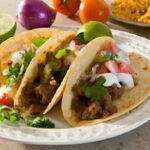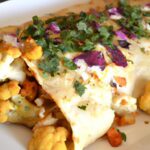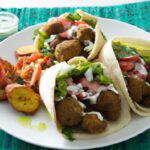


Step aside,traditional enchiladas-there’s a new contender turning up the heat and flavor in the world of Latin American cuisine. Welcome to the vibrant realm of Bolivian-style enchiladas, where ancient Andean traditions meet bold, mouthwatering ingredients to create a dish that’s as colorful as the highland markets it hails from. Far from your typical enchilada,this Bolivian twist brings a unique blend of textures,spices,and regional flair that invites food lovers on a culinary adventure beyond borders. Join us as we unwrap the story behind these flavorful pockets of delight and discover why Bolivian enchiladas are rewriting the rules of one of Mexico’s most beloved classics.
Origin and Cultural Roots of Bolivian style Enchiladas
Bolivian Style Enchiladas are a delightful culinary treasure that beautifully blends indigenous Andean flavors with Spanish colonial influences. Unlike the more commonly known Mexican enchiladas, Bolivian enchiladas are not just about tortillas drenched in chili sauce; they offer a distinct twist that showcases the rich diversity of Bolivia’s regional ingredients and history. Rooted in the department of La Paz and the Altiplano region, these enchiladas are traditionally made using an Andean corn cake base called “tunta” or fried corn masa, reflecting the importance of corn in Bolivian culture.They embody the spirit of communal eating and festive celebrations, often enjoyed at family gatherings and local markets. Every bite tells the story of a land where high-altitude crops meet hearty mountain flavors.
Unique Ingredients That Define Bolivian Enchilada Flavors
The essence of Bolivian Style Enchiladas lies in their unique, grounding ingredients and the clever layering of tastes. Here are some standout elements to watch for:
- Chuño – freeze-dried Andean potatoes that provide a subtle earthy tone and rustic texture
- Aji amarillo – a vibrant yellow chili pepper that adds a mild heat and fruity aroma, distinguishing these enchiladas from their Mexican counterparts
- Quinoa – sometimes used as a hearty filling or sprinkled for a textured bite, connecting with Bolivia’s ancient grain heritage
- Tunta cakes – small, crispy corn cakes, fried to golden perfection and serving as the base instead of tortillas
- Refried beans seasoned with cumin and coriander, gifting a savory depth
- Fresh Andean cheese or crumbled queso fresco – adding creamy contrast
- Fresh herbs like cilantro and huacatay (Black mint) which provide a fresh, aromatic lift
Step-by-Step Guide to Preparing Authentic Bolivian Enchiladas
Embark on your culinary journey with Bolivian Style enchiladas using this approachable method that brings traditional flavors to your kitchen.
prep and Cook Time
- Prep Time: 30 minutes
- Cook Time: 25 minutes
- Total Time: 55 minutes
Yield
Serves 4 generous portions
Difficulty Level
Medium – Ideal for adventurous home cooks craving authentic South American flavors
Ingredients
- 2 cups tunta cakes or small corn cakes (can substitute with thick corn tortillas if unavailable)
- 1 cup cooked refried black beans
- 1 medium onion, finely chopped
- 2 cloves garlic, minced
- 1 aji amarillo pepper, deseeded and finely chopped (substitute with yellow bell pepper and mild chili if needed)
- 1 tablespoon vegetable oil
- 1/2 cup crumbled fresh queso fresco
- 1/4 cup cooked quinoa (optional)
- 2 tablespoons fresh cilantro, chopped
- 1 teaspoon ground cumin
- Salt and black pepper, to taste
- Fresh lime wedges, for garnish
- Optional: 1 small tomato, diced for topping
instructions
- Prepare the filling: Heat the vegetable oil in a large skillet over medium heat. Add the chopped onion and sauté until translucent, about 5 minutes. Stir in the garlic and aji amarillo,cooking for another 2 minutes to release their aroma.
- Season and mix: Incorporate the cumin, cooked black beans, and quinoa (if using). Stir well, cooking until the beans are heated through and flavors blend-about 5 minutes. Season with salt and black pepper to taste.
- Warm the tunta cakes: In a separate non-stick pan, lightly fry the tunta cakes until they are golden and crisp on the edges, about 2 minutes per side. If using corn tortillas,warm them gently to avoid cracking.
- Assemble the enchiladas: Place each warmed tunta cake on a serving plate. Spoon a generous amount of the bean filling onto each cake. Sprinkle crumbled queso fresco evenly on top, followed by diced tomatoes and fresh cilantro.
- Garnish and serve: Add a squeeze of fresh lime over each enchilada for a burst of tang and serve instantly with sides of your choice.
Chef’s Notes
- Substitutions: If tunta cakes are difficult to source, sturdy corn tortillas offer a suitable alternative without compromising the core experience.
- Make ahead: Prepare your bean filling a day in advance and gently reheat before assembly for enhanced flavor melding.
- Spice level: Adjust the aji amarillo quantity or substitute with milder peppers to suit your palate.
- Texture tip: for extra crispiness, lightly brush tunta cakes with oil before frying.
Pairing Bolivian enchiladas with traditional Sides and Drinks
The experience of Bolivian Style Enchiladas truly shines when complemented with authentic sides that echo the mountains and valleys of Bolivia’s diverse landscape. Classic accompaniments include chuño salad, a refreshing mix of freeze-dried potatoes rehydrated and tossed with mild onions and herbs, and aji de maní, a creamy peanut sauce lending nutty warmth.
For drinks, savor the enlivening mocochinchi, a traditional Bolivian iced beverage brewed from dried peaches spiced with cinnamon, or indulge in a glass of freshly brewed coca tea that honors ancient Andean medicinal traditions.
Garnish your enchiladas with a sprinkle of fresh herbs and a few wedges of lime to create a vibrant, colorful plate that not only pleases the eyes but lifts the spirit with every bite.
| Nutrient | Per Serving |
|---|---|
| Calories | 380 kcal |
| Protein | 16 g |
| Carbohydrates | 45 g |
| Fat | 11 g |

For more adventurous Andean dishes, explore our detailed guide on Traditional Bolivian Stews, a perfect complement to your Bolivian culinary journey.
Q&A
Q&A: Discover Bolivian Style Enchiladas – A Flavorful Twist
Q: What makes Bolivian style enchiladas different from the traditional Mexican version?
A: While Mexican enchiladas are typically rolled tortillas drenched in chili sauce and stuffed with fillings, Bolivian enchiladas present a delightful twist. Instead of corn tortillas, Bolivian enchiladas use fried potato slices as the base, layered with savory ground meat, fresh vegetables, and a sprinkle of cheese.This unique combination brings a heartier, earthier flavor profile that reflects Bolivia’s rich Andean culinary heritage.
Q: Where did Bolivian style enchiladas originate?
A: These enchiladas hail from the Cochabamba region in Bolivia, known as the country’s culinary heartland. The dish evolved as a local adaptation, blending indigenous ingredients like potatoes-the Andean staple- with Spanish influences such as ground beef and cheeses, creating a fusion that’s both comforting and vibrant.
Q: What ingredients define the Bolivian enchilada?
A: Key ingredients include thick, crispy fried potato slices, seasoned ground beef or sometimes chicken, fresh tomatoes, onions, hard-boiled eggs, and mild Bolivian cheese. The dish is topped with a drizzle of spicy ají sauce or a tangy tomato-based salsa, adding that perfect kick and freshness.
Q: How is the Bolivian enchilada prepared?
A: Unlike the rolled Mexican version,Bolivian enchiladas are assembled like a hearty layered casserole.First, the potatoes are fried until golden and crisp. Then, layers of seasoned meat and fresh veggies are added, followed by melted cheese and the final touches of sauce. It’s often baked briefly to meld flavors together, resulting in a warm, comforting dish bursting with textures.
Q: Is the Bolivian enchilada spicy?
A: the spice level can vary depending on the ají sauce used. Ají is Bolivia’s signature chili pepper, offering flavors ranging from mild and tangy to fiery hot.Typically, the enchilada balances savory and spicy notes, allowing diners to adjust seasoning or accompany it with cooling sides like sour cream or fresh salad.
Q: Can Bolivian enchiladas be made vegetarian?
A: Absolutely! The meat can be substituted with hearty plant-based options like sautéed mushrooms, lentils, or quinoa, maintaining the dish’s signature layers and robust flavors. Fresh vegetables and traditional Bolivian ají sauces also lend vibrant taste without the need for meat.Q: What makes Bolivian style enchiladas a must-try for food lovers?
A: They’re a beautiful culinary bridge between indigenous Andean ingredients and colonial influences, offering a new way to experience enchiladas-crispy, layered, and rich in cultural history. For anyone craving authentic South American flavors with a creative twist,bolivian enchiladas deliver a delicious surprise.
Q: Where can I try authentic bolivian enchiladas outside Bolivia?
A: While still somewhat rare internationally, some South American restaurants and Bolivian eateries in major cities have begun showcasing this specialty. You might also explore online recipes to craft your own Bolivian style enchiladas at home and savor this flavorful culinary discovery firsthand!
Concluding Remarks
As you savor the vibrant layers of bolivian style enchiladas, you’re not just enjoying a meal-you’re diving into a rich tapestry of culture, history, and bold flavors. This flavorful twist on a beloved classic invites food lovers to explore the unique ingredients and traditional techniques that make Bolivian enchiladas stand out. Whether you’re a passionate foodie or simply curious, embracing this dish opens the door to a culinary adventure that’s as colorful and diverse as Bolivia itself. so next time you crave something both comforting and exciting,let Bolivian style enchiladas take your taste buds on a journey worth remembering.