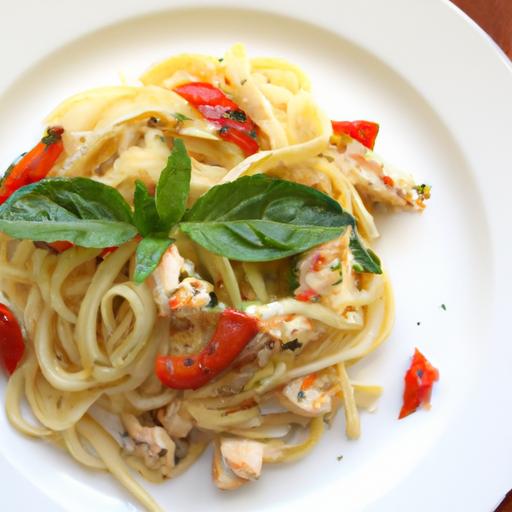

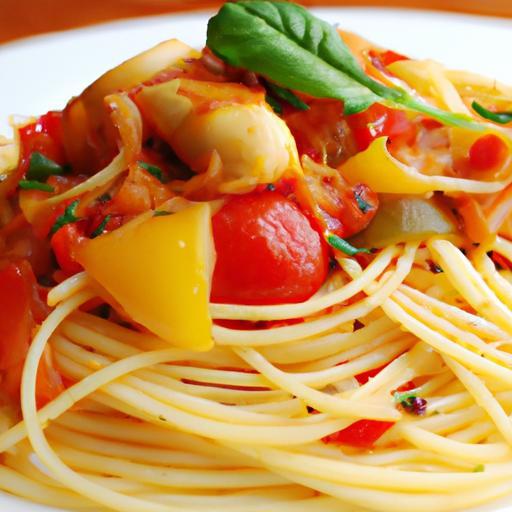
In a world where culinary traditions frequently enough revolve around the comforting embrace of wheat-based pasta, gluten-free spaghetti emerges as a vibrant and flavorful alternative, proving that enjoying a hearty bowl of pasta doesn’t mean compromising on taste or texture. This tasty innovation has opened doors for those with gluten sensitivities, celiac disease, or simply a desire to explore new dietary horizons, inviting everyone to savor the timeless pleasure of Italian cuisine without the wheat. Join us as we unravel the delights of gluten-free spaghetti-a culinary revolution that transforms the humble strand into a canvas of creativity, health, and irresistible flavor.
Gluten-free spaghetti opens up a whole new world of pasta enjoyment for those avoiding wheat, delivering a satisfying bite and irresistible texture. Thanks to innovative flour blends and modern techniques, crafting your own gluten-free spaghetti at home is easier-and more rewarding-than ever before. Whether you’re a passionate home cook or a curious pasta lover, mastering the nuances of gluten-free flours will transform your dish into a culinary masterpiece.
Prep and Cook Time
- Preparation: 30 minutes
- Resting time: 1 hour
- Cooking time: 3-5 minutes
- Total: Approximately 1 hour 40 minutes
Yield
This recipe makes enough gluten-free spaghetti for 4 servings, perfect for a family meal or a cozy dinner with friends.
Difficulty Level
Medium: Requires some patience and a rolling pin, but no special equipment needed.
Ingredients
- 1 cup brown rice flour, finely milled
- 1/2 cup tapioca starch/flour (for elasticity)
- 1/4 cup potato starch (provides moisture)
- 2 large eggs, at room temperature
- 1 tablespoon olive oil
- 1/2 teaspoon xanthan gum (or guar gum, for structure)
- 1/2 teaspoon salt
- 2-3 tablespoons cold water (as needed)
Instructions
- Combine the dry flours: In a large bowl, whisk together brown rice flour, tapioca starch, potato starch, xanthan gum, and salt. This blend balances texture-tapioca adds chewiness, while potato starch prevents dryness.
- Create a well: Shape the flour mix into a mound, making a deep well in the center.
- Add wet ingredients: Crack the eggs into the well, pour in the olive oil, and begin whisking gently with a fork, gradually drawing in flour from edges. This encourages a flexible dough.
- Form the dough: Slowly incorporate flour until a shaggy dough forms. If to dry, add water, one tablespoon at a time, until the dough comes together but isn’t sticky.
- Knead: Transfer dough to a lightly floured (gluten-free flour) surface. knead gently for about 5 minutes, until smooth and elastic. Cover with a damp cloth and rest for at least 1 hour; resting hydrates the flours and improves texture.
- Roll and shape: Divide dough into 2 portions. Roll each out thinly (about 1/16 inch) between two sheets of parchment using a rolling pin.Sprinkle with dry flour to prevent sticking.
- Cut spaghetti: Using a sharp knife or a pizza cutter, slice dough into thin strips resembling spaghetti noodles. Gently toss in flour to separate strands.
- Cook: Bring a large pot of salted water to a rolling boil. Add gluten-free spaghetti and stir gently to prevent clumping. Cook for 3-5 minutes until al dente-the strands should be tender but firm to the bite.
- Drain and serve: Drain pasta and promptly toss with your favorite sauce to prevent sticking and maintain moisture.
Chef’s Notes & tips for Success
- Flour options: Experiment with sorghum or millet flour for a nuttier flavor. Avoid all-purpose gluten-free blends that contain too much starch, which can make the pasta gummy.
- resting is key: Letting your dough rest allows the starches to absorb moisture fully,creating a silky texture akin to traditional spaghetti.
- Use eggs for structure: If vegan, substitute with a flax egg and add 1 teaspoon psyllium husk to help bind the dough.
- Roll thinly: Thin sheets ensure spaghetti cooks quickly without becoming mushy from overcooking.
- Make ahead: You can freeze the cut spaghetti separated on parchment-just toss frozen pasta into boiling water, adding an extra minute to cooking time.
Serving Suggestions
Gluten-free spaghetti shines with bright, fresh sauces that celebrate its delicate texture.Try these ideas:
- classic pomodoro: A vibrant tomato basil sauce drizzled with extra virgin olive oil and topped with fresh basil leaves and microgreens.
- Garlic & herb oil: Sauté minced garlic in olive oil, toss with parsley and chili flakes, and finish with a squeeze of lemon.
- Roasted vegetable medley: Serve with a warm ragù of zucchini, cherry tomatoes, and olives, garnished with toasted pine nuts.
- Cheesy pesto: Blend fresh basil, walnuts, nutritional yeast, and garlic for a dairy-free green sauce that elevates the mild pasta flavor.

| Nutrient | Per Serving |
|---|---|
| Calories | 210 kcal |
| Protein | 8 g |
| Carbohydrates | 38 g |
| Fat | 5 g |
For more tips on enhancing gluten-free recipes, check out our complete pasta guide. For detailed science behind gluten-free flours and texture, see Celiac Disease Foundation.
Q&A
Q&A: Gluten-Free Spaghetti – Delicious Pasta without the Wheat
Q1: What exactly is gluten-free spaghetti?
A: Gluten-free spaghetti is a type of pasta crafted without wheat or any gluten-containing grains. Instead, it’s made from alternative flours such as rice, corn, quinoa, chickpeas, or even lentils. This means it’s perfect for those with celiac disease, gluten sensitivities, or simply anyone looking to cut out gluten without sacrificing their love for pasta.
Q2: Does gluten-free spaghetti taste different from regular spaghetti?
A: While traditional wheat spaghetti has that classic, chewy texture and rich flavor, gluten-free versions bring their own unique charm. Depending on the base ingredient,you might notice subtle nutty,earthy,or sweet undertones. Modern recipes and brands have come such a long way that many gluten-free spaghetti options are delightfully similar in taste and texture to the wheat variety.
Q3: How do I cook gluten-free spaghetti so it doesn’t turn mushy?
A: Cooking gluten-free spaghetti is an art! As it lacks gluten’s elasticity, it’s easy to overcook.Make sure to:
- Follow the package instructions carefully.
- Cook it in plenty of boiling water.
- Stir gently but frequently to prevent sticking.
- Taste-test a minute or two before the suggested time.
- Drain the pasta promptly and rinse with warm water to stop cooking.
Q4: can gluten-free spaghetti hold up to saucy dishes?
A: Absolutely! Gluten-free spaghetti can be a fantastic canvas for your favorite sauces, from hearty tomato ragù to creamy Alfredo. Just be mindful of the pasta’s slightly different texture-pair lighter sauces with more delicate pasta and heartier sauces with robust legume-based spaghetti to balance flavors and mouthfeel.Q5: Is gluten-free spaghetti healthier than traditional pasta?
A: Health is a nuanced topic. Gluten-free spaghetti can offer benefits like being grain-free or higher in protein and fiber, especially if made with legumes or ancient grains. However, some gluten-free pastas can also be higher in starches or additives. Always check nutrition labels and choose whole-food-based options when possible for the best balance!
Q6: Where can I find gluten-free spaghetti?
A: Most supermarkets now stock gluten-free spaghetti in their specialty or health food aisles. You’ll also find a wide variety online, from brands devoted to gluten-free living to artisanal producers experimenting with unique blends of grains and legumes.
Q7: Can I make gluten-free spaghetti at home?
A: Yes! Making gluten-free pasta at home can be a rewarding experience. With gluten-free flours like rice, chickpea, or buckwheat flour, plus xanthan gum or psyllium husk to provide structure, you can knead, roll, and cut your own fresh spaghetti. It’s a little more delicate than wheat dough but allows for creative control over ingredients and texture.
Gluten-free spaghetti proves that skipping wheat doesn’t mean missing out on culinary joy. With the right ingredients and a bit of kitchen magic, your pasta nights can remain as comforting and delicious as ever!
Insights and Conclusions
In a world where traditional pasta often steals the spotlight, gluten-free spaghetti emerges as a shining alternative-proving that deliciousness doesn’t have to come with wheat.Whether you’re navigating dietary restrictions or simply seeking a new twist on a classic favorite, these versatile noodles invite you to savor every bite without compromise. So next time you crave that familiar, satisfying twirl, remember that gluten-free spaghetti is ready to carry your sauce and your palate to exciting, wheat-free horizons. Delicious pasta without the wheat isn’t just a possibility-it’s a flavorful reality waiting to be explored.