
When it comes to satisfying a sweet tooth, few treats are as universally loved as milk chocolate. Its creamy texture and rich flavour have a way of melting away the stresses of the day.But if you’re navigating a gluten-free lifestyle,you might find yourself pausing before indulging-wondering if that luscious bar of milk chocolate is truly safe to enjoy. is milk chocolate gluten free, or does it hide sneaky grains that could disrupt your health? In this article, we’ll unwrap the sweet facts you need to know, separating tasty truth from common misconceptions, so you can savor every bite with confidence and peace of mind.
Is milk chocolate gluten free? For manny chocolate lovers, this question sparks curiosity and caution, especially for those navigating gluten sensitivities or celiac disease. Milk chocolate’s creamy allure often masks the complexities of ingredient sourcing and manufacturing processes that impact gluten presence. Understanding the finespun details behind milk chocolate ingredients, potential cross-contamination risks, and safe brand selections empowers you to savor every bite with confidence.
Prep and Cook Time
- prep Time: 10 minutes
- Cook Time: N/A - This guide is informational and to be paired with your favorite milk chocolate tasting or recipes
Yield
- Guides servings: Enough knowledge to make informed choices for multiple chocolate purchases or recipes
Difficulty Level
- Easy – No actual cooking, only understanding ingredient facts and safety measures
ingredients to Watch Closely in Milk Chocolate
- Cocoa solids: Pure, naturally gluten-free, they provide the chocolate’s flavor base.
- Milk powder or condensed milk: Adds creamy sweetness, gluten-free but source purity varies.
- Sugar: Generally safe, but check for additives.
- Lecithin (usually soy): Acts as an emulsifier, typically gluten-free but cross-contamination possibility exists.
- Flavorings, like vanilla extract: Typically gluten-free, but verify in processed chocolates.
- Additional ingredients: Nuts, cookie pieces, wafers – these often introduce gluten risks.
- Learn ingredient origins. The pure milk chocolate base is usually gluten-free by nature. Challenges arise when additives blend gluten-containing ingredients, such as cookie crumbs or malt-based flavors.
- Check manufacturing facilities. Cross-contamination is a culprit when milk chocolate is processed in facilities also handling wheat products.
- Review packaging labels. Look for “gluten-free” certification or allergen statements. Words like “may contain traces of wheat” indicate possible contamination.
How Cross-Contamination Impacts Gluten Presence in chocolate Products
Imagine your favorite milk chocolate treated on the same equipment as gluten-rich ingredients - even a speck can trigger symptoms for gluten-sensitive individuals. Cross-contact happens when residue from one batch transfers to another without thorough cleaning. This risk increases in multi-product factories or artisanal chocolatiers without strict protocols. Choosing brands with dedicated gluten-free production lines or certifications minimizes this risk drastically.
Identifying Safe Milk Chocolate Brands for Gluten-Sensitive Consumers
Several brands specialize in gluten-free milk chocolate, offering safe, indulgent experiences. Look for:
- Certified Gluten-Free Badges: Trusted third-party verification means rigorous testing and ingredient audits.
- Obvious Sourcing: Brands that provide clear ingredient origins and allergen handling details.
- Dedicated production facilities: Exclusively gluten-free plants reduce contamination risk. See Celiac Disease Foundation for trusted resources on gluten-free labeling.
Tips for Enjoying Milk Chocolate Without Compromising gluten-Free Diets
- Start with pure milk chocolate bars: Avoid varieties with added mix-ins unless certified gluten-free.
- Read labels every time: Ingredients and manufacturing processes may change without notice.
- Try homemade milk chocolate treats: Use certified gluten-free ingredients to create your own controlled indulgence.
- Pair with naturally gluten-free accompaniments: Fresh fruit, nuts, or gluten-free cookies complement milk chocolate beautifully.
- Consult celiac or gluten sensitivity groups: Crowdsourced recommendations highlight current safe brands and products.
Chef’s Notes
- Variation: Swap dairy milk powder for plant-based milk powders if lactose intolerance is a concern, but verify gluten safety.
- Substitution: Dark or white chocolates also vary in gluten content; always cross-check before purchasing.
- Troubleshooting: If unsure about cross-contamination, try smaller sample products first to test tolerance.
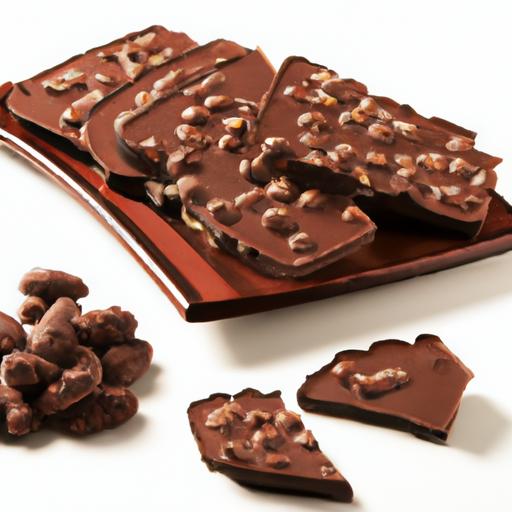
- Make-ahead: Create homemade milk chocolate bark with gluten-free add-ins for safe snacking.
Serving Suggestions
Enjoy your milk chocolate piece-by-piece or in recipes that celebrate its creamy texture:
- Slice into small squares atop gluten-free shortbread for a simple dessert.
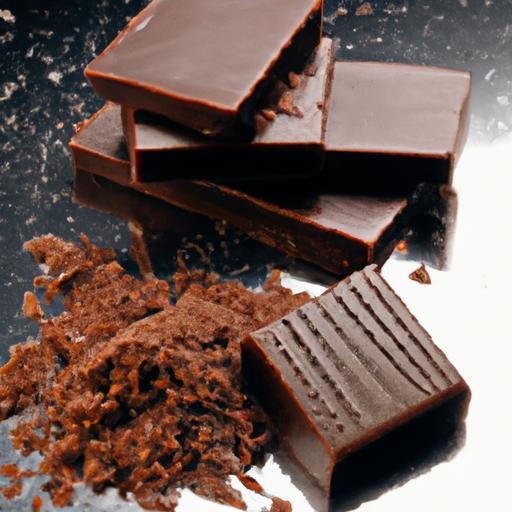
- Grate over naturally gluten-free hot cocoa for extra richness and a touch of sweet luxury.
- Melt into a ganache to drizzle on fresh berries or coconut macaroon bites.
- Pair with a glass of cold almond milk or a cup of herbal tea for a comforting snack.
| Nutrition (per 30g serving) | Calories | Protein | carbs | Fat |
|---|---|---|---|---|
| Milk Chocolate | 150-170 kcal | 2 g | 15-20 g | 9-11 g |

For more recipes and tips on safely incorporating chocolate into gluten-free lifestyles, explore our Gluten-Free Dessert Ideas section.
Q&A
Q&A: Is Milk Chocolate Gluten Free? Sweet Facts You Should Know
Q1: What exactly is milk chocolate?
A: Milk chocolate is that creamy, dreamy treat made from cocoa solids, cocoa butter, sugar, and-of course-milk powder or condensed milk. Its smooth texture and sweet flavor make it a favorite for many chocolate lovers around the world.
Q2: Does pure milk chocolate naturally contain gluten?
A: Pure milk chocolate, made from basic ingredients like cocoa, sugar, and milk, is naturally gluten free. Cocoa beans don’t have gluten, and neither do the core components of customary milk chocolate.
Q3: So why the confusion about gluten in milk chocolate?
A: The tricky part lies in additives and cross-contamination. some milk chocolates include ingredients like cookie bits, malt flavoring, or other additives that might contain gluten. Plus,factories sometimes process chocolates on equipment shared with gluten-containing products,which can lead to cross-contact.
Q4: How can one tell if a milk chocolate bar is gluten free?
A: Always check the packaging for gluten free labeling or certification. Look closely at the ingredient list for any wheat, barley, rye, malt, or barley malt. When in doubt, contact the manufacturer or opt for brands that specialize in gluten free products.
Q5: Are all milk chocolates with mix-ins unsafe for gluten-sensitive people?
A: Not necessarily! Some mix-ins like nuts, fruits, or rice crisps can be gluten free. However, anything derived from wheat, barley, or malt is a red flag. Be vigilant and read labels carefully, especially if you have celiac disease or serious gluten intolerance.
Q6: Can cross-contamination ruin gluten-free milk chocolate?
A: It can, yes. Even trace amounts of gluten can cause reactions for highly sensitive individuals. That’s why some brands maintain strict gluten free facilities, preventing cross-contact and offering peace of mind.Q7: Where can I find gluten free milk chocolate options?
A: Many specialty brands cater to gluten free diets and clearly mark their products. Organic and artisan chocolatiers also often provide gluten free options. Health food stores and online shops are great places to hunt for safe, guilt-free indulgence.
Q8: Is homemade milk chocolate a safe choice for gluten-free eaters?
A: Absolutely! When you control the ingredients yourself-pure cocoa, sugar, milk powder-you can create a delicious gluten free milk chocolate at home.Just avoid adding any gluten-containing ingredients.
Q9: What’s the bottom line for milk chocolate lovers avoiding gluten?
A: Enjoy your milk chocolate guilt free by choosing products with transparent labeling, free from gluten ingredients and cross-contamination risks. With a little label-reading savvy, your sweet tooth can stay happy and safe!
Sweet conclusion: Milk chocolate itself is inherently gluten free, but the devil’s in the details. Always read labels, know your brands, and savor the sweet moments with confidence!
In Summary
the sweet truth about milk chocolate and gluten is a comforting one for many chocoholics: pure milk chocolate is naturally gluten-free, allowing you to indulge without worry. However, as with any beloved treat, the devil is in the details-cross-contamination and added ingredients can sneak gluten into your favorite bar. So, next time you unwrap that creamy delight, remember to check the label and savor each bite with confidence. After all,enjoying milk chocolate should be as smooth and simple as its velvety melt on your tongue-gluten worries aside. Here’s to sweet moments, guilt-free and gluten-free!