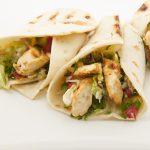


In the vibrant world of plant-based cuisine, few dishes capture the imagination quite like crispy gochujang tofu. This bold flavor journey takes humble tofu-a canvas often underestimated-and transforms it into a tantalizing masterpiece bursting with spicy, sweet, and savory notes.Whether you’re a seasoned vegan or simply a culinary adventurer seeking to elevate yoru weeknight dinners, mastering the art of crispy gochujang tofu promises not only a satisfying crunch but also an unforgettable taste experience. Join us as we dive into the techniques, tips, and secrets behind achieving that perfect golden crust and that unmistakable, fiery glaze that will bring zest and excitement to your kitchen creations.
mastering crispy gochujang tofu is a rewarding culinary adventure that brings bold Korean flavors and satisfying textures to your table. Known for its vibrant umami heat balanced with subtle sweetness, the gochujang marinade transforms simple tofu into a crave-worthy delight. This recipe not only unlocks the secrets to achieving that coveted golden crunch but also guides you through marrying the fiery depth and gentle sweetness of gochujang, producing a dish that’s as irresistible as it is approachable.
prep and Cook Time
- Planning: 15 minutes
- Marinating: 30 minutes (minimum)
- cooking: 12 minutes
- Total Time: 57 minutes
Yield
Serves 4 as a main or 6 as a side
Difficulty Level
Medium – Perfect for adventurous home cooks eager to explore bold Korean flavors.
Ingredients
- 400g extra-firm tofu, pressed and cut into 1-inch cubes
- 3 tablespoons gochujang (Korean red chili paste)
- 2 tablespoons soy sauce (low sodium recommended)
- 1 tablespoon sesame oil
- 1 tablespoon honey or maple syrup for vegan option
- 2 cloves garlic, minced
- 1 teaspoon grated fresh ginger
- 1 tablespoon rice vinegar
- 2 tablespoons cornstarch for coating
- 3 tablespoons vegetable oil for frying
- Sesame seeds and thinly sliced scallions for garnish
Instructions
- Prepare the tofu: After pressing and cubing the tofu, gently pat dry with paper towels to remove excess moisture, which is essential for crispiness.
- Make the marinade: In a medium bowl, whisk together the gochujang, soy sauce, sesame oil, honey, garlic, ginger, and rice vinegar until smooth and glossy.
- Marinate: Toss the tofu cubes carefully in the marinade, ensuring even coating. Cover and refrigerate for at least 30 minutes, allowing the bold flavors to penetrate deeply.
- Coat the tofu: Sprinkle cornstarch over the tofu and toss gently to coat each piece evenly. This step forms the delicate crust that locks in moisture.
- Heat the pan: Warm the vegetable oil over medium-high heat in a large non-stick skillet or cast-iron pan until shimmering but not smoking.
- Fry the tofu: Place the tofu cubes in a single layer, avoiding overcrowding. Sauté until golden brown and crispy on all sides, about 10-12 minutes, flipping carefully to prevent breaking. The cornstarch coating should turn a beautiful bronze.
- Drain and rest: Transfer tofu onto a wire rack or paper towels to drain excess oil, preserving that perfect crispiness.
- serve: Arrange tofu on a plate, drizzle any remaining marinade warmed gently in the pan if desired, and garnish with sesame seeds and scallions for a fresh finish.
Tips for Success
- Pressing tofu thoroughly is non-negotiable; the drier it is, the crisper it will fry.
- Don’t skip the cornstarch coating-it’s the secret weapon for crunchy edges that hold up under the sticky gochujang.
- If you prefer baked tofu, preheat your oven to 425°F (220°C) and bake coated tofu on a wire rack for 25 minutes, flipping halfway.
- For less heat, reduce gochujang by half and compensate with a touch more honey.
- Marinate up to 2 hours ahead to deepen flavor complexity,storing tofu refrigerated until cooking.
Serving Suggestions and Complementary Side Dishes for a Memorable Meal
Elevate your crispy gochujang tofu by pairing it with fluffy steamed jasmine rice or warm sticky rice,which soaks up the bold marinade beautifully. A crisp cucumber salad tossed with rice vinegar and sesame seeds offers a refreshing counterbalance to the dish’s spicy richness. for added crunch and earthiness, sauté garlic spinach or roasted sweet potatoes work harmoniously. Garnish generously with toasted sesame seeds and scallions for bursts of texture and color that delight both the eyes and palate.
| nutrient | Amount per Serving |
|---|---|
| Calories | 250 kcal |
| Protein | 15 g |
| Carbohydrates | 20 g |
| Fat | 14 g |
Try pairing it with homemade kimchi fried rice for a truly authentic Korean-inspired feast. For deeper understanding of gochujang’s history and uses, visit the Serious Eats guide to gochujang.

Q&A
Q&A: Mastering Crispy Gochujang Tofu – A Bold Flavor journey
Q1: What makes gochujang tofu a standout dish in Korean-inspired cuisine?
A1: Gochujang tofu combines the fiery, umami-rich punch of Korea’s iconic fermented chili paste with the delicate, versatile nature of tofu. This fusion creates a dish that’s both bold and comforting, balancing heat, sweetness, and savory depth. When the tofu is perfectly crispy,it adds an irresistible texture that elevates every bite.
Q2: How do you achieve that perfect crispy texture on the tofu?
A2: the secret is in preparation and patience. Start by pressing the tofu to remove excess moisture, then coat it lightly in cornstarch or potato starch for an extra-crisp crust. Pan-frying in a hot, well-oiled skillet ensures a golden, crunchy exterior that contrasts beautifully with the tender inside. Avoid overcrowding the pan to maintain that crispiness.
Q3: Can I use soft or silken tofu for this recipe?
A3: For the crispiest results,firm or extra-firm tofu is your best bet. Soft or silken tofu is to delicate to hold up in the frying process and won’t develop that coveted crunch. however,if you want a creamier texture,soft tofu could be used in a saucier version,though it won’t deliver the same crispiness.
Q4: What role does gochujang play beyond just heat?
A4: gochujang is a complex condiment-more than just spicy. It’s slightly sweet, deeply savory, and fermented, bringing layers of flavor that enhance the tofu without overpowering it. It adds a luscious glaze that caramelizes slightly when cooked, creating a sticky, flavorful coating that clings to the tofu cubes.
Q5: Are there any tips to balance the boldness of gochujang for those new to spicy food?
A5: Absolutely! Start with a smaller amount of gochujang and balance it with a touch of sweetness-honey, maple syrup, or sugar-to mellow the heat. Adding acidic elements like rice vinegar or lime juice brightens the dish and counters spiciness. Pairing the tofu with cooling sides like cucumber salad or a mild rice bowl helps mitigate the kick.
Q6: What sides or accompaniments best complement crispy gochujang tofu?
A6: Think fresh and simple contrasts: steamed jasmine rice, rapid-pickled veggies, crunchy kimchi, or crisp lettuce wraps.These sides provide texture and freshness that highlight the bold flavors while keeping the meal balanced and vibrant.For a heartier option, roasted root vegetables or sautéed greens also work beautifully.
Q7: Can this dish be made vegan and gluten-free?
A7: Yes, it can! Tofu is naturally vegan, and gochujang is frequently enough vegan, but always check the label to avoid hidden animal products or gluten. Use tamari or coconut aminos instead of soy sauce for a gluten-free version,and ensure any starch or oil used is free from gluten contamination. This way, the dish stays accessible and inclusive.
Q8: How can I incorporate gochujang tofu into meal prepping?
A8: Make a big batch of crispy tofu and store it separately from the sauce to retain crunch. Keep the gochujang glaze refrigerated and toss the tofu in it just before serving. The tofu reheats well when baked or pan-fried quickly to refresh its crispiness. Pack it with grains and veggies for a flavorful lunch that thrills on-the-go.
Q9: Any creative variations or twists to try beyond the classic recipe?
A9: Definitely! Try adding toasted sesame seeds or chopped peanuts for nuttiness, or finishing with fresh herbs like cilantro or green onions for brightness. Experiment by roasting the tofu rather of frying for a lighter take,or mixing gochujang with coconut milk for a creamy,spicy sauce. Incorporate other Korean staples like garlic or ginger to deepen the flavor profile.
Q10: Why is mastering crispy gochujang tofu worth the culinary effort?
A10: Beyond being a flavorful vegan dish, mastering this recipe teaches essential skills: tofu handling, flavor layering, and texture contrast.It’s a bold journey that transforms humble ingredients into an exciting culinary experience, showcasing the power of global flavors and inspiring creativity in your kitchen. Plus, it’s incredibly satisfying every time!
Concluding Remarks
As you close the chapter on mastering crispy gochujang tofu, remember that this vibrant dish is more than just a recipe-it’s an invitation to explore bold flavors and textures that dance on your palate. With each perfectly crisped bite, you capture the essence of Korean spice and savory depth, transforming humble tofu into a culinary adventure. So, armed with your newfound technique and flavorful flair, step into your kitchen confident and curious. Let gochujang tofu be your gateway to bold creativity, proving that plant-based cooking can be as exciting and dynamic as any bold flavor journey you embark upon.