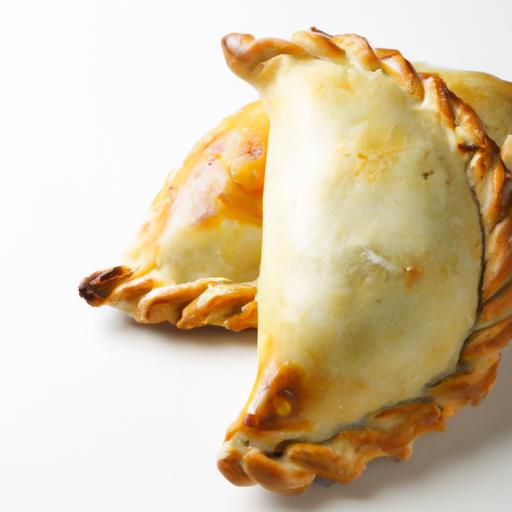

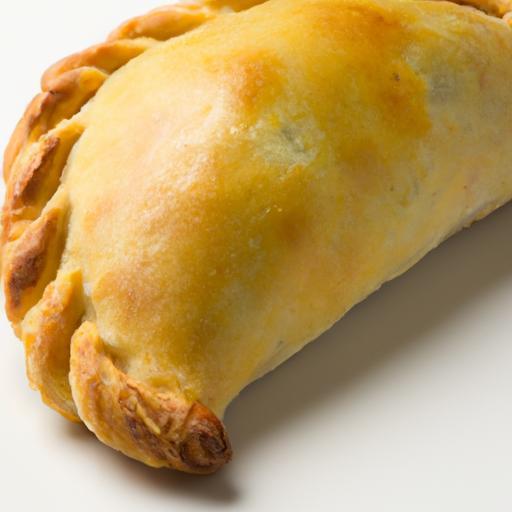
There’s something undeniably magical about biting into a golden,flaky empanada-a perfect harmony of crisp,buttery pastry and savory,flavorful filling. But behind every flawless empanada lies a dough that’s been carefully crafted, kneaded, and perfected. Mastering empanada dough is more than just following a recipe; it’s understanding the delicate balance of ingredients, the subtle techniques, and the little secrets that transform simple flour and fat into a tender, melt-in-your-mouth crust. In this article, we’ll unravel those secrets step by step, guiding you toward mastering empanada dough so that every pastry you create emerges flawless, delicious, and ready to impress. Whether you’re a seasoned baker or an adventurous home cook, get ready to elevate your empanada game to unbeatable levels.
Mastering Empanada Dough: Secrets to Perfect Pastry Every Time
Mastering empanada dough is an art that transforms humble ingredients into irresistibly flaky, tender pastries bursting with flavor. Whether inspired by Latin American traditions or a love for homemade comfort food, this guide will empower you to create dough with impeccable texture and elasticity every time.
Prep and Cook Time
- Planning: 20 minutes
- Resting time: 30 minutes
- Cooking (baking/frying): 20 minutes
- Total time: Approximately 1 hour 10 minutes
Yield
Makes about 12 medium-sized empanadas
Difficulty Level
Medium: Requires some finesse with dough handling but perfect for home cooks eager to elevate their pastry skills.
Ingredients
- 2 1/2 cups all-purpose flour, sifted
- 1/2 cup cold unsalted butter, cubed
- 1/4 cup vegetable shortening (optional, for extra flakiness)
- 1 teaspoon salt
- 2/3 cup ice-cold water (approximately)
- 1 large egg (for egg wash)
Instructions
- Combine Dry Ingredients: In a large bowl, whisk the sifted flour and salt to distribute evenly.
- Cut in the Fats: Using a pastry cutter or your fingertips, cut the cold butter and shortening into the flour until the mixture resembles coarse crumbs with pea-sized bits of butter visible.These chunks are key to a flaky texture.
- Add Ice-Cold Water Gradually: Pour in the ice-cold water a few tablespoons at a time, gently mixing with a fork or your hands just until the dough starts to come together. avoid overworking-elasticity comes from gentle handling.
- form the Dough: Shape the mixture into a ball, wrap it tightly in plastic wrap, and refrigerate for at least 30 minutes. This resting period allows the gluten to relax and the fats to firm, essential for avoiding tough empanadas.
- Roll Out with Care: Lightly flour your work surface and roll the dough to about 1/8-inch thickness.Use a round cutter (4 to 6 inches diameter) to cut circles.Avoid pressing too hard to keep layers intact.
- Fill and Seal: Place your filling in the center of each dough circle. Moisten edges with a touch of water, fold the dough over, and press edges together.Use a fork or traditional crimping technique for a secure seal that prevents leakage during baking.
- Apply Egg Wash & bake: Beat the egg and brush over the empanadas for a glossy, golden finish. Bake in a preheated 375°F (190°C) oven for 18-20 minutes until crisp and beautifully browned.
Tips for success
- Flour Choice: All-purpose flour offers balance, but swapping 1/4 cup for bread flour adds chewiness if preferred. Avoid cake flour to prevent overly soft pastry.
- Fat alternatives: Butter imparts a rich flavor, while shortening adds heftier flakiness. Combining both is a classic technique for tender yet crisp layers.
- Water temperature: Cold water is your friend-it prevents fats from melting too soon, preserving texture.
- Handling Dough: Keep your hands cool and flour your surface lightly to avoid sticking but don’t over-flour, which dries the dough.
- Rest Time: Don’t skip refrigeration-it’s crucial to relax gluten for supple dough and sharper puff during baking.
- Sealing Secrets: Using a small amount of water on the edges ensures a tight seal; pressing too hard can seal out those gorgeous layers.
Serving suggestions
Serve your golden empanadas warm, accompanied by vibrant chimichurri or a smoky salsa verde to contrast the richness. Garnish with freshly chopped cilantro or a sprinkle of thinly sliced green onions.Pair with a crisp white wine or sparkling beverage for a festive touch.
| Nutrient | Per Empanada (approx.) |
|---|---|
| Calories | 220 kcal |
| Protein | 4 g |
| Carbohydrates | 28 g |
| Total Fat | 9 g |

For more tips on perfecting your pastry skills and delicious Latin-inspired dishes, check out our Homemade Pie Crust Tips. Discover expert advice from King Arthur Baking, a trusted authority in baking science and pastry wisdom.
Q&A
Q&A: Mastering empanada dough – Secrets to Perfect Pastry Every Time
Q: What makes empanada dough different from other pastry doughs?
A: Empanada dough strikes a delicate balance between sturdy and tender. Unlike flaky puff pastry or ultra-buttery pie crusts, empanada dough needs enough strength to hold various fillings without breaking, yet it should be tender and slightly chewy to complement the savory or sweet contents. This texture harmony is achieved through precise ingredient ratios and careful handling.
Q: What are the essential ingredients for perfect empanada dough?
A: At its simplest, empanada dough requires flour, fat (usually butter, lard, or oil), a bit of salt, and a liquid-water or sometimes milk. Some recipes include an egg for richness and binding, while others skip it for a lighter finish. the choice of fat profoundly affects the dough’s texture and flavor; lard traditionalists swear by its superior flakiness, whereas butter adds subtle sweetness.
Q: How crucial is the type of flour used?
A: very! All-purpose flour is the most common and versatile choice, providing the right gluten content for structure without toughness. For a lighter texture, some bakers blend all-purpose with cake or pastry flour.Experimenting with whole wheat can add nuttiness but may demand extra hydration and gentle handling to avoid dense pastry.
Q: Should the fat be cold or room temperature?
A: Cold fat is the secret to tender,flaky empanadas. When cold fat is cut or rubbed into the flour, it creates tiny pockets that puff up during baking, giving flakiness and lightness. Warm or melted fat leads to a denser, tougher dough. So, keep butter or lard chilled and incorporate it quickly.
Q: How much kneading does empanada dough require?
A: Less is more! over-kneading develops gluten, making the dough tough and chewy in an undesirable way. Aim to mix until ingredients just come together and then gently knead once or twice to form a cohesive ball. From there, rest is critical to relax the dough and ease rolling.
Q: Why is resting the dough so crucial?
A: Resting (usually 30 minutes to an hour in the fridge) lets the gluten strands relax and the fat firm back up. This dual effect reduces shrinkage during baking and makes rolling effortless. Skipping rest can result in tough,resistant dough that cracks or tears.
Q: How thin should I roll out empanada dough?
A: The ideal thickness is about 1/8 inch (3 mm). too thick, and your empanadas become doughy and overshadow the filling; too thin, and they risk breaking when folded. Roll evenly and aim for that delicate balance.
Q: Any tips for sealing empanadas to prevent filling leakage?
A: Absolutely! moisten the edges with water or beaten egg wash before folding to create a strong seal. Then press edges firmly and crimp with a fork or pleat by hand. Proper sealing keeps the precious filling inside and creates that classic empanada look.
Q: Can empanada dough be made in advance?
A: Yes! Dough can be prepared, wrapped tightly, and refrigerated for up to 48 hours-or frozen for a month. Just let frozen dough thaw fully in the fridge before rolling to maintain texture.
Q: What’s the best baking temperature and time for empanadas?
A: Generally, baking at 375°F (190°C) for 20-25 minutes achieves a golden, crisp crust without drying out the filling. For a glossy finish, brush with egg wash before baking.
Q: Any secret techniques to elevate my empanada dough game?
A: Try adding a splash of vinegar or a pinch of baking powder to your dough-it can definitely help tenderize the gluten and enhance flakiness. Also,experiment with infusing your fat with herbs or spices for a subtle flavor boost that whispers beneath the filling.
Mastering empanada dough is a rewarding journey-one where patience, precision, and a touch of creativity unlock the perfect handmade pastry time after time. Ready to roll?
final Thoughts
As you wrap up your journey into the art of mastering empanada dough, remember that perfection lies not just in precise measurements, but in the rhythm of your hands and the patience of your heart. Each fold, each press, and each golden bake is a step closer to creating pastries that tell a story-a story of tradition, flavor, and craftsmanship. With these secrets tucked into your apron, you’re ready to transform simple ingredients into flaky masterpieces every time.So, roll up your sleeves, embrace the dough’s gentle resistance, and let your kitchen become a haven for empanada excellence. Happy baking!