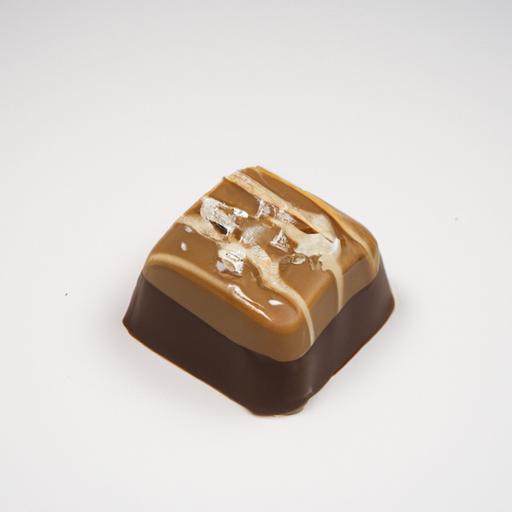

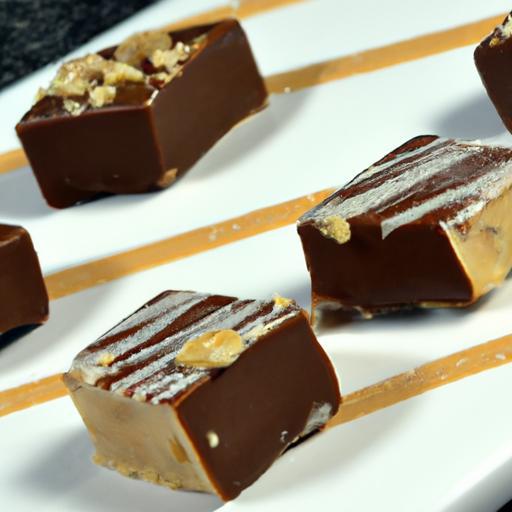
Imagine reaching for a silky bar of milk chocolate-its creamy sweetness promising a moment of pure indulgence. But for those navigating the maze of dietary sensitivities, one question quietly lingers: what about gluten? In a world where gluten-free has become more than just a trend, understanding the relationship between milk chocolate and gluten is essential.Whether you have celiac disease, gluten intolerance, or simply want to make informed choices, this guide will untangle the facts you need to know today, blending the delicious with the dietary in perfect harmony.
Milk chocolate & gluten form an intersection that often puzzles many dessert lovers, especially those navigating gluten sensitivities or celiac disease.Understanding this relationship is crucial to enjoying your favorite sweet treats safely. Milk chocolate, with its creamy texture and rich, indulgent flavor, can sometimes harbor hidden gluten sources, making label knowledge and careful ingredient selection vital.
Prep and cook Time
- Prep Time: 10 minutes
- Cook Time: 5 minutes (if used in baking or melting)
Yield
- Serves 4 as a snack or dessert element
Difficulty Level
- Easy
Ingredients
- 200g gluten-free milk chocolate (check for certified gluten-free labels)
- 1 tbsp unsalted butter (optional, for smoother melting)
- Assorted gluten-free toppings: crushed nuts, freeze-dried fruit, or gluten-free cookie crumbs
Instructions
- Read ingredient labels carefully. Begin by examining your milk chocolate’s packaging for any gluten-containing additives like barley malt, wheat starch, or gluten-based thickeners.
- Melt the milk chocolate gently. Place the chocolate and butter (if using) in a heatproof bowl over simmering water, stirring frequently to prevent scorching and ensure smooth texture.
- Prepare your safe toppings. While chocolate melts,arrange your gluten-free toppings in small bowls to customize texture and flavor.
- Combine for creative treats. Use the melted milk chocolate as a dip or drizzle for gluten-free biscuits, fruits, or nuts, giving your dessert a luscious, safe twist that everyone can enjoy.
- Allow to set. Let dipped elements rest on parchment paper at room temperature or in the fridge for quicker firming before serving.
Chef’s Notes: Tips for Success
- Always choose milk chocolate with a certified gluten-free mark. Cross-contamination in factories is a hidden risk.
- Avoid chocolates labeled “may contain traces of wheat or gluten.” When in doubt, opt for brands dedicated to gluten-free production.
- storage matters: Keep milk chocolate sealed tightly in a cool, dry place to maintain freshness and prevent moisture damage.
- Customize toppings for festive appeal: Think toasted coconut, edible gold leaf, or a sprinkle of pink Himalayan salt for an exquisite finish.
- Make ahead: Melted milk chocolate can be stored refrigerated for up to one week; re-melt over low heat as needed.
Serving Suggestions
Present your milk chocolate creations elegantly by drizzling over gluten-free vanilla cupcakes or using as a fondue dip next to fresh strawberries and banana slices. Garnish with vibrant freeze-dried raspberries or crushed pistachios for vivid colour and satisfying crunch. A spill of edible flowers or microgreens adds an artisanal touch that delights the eyes before the palate. For a cozy experience, pair your chocolate treats with a frothy cup of lavender-infused almond milk latte.

| Nutrient | Per Serving |
|---|---|
| Calories | 210 kcal |
| Protein | 3g |
| Carbohydrates | 25g |
| Fat | 12g |
For a deeper dive into gluten-free baking techniques, check out our complete guide on gluten free baking basics. Also, visit the Celiac Disease Foundation for trusted data on maintaining a gluten-free lifestyle.
Q&A
Milk Chocolate & Gluten: What You Need to Know Today
Q1: Is milk chocolate naturally gluten-free?
A1: great question! Pure milk chocolate-made from cocoa, milk, and sugar-is naturally gluten-free. Cocoa beans and milk don’t contain gluten, so in theory, milk chocolate itself is safe for those avoiding gluten. However, things get trickier when we look at the extras.
Q2: Why isn’t all milk chocolate guaranteed gluten-free then?
A2: The devil is in the details! Many milk chocolates come with added ingredients like cookie pieces, wafers, or malt flavorings, which frequently enough contain gluten. Plus, cross-contamination can happen during manufacturing if shared equipment processes gluten-containing products. So, always check labels and manufacturer statements.
Q3: Can someone with celiac disease safely enjoy milk chocolate?
A3: Absolutely, but with caution. If the milk chocolate product is certified gluten-free or specifically states “gluten-free” on the packaging, its generally safe for peopel with celiac disease. For those with severe sensitivities, sticking to trusted brands and single-ingredient chocolates can definitely help avoid unexpected gluten.
Q4: Are there any hidden gluten risks in flavored milk chocolates?
A4: Yes! Flavored milk chocolates-such as cookie dough, caramel pretzel, or mocha-frequently enough contain gluten-laden ingredients or flavor additives derived from gluten sources. Always scrutinize ingredient lists and allergen warnings before indulging.
Q5: How can consumers ensure they’re choosing gluten-free milk chocolate?
A5: Smart shoppers look for clear gluten-free labels, certifications from credible organizations, and read ingredient lists thoroughly. When in doubt, contact the manufacturer for clarification or choose brands known for strict gluten-free practices.
Q6: Does milk chocolate processed in the same factory as gluten-containing products pose a risk?
A6: It can. shared equipment may cause cross-contact, which can be risky for highly sensitive individuals. Manufacturers typically note this risk in allergy statements like “may contain traces of wheat.” if you have celiac disease or a gluten allergy, this warning shouldn’t be ignored.
Q7: Is dark chocolate safer than milk chocolate when it comes to gluten?
A7: Not necessarily. Both dark and milk chocolates can be contaminated or contain added gluten ingredients depending on the recipe and factory conditions. The safety depends more on labeling and manufacturing processes than chocolate type.
Q8: any tips for enjoying milk chocolate safely on a gluten-free diet?
A8: Yes! Opt for plain or minimally processed milk chocolates labeled gluten-free, buy from trusted brands, and avoid mixed treats with crunchy add-ins unless certified gluten-free. When in doubt,moderation and awareness are your best friends.
Q9: Why is it significant to know about milk chocolate and gluten today?
A9: With rising gluten sensitivities and celiac diagnoses, plus the booming popularity of artisanal and flavored chocolates, being informed prevents accidental gluten exposure.Enjoying your chocolate without worries makes for a sweeter experience all around!
Enjoy your milk chocolate responsibly - knowledge is the tastiest ingredient!
Wrapping Up
In the sweet world of milk chocolate, navigating gluten can feel like a tricky twist in an otherwise smooth treat.Whether you’re savoring a classic bar or indulging in a decadent dessert,understanding the nuances of gluten presence is key to enjoying milk chocolate with confidence. By staying informed and reading labels carefully,you can continue to delight in this beloved confection without worry. After all, knowledge is the richest ingredient of all when it comes to treating yourself safely and deliciously. So go ahead-unwrap that creamy bliss and savor every bite, knowing you’ve got the facts to back it up.