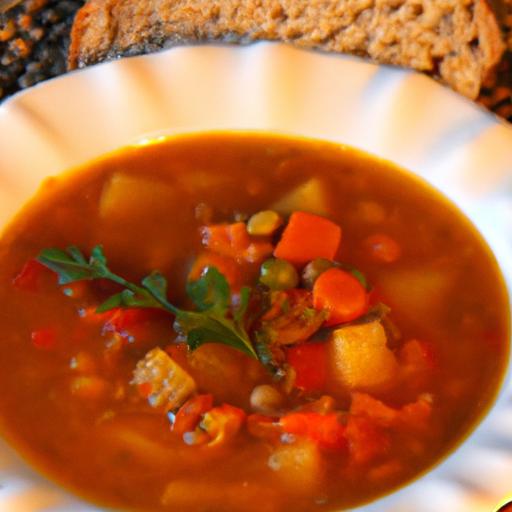

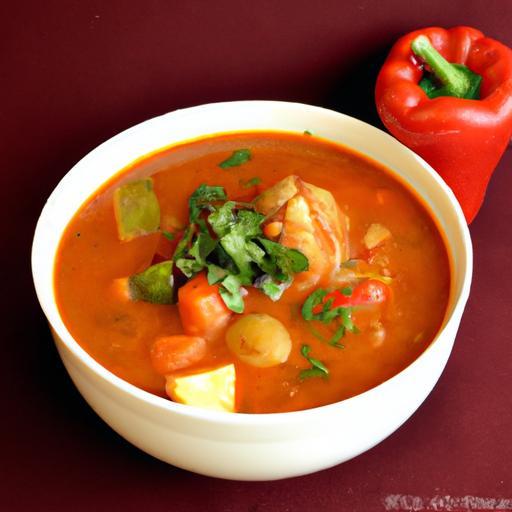
In the bustling markets of Marrakech and the quite corners of Moroccan homes, a fragrant pot simmers slowly, releasing enticing aromas that tell tales of heritage and hospitality.Harira soup,a beloved staple of Moroccan cuisine,is far more than just a meal-it is a flavorful tradition steeped in history and culture.Each spoonful of this rich, spiced broth carries the warmth of family gatherings, the rhythm of ramadan evenings, and the artistry of generations who have perfected its recipe. Join us as we delve into the vibrant world of Moroccan Harira soup, uncovering the secrets behind its distinctive blend of ingredients and the deep-rooted significance it holds in every savory sip.
Moroccan Harira soup is a culinary icon, deeply woven into the cultural and past fabric of Morocco. Traditionally enjoyed to break the fast during Ramadan, this hearty soup combines a blend of fresh herbs, legumes, tender meat, and a rich tomato base, creating an unforgettable harmony of flavors in every spoonful.Each simmering pot tells a story of centuries-old traditions and family gatherings, inviting you to experience a vibrant taste of Moroccan hospitality right at home.
Prep and Cook Time
- planning: 20 minutes
- Cooking: 1 hour 15 minutes
- Total Time: 1 hour 35 minutes
Yield
- 6 generous servings
Difficulty Level
- Medium – Perfect for home cooks eager to explore authentic Moroccan cuisine
Key Ingredients That Bring Harira to Life
- 1 cup dried chickpeas (soaked overnight and drained)
- 1/2 cup brown lentils, rinsed
- 250g lamb or beef stew meat, cut into small cubes
- 2 large onions, finely chopped
- 4 ripe tomatoes, pureed or finely chopped
- 1/4 cup tomato paste
- 1/2 cup fresh parsley, chopped
- 1/2 cup fresh cilantro, chopped
- 2 celery stalks, finely diced
- 1/2 cup all-purpose flour, sifted (for thickening)
- 2 large eggs (optional, for velvety texture)
- 1 tsp ground ginger
- 1 tsp turmeric
- 1 tsp cinnamon
- 1 tsp black pepper
- Salt to taste
- 3 tbsp olive oil
- 8 cups beef or vegetable broth
- Juice of one lemon
Step by Step Guide to Preparing Authentic Harira
- Soak and Prepare Legumes: Begin by soaking the dried chickpeas overnight to soften. Drain and rinse before cooking to ensure a creamy texture in the soup.
- Sear the meat: In a large heavy-bottomed pot, heat 3 tbsp olive oil over medium heat. Add the lamb cubes and cook until nicely browned, about 7 minutes. This develops a deep, savory base flavor.
- Sauté aromatics: Add the finely chopped onions, celery, parsley, and cilantro to the pot. Cook for 5 minutes,stirring occasionally,until softened and fragrant.
- Add spices and tomatoes: Stir in ground ginger, turmeric, cinnamon, and black pepper, letting the spices toast gently for 1 minute. Mix in the tomato paste and pureed tomatoes, cooking until the mixture thickens slightly, about 5-7 minutes.
- simmer with broth and legumes: Pour in 8 cups of broth.Add the soaked chickpeas and rinsed lentils. Season with salt and bring the soup to a gentle boil. Lower heat and cover, simmering for about 1 hour until meat and legumes are tender.
- Prepare the thickening mixture: In a small bowl, whisk the flour with 1 cup of cold water until smooth. Gradually whisk this slurry into the soup, stirring continuously to avoid lumps. This enriches the texture to a luscious, velvety consistency. cook for an additional 10 minutes.
- Optional egg swirl: beat the eggs with lemon juice in a separate bowl. Slowly drizzle into the simmering soup while stirring gently to create fine ribbons,adding a silky finish.
- Final taste adjustments: check for seasoning and add salt or lemon juice to brighten the flavors. Let the soup rest off heat for 5 minutes before serving.
Tips for Serving and Pairing Harira With Conventional Dishes
moroccan Harira soup shines best when served piping hot, accompanied by traditional sides that complement its complex flavors.Garnish with a sprinkle of fresh parsley or cilantro and a wedge of lemon to enhance its brightness. Pair it with warm, fluffy khobz bread for dipping-your spoonfuls of savory richness will be elevated by the rustic crust.
For a complete Moroccan-style meal, serve Harira alongside sweet dates (a customary accompaniment during Ramadan) and a refreshing glass of Moroccan mint tea. These classic pairings create a balance of textures and flavors that invite lingering conversations and shared warmth at the table.
Chef’s Notes: Tips for Success
- Make ahead: Harira’s flavors deepen the next day; reheat gently before serving.
- Legume variations: Try substituting brown lentils with red lentils for a faster cook time.
- Vegetarian option: Omit meat and use vegetable broth; add extra mushrooms or tofu for protein.
- Consistent stirring: When adding the flour slurry, stir constantly to prevent clumping and achieve a smooth texture.
- Adjust thickness: Add more broth if the soup becomes too thick during reheating.
| Nutritional Info (per serving) | Calories | Protein | Carbs | Fat |
|---|---|---|---|---|
| Harira Soup | 320 kcal | 22g | 35g | 8g |

Q&A
Q&A: Moroccan Harira Soup – A Flavorful Tradition in Every Sip
Q: What is Moroccan harira Soup?
A: Moroccan Harira is a hearty, fragrant soup that embodies the soul of Moroccan culinary tradition. it’s a vibrant blend of tomatoes, lentils, chickpeas, tender meat (usually lamb or beef), fresh herbs, and a unique mix of warm spices. Frequently enough enjoyed during Ramadan to break the fast, Harira offers comfort and nourishment in every spoonful.
Q: Where did Harira originate?
A: Harira’s roots trace back centuries in Moroccan cuisine, evolving as a beloved staple especially during religious and festive occasions. Its rich layers of flavor tell a story of Moroccan hospitality and history, blending Berber, Arab, and Mediterranean influences into a timeless recipe.Q: What makes Harira so special compared to other soups?
A: beyond its robust taste, Harira is a celebration of contrasting textures and aromas-silky broth meets tender meat, earthy legumes, and fragrant herbs like cilantro and parsley. The secret ofen lies in the balance of spices like cinnamon, ginger, and turmeric, which create a comforting warmth that lingers long after the last sip.
Q: How is Harira traditionally served?
A: Traditionally, Harira is ladled into bowls and enjoyed with slices of freshly baked Moroccan bread called khobz, perfect for dipping. During Ramadan, it’s frequently enough served alongside sweet dates and chebakia (fried sesame cookies), forming a harmonious trio that honors both body and spirit.
Q: Can Harira be made vegetarian or vegan?
A: Absolutely! While the classic version includes meat, many modern cooks adapt Harira with extra lentils, chickpeas, and vegetables to create a vegetarian or vegan version without sacrificing depth or heartiness. The spices and herbs remain the star players, delivering that signature Moroccan warmth.
Q: What cultural significance does harira hold in Morocco?
A: Harira is much more than soup; it’s a symbol of generosity,family,and tradition. Preparing and sharing Harira is an act of communal love and celebration, a culinary ritual that brings people together-whether at a bustling Ramadan table or a cozy gathering on a chilly evening.
Q: How can someone new to Moroccan cuisine enjoy Harira?
A: For those new to Moroccan flavors, Harira is an inviting introduction: it balances rich spices with familiar ingredients like tomatoes, lentils, and herbs.Pair it with warm bread, and you’ve got a appetizing, nourishing meal that’s both exotic and comforting-a perfect way to savor Morocco’s culinary heritage one flavorful spoonful at a time.
In Summary
As the fragrant aromas of Moroccan Harira soup linger in the memory,it becomes clear that this dish is far more than a comforting meal-it is a vibrant tapestry of history,culture,and community woven into every spoonful. Each sip carries the warmth of family gatherings, the richness of ancient recipes passed down through generations, and the spirit of celebration that defines Moroccan hospitality. Whether enjoyed during Ramadan or shared on an ordinary day, Harira invites us to savor not just its bold flavors, but the stories and traditions it embodies. In embracing this flavorful tradition, we open a delicious window into Morocco’s heart, one bowl at a time.