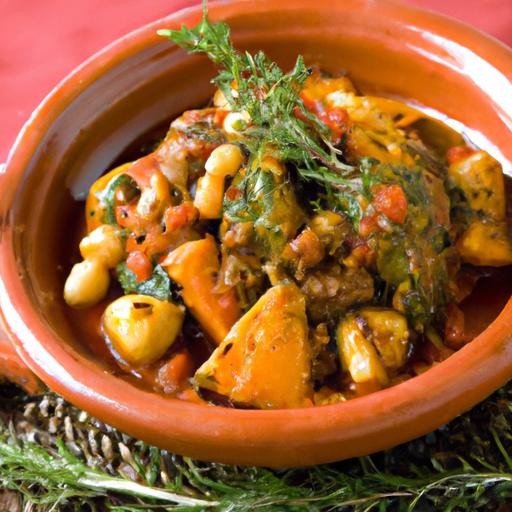

In the heart of Morocco’s bustling medinas and sun-drenched patios simmers a culinary treasure as rich and vibrant as the culture itself: the tagine. This iconic dish, named after the distinctive earthenware pot that cradles it, is far more than a meal-it’s a fragrant journey through centuries of tradition, spices, and storytelling. With each slow-cooked bite, the tagine reveals complex layers of flavor, where tender meats, fresh vegetables, and exotic spices unite in harmonious warmth. Join us as we explore the origins, ingredients, and timeless techniques behind Moroccan tagine, uncovering how this flavorful masterpiece continues to captivate palates around the world.
Exploring the Origins and Cultural Significance of the Moroccan Tagine
Moroccan Tagine is much more than just a dish; it is indeed a flavorful journey into spiced tradition that opens a window into the rich cultural tapestry of Morocco. Rooted in Berber heritage and perfected over centuries, this slow-cooked stew is traditionally prepared in a conical clay pot called a tagine, which allows steam to circulate and keep the ingredients tender and infused with aromatic spices. Whenever I prepare or savor a tagine, I am transported to bustling Moroccan souks where the air is heavy with cumin, cinnamon, and preserved lemons-a sensory experience that celebrates connection, hospitality, and the art of sharing food.
This dish’s significance extends beyond its delightful taste. Moroccan Tagine is often at the heart of communal meals, symbolizing warmth and generosity. Whether prepared with tender lamb, fragrant chicken, or vibrant vegetables, every tagine tells a story of local ingredients, historic spice routes, and age-old cooking traditions that continue to thrive today.
Mastering the Art of Spice Blends for Authentic Tagine Flavors
Creating an authentic Moroccan Tagine starts with mastering the balance of spices that define its character. The signature blend-often called ras el hanout-embraces a mix of ground cinnamon, ground ginger, turmeric, cumin, paprika, and sometimes hints of cloves or cardamom. The aroma of these spices toasted lightly before cooking elevates every element of the dish.
Pro tip: Toast whole spices like coriander seeds and fennel, then grind them fresh to create an intensely fragrant blend. This simple step instantly brings that authentic Moroccan essence to your tagine and distinguishes it from other slow-cooked stews.
Essential Ingredients and Equipment for Perfecting Your Tagine
While a conventional tagine pot beautifully completes the experience, a heavy-bottomed Dutch oven or ceramic casserole dish can serve as excellent alternatives at home. Here are the must-have ingredients and equipment:
- Spices: ras el hanout or your own blend, ground ginger, cumin, cinnamon, turmeric
- Protein: lamb shoulder, chicken thighs, or root vegetables for a vegetarian version
- aromatics: yellow onions, garlic, fresh ginger
- Flavor enhancers: preserved lemons, green olives, dried apricots or prunes
- Herbs: fresh cilantro and parsley
- Cooking vessel: traditional tagine pot or Dutch oven
Prep and Cook Time
- Planning: 20 minutes
- Cooking: 1 hour 45 minutes
- Total: 2 hours 5 minutes
Yield
Serves 4 generously
Difficulty Level
Medium – requires some attention to slow cooking and spice blending
Ingredients
- 2 lbs lamb shoulder, cut into 2-inch chunks
- 2 tbsp olive oil
- 1 large onion, finely chopped
- 3 cloves garlic, minced
- 1 tbsp ginger, freshly grated
- 1 tsp ground cumin
- 1 tsp turmeric
- 1 tsp paprika
- 1 tsp ground cinnamon
- 1 tsp ras el hanout
- 1 cup chicken broth or water
- 1 preserved lemon, pulp removed, rind thinly sliced
- 1/2 cup green olives, pitted
- salt and black pepper, to taste
- Fresh cilantro and parsley, chopped, for garnish
Instructions
- Heat olive oil in your tagine or Dutch oven over medium heat. Add the lamb pieces and brown evenly on all sides, about 5-7 minutes. Remove and set aside.
- Sauté the chopped onion, garlic, and grated ginger in the same pot until translucent and fragrant, about 5 minutes, stirring occasionally.
- Add all spices (cumin, turmeric, paprika, cinnamon, ras el hanout) and toast gently for 1 minute to release thier aromas. Stir often to avoid burning.
- Return the browned lamb to the pot. Season with salt and black pepper. Stir to coat meat in the spice mixture.
- Pour in the chicken broth, scraping the bottom of the pot to deglaze and mix all flavors.
- Scatter the preserved lemon slices and green olives atop the meat. Cover with the tagine lid or pot lid.
- Reduce heat to low and simmer gently, allowing the meat to become tender, about 1 hour 45 minutes. Check occasionally to ensure it’s not drying out; add small amounts of water if necessary.
- Once the lamb is tender,uncover and increase heat for 5-10 minutes to thicken the sauce,if needed.
- sprinkle with fresh chopped cilantro and parsley and serve instantly.
Tips for Success
- Make it ahead: Tagines taste even better the next day after flavors have further melded. Reheat gently with a splash of broth.
- Vegetarian option: Use hearty root vegetables such as carrots, sweet potatoes, and chickpeas instead of meat.
- Adjust spice blends: Feel free to tailor ras el hanout intensity; adding a pinch of cayenne can awaken the palate.
- preserved lemons: If unavailable, substitute with a mix of fresh lemon zest and a pinch of sea salt.
Serving Suggestions
This moroccan Tagine is best enjoyed with fluffy couscous or warm, crusty bread to soak up the fragrant sauce. Garnish liberally with additional fresh herbs and a few extra preserved lemon slices for an inviting presentation. For an added touch, serve alongside a simple carrot and orange salad dressed with cinnamon and olive oil, complementing the dish’s warm spices beautifully.

| Nutrient | Amount per serving |
|---|---|
| Calories | 450 kcal |
| Protein | 38 g |
| Carbohydrates | 12 g |
| Fat | 28 g |
For more in-depth exploration of spice blends and North African culinary techniques, check out this comprehensive guide by Britannica. Also, don’t miss our related recipe on Authentic Moroccan couscous that pairs wonderfully with this classic tagine.
Q&A
Q&A: Moroccan Tagine – A Flavorful Journey into Spiced Tradition
Q1: What exactly is a Moroccan tagine?
A1: At its heart, a Moroccan tagine is both a cooking vessel and a style of slow-cooked stew that brings together a symphony of spices, meats, vegetables, and dried fruits. The tagine pot itself is distinctive-ceramic or clay,with a wide shallow base and a tall conical lid designed to trap steam and circulate flavors,resulting in tender,aromatic dishes.
Q2: how did the tagine become such a staple in Moroccan cuisine?
A2: The tagine’s history is woven deeply into Morocco’s cultural tapestry, dating back centuries to berber tribes in North Africa. It evolved as a practical way to cook over open fires, preserving moisture and infusing flavors slowly. Over time, Arab, Andalusian, and Mediterranean influences layered in aromatic spices and ingredients, making it the emblematic comfort food of the region.
Q3: What are the key spices and ingredients that define a traditional tagine?
A3: Moroccan tagines are a fragrant melody of spices like cumin, coriander, cinnamon, ginger, turmeric, and saffron-each adding a warm, earthy or subtly sweet note.Ingredients often include lamb or chicken, preserved lemons, olives, dried apricots or prunes, chickpeas, and fresh herbs such as cilantro and parsley. This blend creates a balance of savory, sweet, and tangy that’s unmistakably Moroccan.
Q4: How does the tagine cooking method affect the flavor and texture of the dish?
A4: The magic lies in the tagine’s unique shape and slow cooking process. The conical lid captures rising steam, which condenses and trickles back into the dish, keeping the food moist and tender. This gentle,indirect heat melds spices and ingredients together deeply,allowing flavors to layer and intensify in a way that speedy cooking can’t achieve.Q5: Can tagine dishes be adapted for modern kitchens?
A5: Absolutely! While traditional clay tagines are ideal, many home cooks use heavy-bottomed Dutch ovens or slow cookers to mimic the slow, gentle cooking environment. The essence of a tagine lies in slow simmering spices and ingredients rather than the specific pot. Modern twists might include incorporating local vegetables or pairing tagine flavors with grains like quinoa or couscous.
Q6: What makes Moroccan tagine more than just a meal?
A6: Beyond flavor, a tagine is an experience-a ritual steeped in hospitality and communal sharing. It embodies Morocco’s rich history, blending diverse cultures and climates into one pot. Sharing a tagine meal invites connection,storytelling,and celebration,turning dining into a heartfelt journey through tradition and taste.
Q7: How can beginners start exploring tagine cooking at home?
A7: Start simple: pick a basic recipe with chicken, preserved lemons, olives, and a mild spice blend. Invest in a tagine pot if possible, but don’t fret if you don’t have one-your slow cooker or Dutch oven will do. Be patient and allow the dish to simmer gently. As you grow cozy, experiment with different meats, fruits, and spice combinations to craft your own flavorful chapter in this timeless tradition.
In Conclusion
As the fragrant steam rises from a simmering tagine,it carries with it centuries of history,culture,and culinary artistry.Moroccan tagine is more than just a dish; it’s a flavorful journey into the heart of spiced tradition, where every blend of saffron, cumin, and preserved lemon tells a story. Whether you’re a seasoned chef or a curious foodie, exploring tagine opens a gateway to Morocco’s rich tapestry of tastes and techniques. So next time you savor this slow-cooked marvel, remember you’re not just enjoying a meal-you’re partaking in a timeless celebration of flavor and heritage.