
Every year, as autumn’s crisp air ushers in the vibrant celebrations of Mexico’s day of the Dead, a sweet and fragrant treasure emerges from ovens across the country: Pan de Muerto. This iconic bread, rich in symbolism and tradition, is far more than just a dessert-it is indeed a heartfelt offering, a culinary bridge between the living and the departed. With its tender crumb,sugar-kissed crust,and distinctive decorations that tell stories of life and loss,Pan de Muerto invites us to explore the deep cultural roots and joyful remembrance woven into this beloved holiday. Join us as we delve into the history, meaning, and recipes behind this tasty emblem of memory and celebration.
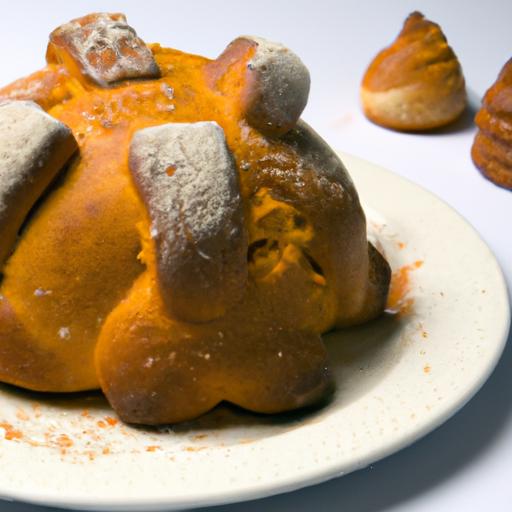
Pan de Muerto is a beloved staple of Día de los Muertos celebrations, carrying centuries of history and meaning baked into its golden, sugary crust. This sweet bread not only delights the senses with its fragrant orange blossom and anise notes but also serves as a poignant symbol of remembrance, connecting families to their ancestors. As you embark on this baking journey, the aroma of buttery dough and citrus zest will fill your kitchen, evoking the vibrant traditions of Mexico’s most heartfelt holiday.
Prep and Cook Time
- Readiness: 30 minutes
- Proofing/Rising: 2 hours
- baking: 30 minutes
- Total Time: Approximately 3 hours
Yield
1 medium pan de muerto, serving 8 to 10 people
Difficulty Level
Medium – ideal for bakers comfortable with yeast breads but approachable for adventurous beginners willing to follow detailed steps.
Ingredients
- 4 cups all-purpose flour, sifted
- 1/2 cup granulated sugar
- 2 1/4 tsp active dry yeast (1 packet)
- 1/2 cup whole milk, warm (about 110°F/43°C)
- 1/2 cup unsalted butter, softened
- 4 large eggs, at room temperature
- 1 tbsp orange zest (preferably from fresh oranges)
- 1 tsp anise seed or 1/2 tsp anise extract
- 1/2 tsp salt
- 1 tsp orange blossom water (optional but traditional)
- Additional melted butter and sugar for finishing
Instructions
- Activate the Yeast: in a small bowl, combine the warm milk with 1 teaspoon of sugar and the active dry yeast.Stir gently and let it sit for 5-10 minutes untill foamy. This ensures your yeast is alive and ready.
- Mix Dry Ingredients: In a large mixing bowl,whisk together the sifted flour,remaining sugar,salt,orange zest,and anise seeds or extract. Set aside.
- Combine Wet Ingredients: Using a stand mixer fitted with a dough hook or by hand, beat the eggs lightly.Add the softened butter and orange blossom water, mixing until well combined.
- Make the Dough: Add the activated yeast mixture to the wet ingredients, then slowly incorporate the dry flour mixture. Knead on medium speed for 8-10 minutes until the dough is soft,elastic,and slightly tacky but not sticky. Add a teaspoon of flour or splash of milk as needed to adjust consistency.
- First Rise: Form the dough into a ball, place it in a lightly greased bowl, and cover it with a damp cloth or plastic wrap. Let it rise in a warm spot for about 1.5 to 2 hours, or until it doubles in size.
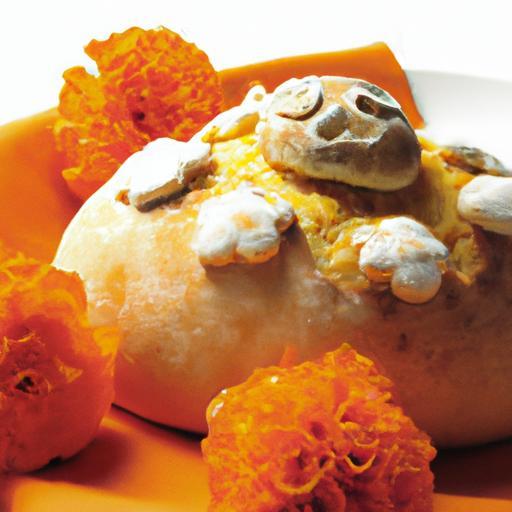
- shape the Bread: After rising, punch down the dough gently and transfer it to a floured surface. Portion off about 1/5 of the dough to craft the characteristic bone-shaped decorations: roll small strips and balls to represent the skull and bones. Shape the main portion into a smooth round loaf.
- Second Rise: Place the loaf on a parchment-lined baking sheet and arrange the “bones” decoratively across the top. Cover loosely and let rise for another 45 minutes to 1 hour until puffy.
- Bake: Preheat your oven to 350°F (175°C). Brush the bread gently with a little melted butter (reserve some for after baking) and bake for 30-35 minutes, or until the bread is golden brown and sounds hollow when tapped on the bottom.
- Finish: Remove from oven and while still warm, brush generously with melted butter and sprinkle with granulated sugar for that signature sparkle and sweetness.
- Cool and serve: Allow to cool wholly on a wire rack before slicing to preserve crumb texture. Enjoy warm or at room temperature for the best flavor and aroma.
Chef’s Notes & Tips for Success
- Yeast Matters: Use fresh, active dry yeast for best results. If using instant yeast, reduce proofing time slightly as it acts faster.
- Flavor Variations: Some regions add a hint of cinnamon or bittersweet chocolate chips to the dough for local flair. Experiment with small batches to find your favorite twist.
- Make ahead: This dough can be prepared the night before and allowed to rise slowly in the fridge for a deeper flavor growth. Bring to room temperature before shaping.
- Glaze Tips: For a glossy finish, use egg wash (1 beaten egg with 1 tbsp water) instead of butter before baking but always apply sugar after baking to maintain the sweet texture.
- Storage: Pan de Muerto is best enjoyed within 2 days but can be wrapped tightly and frozen up to 2 weeks. Refresh in a warm oven before serving.
Serving Suggestions
The comforting sweetness of Pan de Muerto pairs beautifully with warm beverages and festive offerings. Try it alongside a cup of rich Mexican hot chocolate or traditional atole, a creamy maize drink flavored with cinnamon and vanilla. For a modern twist, a crisp glass of sparkling apple cider or lightly spiced chai tea complements the orange and anise notes wonderfully.
Garnish your serving platter with vibrant marigold petals and sugar skull figurines to honor the Day of the Dead symbolically. Slice thick portions and serve with a dab of cinnamon butter or lightly whipped cream for extra indulgence.
| Nutritional Info (per slice) | Amount |
|---|---|
| Calories | 230 |
| Protein | 5g |
| Carbohydrates | 35g |
| Fat | 8g |

For more traditional Mexican breads, explore our Conchas recipe and discover the diverse flavors of Mexican baking.
Q&A
Q&A: Pan de Muerto – Exploring the Sweet Bread of Day of the Dead
Q1: What exactly is Pan de Muerto?
A1: Pan de Muerto, or “Bread of the Dead,” is a traditional Mexican sweet bread baked especially for Día de los Muertos (day of the Dead).It’s a soft, aromatic loaf frequently enough flavored with orange blossom water, anise, and citrus zest, and decorated with dough shaped to resemble bones and tears-symbolizing the circle of life and the departed souls.
Q2: Where does Pan de Muerto originate?
A2: Pan de muerto has its roots in pre-Hispanic indigenous rituals honoring ancestors. After the Spanish conquest, the bread evolved by blending indigenous customs with European baking traditions, resulting in the iconic sweet bread that serves as both food and offering during Día de los Muertos celebrations.
Q3: What is the symbolism behind the design of Pan de Muerto?
A3: The bread is as meaningful as it is delicious. The round shape represents the cycle of life and death. The bone-like decorations placed across the top signify the deceased’s bones, while the small tear-like shapes represent the sadness of loss. Sprinkling sugar over these “bones” can symbolize the sweet remembrance of those who have passed on.
Q4: How is Pan de muerto typically enjoyed?
A4: traditionally,families place pan de Muerto on altars (ofrendas) alongside photos,marigolds,candles,and favorite foods of their departed loved ones. After the rituals, the bread is shared among family and friends-often paired with hot chocolate or coffee-turning remembrance into a festive, communal occasion.
Q5: Are there regional variations of Pan de Muerto?
A5: Absolutely! Across Mexico, you’ll find variations in shape, flavor, and toppings. Some regions add sesame seeds or incorporate fillings like piloncillo (unrefined cane sugar) or fruits. In the south, it might be less sweet or spiced differently, reflecting local tastes and traditions.
Q6: Can Pan de Muerto be made at home?
A6: Yes! Making pan de Muerto at home is a lovely way to participate in the Day of the Dead tradition. It requires patience and love-mixing yeast dough with fragrant spices,shaping the symbolic bones,letting the bread rise,baking until golden,and finally dusting it with sugar for that perfect sweet finish.Q7: why is Pan de Muerto crucial beyond just being a tasty treat?
A7: Pan de Muerto embodies remembrance, culture, and connection. It’s a tangible link between the living and the dead, a ritual that honors ancestors and celebrates life’s fleeting beauty. Each bite carries stories, memories, and the sweet comfort of tradition passed down through generations.
Q8: How has Pan de Muerto influenced popular culture?
A8: This sweet bread has transcended its traditional roots, inspiring art, literature, and even international bakery menus. It’s become a symbol of Mexican heritage,recognized worldwide especially after films like coco brought global attention to Día de los Muertos,inviting people everywhere to appreciate the beauty of honoring those who came before us.
Exploring Pan de muerto is more than learning about a delicious bread-it’s a journey into a rich cultural tapestry where flavor, art, and memory intertwine, reminding us that death, like life, is a shared human experience sweetened by love and remembrance.
Concluding Remarks
As the aroma of freshly baked pan de muerto lingers in the air,it serves as more than just a sweet treat; it is a tender thread connecting generations,memories,and traditions.This humble bread, adorned with its symbolic shapes and dusted generously with sugar, invites us to partake in a celebration of life and remembrance. Whether savored at an altar surrounded by marigolds or shared among family around the breakfast table, pan de muerto embodies the bittersweet beauty of honoring those who have passed while embracing the joy of the present. In every bite, we taste history, culture, and the enduring spirit of the day of the Dead.