
In a world where culinary adventures frequently enough come with hidden dietary pitfalls, finding a dish that bursts with vibrant flavor while keeping gluten at bay can feel like a rare treasure. Enter gluten-free Pad Thai-a delightful twist on the beloved Thai street food classic that promises all the tangy, nutty, and savory goodness without the worry.Whether you’re navigating gluten intolerance or simply seeking a wholesome option, this reinvented Pad Thai invites you to savor every bite with confidence. Join us as we explore how to craft this flavorful, safe dish that honors tradition while embracing modern dietary needs.
Savor Gluten-Free Pad Thai brings the vibrant, mouthwatering charms of Thailand’s street food into your kitchen-without a trace of gluten. This beloved dish, known for its harmonious blend of tangy tamarind, nutty peanuts, tender rice noodles, and lively fresh herbs, can sometimes pose a challenge for those avoiding gluten.But with the right ingredients and readiness, you can recreate the unforgettable flavors and textures of authentic Pad Thai, while staying safe and satisfied.
Prep and Cook Time
- preparation: 15 minutes
- Cooking: 15 minutes
- total Time: 30 minutes
Yield
Serves 4 people generously.
Difficulty Level
Medium – Perfect for adventurous home cooks comfortable with handling multiple ingredients and Asian pantry staples.
Key Ingredients to Elevate Your Gluten-Free Pad Thai Experience
- 8 oz gluten-free rice noodles (about 1/4 inch wide for ideal texture)
- 2 tablespoons tamarind paste (ensure gluten-free, such as brands like Laxmi or Maya)
- 3 tablespoons gluten-free fish sauce (avoid soy sauce-based ones)
- 1 tablespoon coconut sugar (for balanced sweetness)
- 2 teaspoons garlic, minced
- 2 large eggs
- 1 cup medium shrimp, peeled and deveined (optional for extra protein)
- 1 cup firm tofu, cubed (pressed to remove moisture)
- 1 cup bean sprouts
- 1/4 cup roasted peanuts, chopped
- 3 green onions, sliced
- 1/2 cup fresh cilantro leaves
- 1 lime, cut into wedges (for serving)
- 2 tablespoons vegetable oil (for frying)
- 1 teaspoon chili flakes (optional for heat)
Step by Step Guide to crafting Authentic Flavor Without Gluten
- Prepare the noodles: soak the gluten-free rice noodles in warm water for 20 minutes or until pliable but firm. Drain and set aside to avoid sogginess during cooking.
- Mix the sauce: In a small bowl,whisk together tamarind paste,gluten-free fish sauce,and coconut sugar until the sugar dissolves,creating that perfect sweet-and-sour balance. Adjust to taste if desired.
- Cook proteins: Heat 1 tablespoon of vegetable oil in a large skillet or wok over medium-high heat. Add shrimp and tofu, cooking until shrimp turns pink and tofu develops golden edges, about 4-5 minutes. Remove and set aside.
- Sauté aromatics and eggs: add the remaining oil to the pan and sauté minced garlic until fragrant, roughly 30 seconds. Push garlic to the side, crack in the eggs, and scramble them until just set.
- Incorporate noodles and sauce: Add the drained noodles and pour in the sauce mixture. Toss vigorously and continuously to evenly coat and heat through-this helps noodles absorb flavors without becoming mushy.
- Combine all elements: Return shrimp and tofu to the pan. Add bean sprouts and sliced green onions. Stir fry for another 2 minutes to marry all ingredients beautifully.
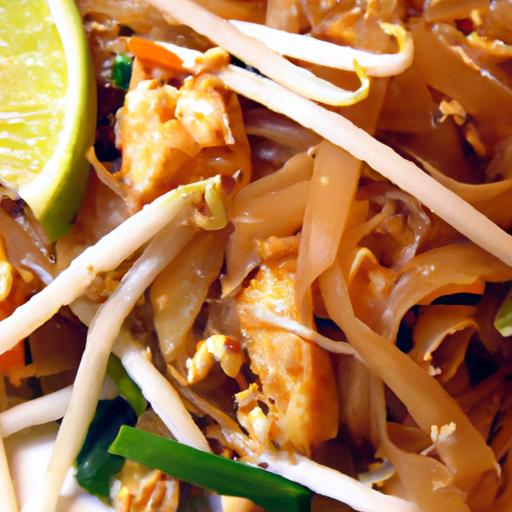
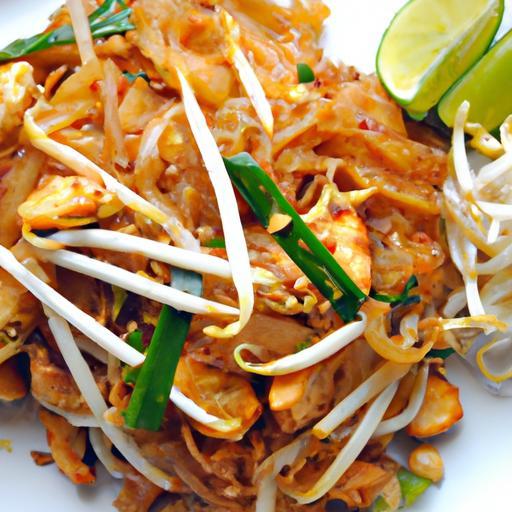
- serve immediately: Plate your gluten-free Pad Thai piping hot, garnished generously with chopped peanuts, fresh cilantro, a wedge of lime, and a sprinkle of chili flakes if you desire a kick.
expert Tips and Recommended Brands for Gluten-Free Pad Thai Perfection
- Choose authentic gluten-free rice noodles: look for thick, flat rice noodles with no wheat additives. Brands like Thai Kitchen or Lotus foods offer reliable gluten-free options.
- Tamarind paste quality matters: Pure tamarind paste without fillers or preservatives ensures a cleaner, more vibrant tang. Check labels at health food stores or Asian markets.
- Fish sauce alternatives: If avoiding seafood, substitute with gluten-free soy or coconut aminos, but flavor intensity will vary.
- don’t over-soak your noodles: Excess moisture can cause clumping.Always drain well before adding to the wok.
- Cook on high heat: A hot wok or skillet helps develop the characteristic wok hei flavor-slightly smoky and deeply savory.
- Make ahead: Prepare the sauce and chop vegetables in advance. Noodles are best cooked fresh, but you can soak them beforehand to save time.
Serving Suggestions
traditionally served with a wedge of lime and an extra sprinkle of crushed peanuts,this rich dish pairs wonderfully with a crisp cucumber salad or a light,refreshing Thai iced tea. For a refreshing contrast, garnish with fresh herbs like Thai basil or mint. Serve on warmed plates to keep your Pad Thai steaming and irresistible.

| Nutrient | Per Serving |
|---|---|
| Calories | 430 kcal |
| Protein | 28 g |
| Carbohydrates | 42 g |
| Fat | 14 g |
For a deeper dive into gluten-free Asian cooking, explore our collection of Thai recipes to expand your culinary repertoire. Enjoy mastering the art of Savor Gluten-Free Pad Thai, where tradition and dietary care meet in a vibrant dish sure to delight every palate.
Q&A
Q&A: Savor Gluten-Free Pad Thai – A Flavorful, Safe Twist
Q1: What makes conventional Pad Thai a concern for those avoiding gluten?
A1: Traditional Pad Thai often includes soy sauce, which typically contains wheat, making it a hidden source of gluten. For gluten-sensitive individuals, this can turn a beloved dish into a digestive minefield.
Q2: How can Pad Thai be made gluten-free without sacrificing flavor?
A2: By swapping regular soy sauce for tamari or coconut aminos, using rice noodles certified gluten-free, and ensuring all other ingredients-like fish sauce and spices-are free from gluten additives, you can preserve that iconic Pad Thai taste with zero compromise.
Q3: are gluten-free noodles different in texture or taste from traditional ones?
A3: Luckily, gluten-free rice noodles are very similar to their wheat-based cousins. They maintain that satisfyingly chewy bite that makes Pad Thai so delightful, so you won’t miss a thing.
Q4: What about cross-contamination-how can it be avoided when making gluten-free Pad Thai?
A4: The key is vigilance: use clean utensils and cookware, avoid shared cutting boards, and purchase ingredients from trusted gluten-free sources. This ensures your meal remains safe from hidden gluten traces.
Q5: Can you add creative twists to gluten-free Pad Thai to make it even more exciting?
A5: Absolutely! Toss in roasted peanuts, fresh lime, crisp bean sprouts, and vibrant herbs like cilantro or Thai basil. For protein, consider shrimp, tofu, or chicken.The beauty of gluten-free Pad Thai lies not just in safety, but in endless delicious customization.
Q6: Is gluten-free Pad Thai suitable for other dietary preferences?
A6: Yes-it can be adapted for vegan, dairy-free, and nut-free diets too. Simply replace animal proteins with tofu or tempeh,use nut-free alternatives if needed,and enjoy a dish that’s inclusive and flavorful.
Q7: Where can I find authentic gluten-free Pad Thai recipes?
A7: Many chefs and food bloggers specialize in gluten-free cooking. Look for recipes that prioritize authentic flavors while ensuring every ingredient aligns with gluten-free standards. Your local health food stores and online gluten-free communities are also treasure troves of inspiration.
Q8: Why choose gluten-free Pad Thai over other gluten-free meals?
A8: Pad Thai offers a vibrant blend of sweet, sour, salty, and spicy flavors all in one dish.Its a celebration of textures and tastes that naturally lends itself to gluten-free adaptations, making it a standout choice for anyone seeking deliciousness without gluten worries.
By embracing gluten-free Pad Thai, you treat your taste buds to a safe adventure through Thai cuisine-rich in flavor, free from gluten, and full of vibrant possibilities.
Wrapping Up
As you embark on your culinary journey with this gluten-free Pad Thai,remember that flavor need not be compromised for safety. This vibrant dish proves that thoughtful substitutions can unlock a world of taste, texture, and tradition without the gluten. Whether you’re a seasoned foodie or new to gluten-free cooking, savoring this colorful, aromatic twist is a delicious step toward inclusive dining-one forkful at a time. So gather your ingredients, ignite your senses, and let this flavorful Pad Thai redefine your gratitude for safe, scrumptious meals.