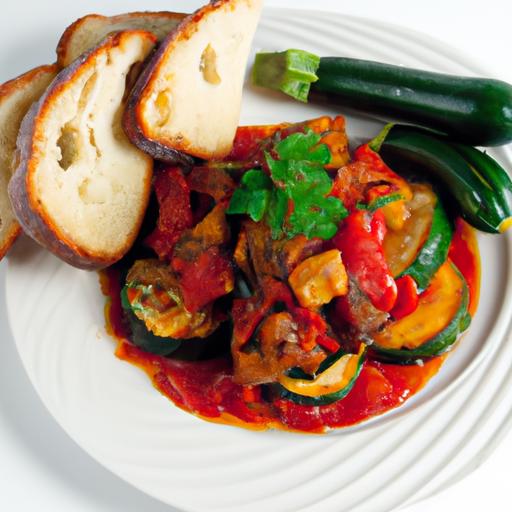

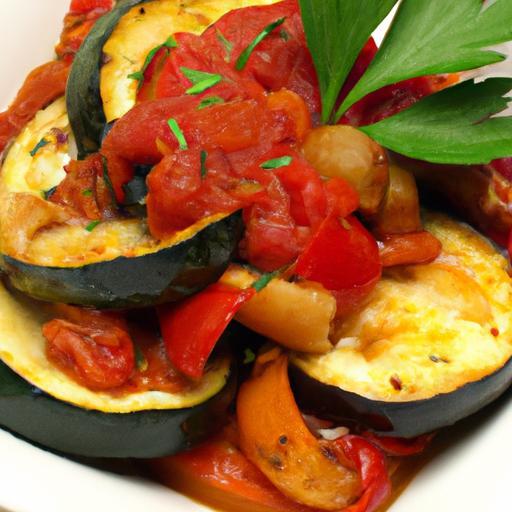
Bursting with vibrant hues and rich, rustic flavors, French ratatouille is much more than a simple vegetable stew-it’s a culinary party of Provence’s sun-drenched fields and time-honored traditions. Each colorful slice of eggplant, zucchini, bell pepper, and tomato carries with it a story of seasonal abundance and artisanal care, simmered gently to create a harmonious melody of taste and texture. In this article, we’ll unravel the origins, secrets, and techniques behind this iconic dish, inviting you to savor every bite of a true French classic that’s as beautiful on the plate as it is on the palate.
Savoring French Ratatouille unveils a vibrant mosaic of Provencal flavors and textures, inviting home cooks to celebrate the bounty of seasonal produce in every colorful bite. Originating from the sun-drenched fields of Southern France, this humble yet elegant vegetable medley has been cherished for centuries-its roots tracing back to the traditional peasant dishes of Nice, where simplicity meets sophistication.What sets ratatouille apart is its unusual ability to marry bold, fresh ingredients that layer harmoniously in taste and texture, resulting in a dish that’s as visually stunning as it is indeed satisfying.
Prep and Cook Time
- readiness: 30 minutes
- Cooking: 1 hour 15 minutes
- Total Time: 1 hour 45 minutes
Yield
- Serves 6 generously
Difficulty level
- Medium – requires patience and layering but well worth the effort
Ingredients
- 2 medium zucchinis, thinly sliced
- 2 medium eggplants, thinly sliced
- 3 large ripe tomatoes, thinly sliced
- 1 red bell pepper, diced
- 1 yellow bell pepper, diced
- 1 large onion, finely chopped
- 4 cloves garlic, minced
- 1/4 cup extra virgin olive oil, plus extra for drizzling
- 1 teaspoon fresh thyme leaves
- 1 teaspoon herbes de Provence
- Salt and freshly ground black pepper, to taste
- Fresh basil leaves, for garnish
- 1 tablespoon tomato paste
Instructions
- Prepare the base: heat 2 tablespoons olive oil in a large skillet over medium heat. Add the chopped onion and sauté until translucent, about 5 minutes. Stir in the garlic and cook an additional 1 minute until fragrant.
- Add the peppers: toss in the diced red and yellow bell peppers. Cook, stirring occasionally, until softened, about 8 minutes.
- Incorporate tomato base: Stir in the tomato paste, thyme, and herbes de provence.Season with salt and pepper. Let the mixture simmer gently for 10 minutes; this will concentrate the flavors and create a rich foundation.
- Assemble the layers: Preheat your oven to 375°F (190°C). spread the pepper-tomato base evenly in a shallow ovenproof dish. Arrange the zucchini, eggplant, and tomato slices vertically over the base, alternating vegetables and overlapping them in concentric circles or rows for an eye-catching presentation.
- Season and drizzle: Lightly salt and pepper the layered vegetables. Drizzle the remaining olive oil evenly on top to encourage caramelization and moisture retention.
- Bake the dish: Cover the dish loosely with parchment paper or foil and bake for 35 minutes. Remove the cover and bake for an additional 20 minutes to allow the edges to brown slightly and flavors to intensify.
- Rest and garnish: Let the ratatouille rest for 10 minutes out of the oven-this makes slicing easier and lets the flavors fully meld. Garnish with torn fresh basil leaves before serving.
Tips for Success: Mastering the Art of Layering Flavors and Textures
- Choose fresh, in-season vegetables: The heart of ratatouille is the produce itself. opt for firm zucchinis and eggplants with vibrant, blemish-free skin and ripe, fragrant tomatoes to maximize taste.
- Slice uniformly: Using a mandoline or sharp knife ensures even cooking and a polished final look.
- Don’t rush the base: Slow-simmering the onion, garlic, and peppers with tomato paste builds a rich flavor foundation crucial for authentic depth.
- Layer artfully: The visual appeal is essential. Arrange slices thoughtfully to create a flower-like or geometric pattern that entices the eyes and also the palate.
- Control moisture: Salt vegetables lightly before baking. Excess moisture can render the dish watery, so precise seasoning and baking uncovered at the end help concentrate flavors.
- Make ahead: Ratatouille tastes even better the next day.Prepare it in advance and gently reheat for an effortless, elegant meal.
Creative Serving Suggestions to Elevate Your Ratatouille Experience
- Rustic comfort: Serve warm with a crusty baguette and a dollop of creamy goat cheese or ricotta to complement the vegetable richness.
- Protein pairing: Accompany with grilled chicken, seared fish, or legumes like white beans for a balanced plate.
- Elegant plating: Use a round cookie cutter or ring mold to create neat stacks, garnished with microgreens or edible flowers.
- Layer into pasta: Toss hearty ratatouille with freshly cooked pappardelle and a sprinkle of shaved Parmesan for a rustic yet refined twist.
- Bruschetta topping: Chill ratatouille and serve as a vibrant topping over toasted baguette slices for a simple appetizer.
| Nutrition (per serving) | Amount |
|---|---|
| Calories | 150 kcal |
| Protein | 3 g |
| Carbohydrates | 18 g |
| Fat | 8 g |
Discover more about using seasonal produce to bring out the best in your dishes and for inspiration beyond classic recipes. For a deeper dive into Provençal cuisine and the history behind ratatouille, visit Britannica’s ratatouille entry, a trusted external resource.

Q&A
Q&A: Savoring French Ratatouille – A Colorful Classic Explained
Q1: What exactly is ratatouille?
A1: Ratatouille is a vibrant vegetable medley hailing from the sunny south of France, specifically the Provence region. It’s a rustic stew of summer vegetables-think zucchini, eggplant, bell peppers, tomatoes, and fragrant herbs-all slowly simmered to create a colorful, savory masterpiece that’s as comforting as a warm Provençal breeze.
Q2: Where does the word “ratatouille” come from?
A2: The name “ratatouille” derives from the French verb touiller,meaning “to stir up.” It’s a playful nod to the way the dish is prepared-gently stirred and lovingly mixed to coax out layers of flavor from humble garden veggies.
Q3: Is ratatouille typically served hot or cold?
A3: Ratatouille is delightfully versatile! Traditionally, it’s enjoyed warm as a side dish or main course, where its rich, melded flavors shine brightest. Though,it’s equally appetizing served chilled or at room temperature,making it a perfect companion to picnics or light meals.
Q4: What makes ratatouille a classic of French cuisine?
A4: Beyond its enchanting colors and aromas,ratatouille captures the essence of Provençal cooking: simplicity,seasonality,and respect for fresh ingredients. It’s a dish that celebrates the harvest, bringing humble vegetables to life through slow, loving preparation-an edible ode to the french countryside.
Q5: Can ratatouille be adapted for modern tastes or dietary needs?
A5: Absolutely! While the traditional recipe relies on classic Mediterranean veggies and olive oil, ratatouille’s flexible nature invites creativity. For a twist, you might add mushrooms for earthiness, swap out vegetables depending on the season, or even serve it over grains like quinoa for a hearty, healthful meal.
Q6: How does ratatouille differ from similar vegetable stews?
A6: Unlike some vegetable stews that prioritize heavy sauces or fast cooking, ratatouille is distinguished by its balance of flavors and textures, achieved through slow cooking and careful layering. Its identity lies in preserving the individual character of each vegetable while harmonizing them into one aromatic chorus.
Q7: Is ratatouille only a side dish, or can it be a main course?
A7: Though often seen as a side, ratatouille can proudly take center stage. Serve it atop creamy polenta, alongside crusty bread, or with a poached egg for a satisfying vegetarian main. Its hearty yet light nature makes it a beloved choice for all sorts of meals.
Q8: What cultural significance does ratatouille hold in France?
A8: Ratatouille is more than a meal; it’s a cultural symbol of southern France’s sun-soaked lifestyle, celebrating local produce and communal dining. Its popularity soared worldwide after the charming animated film “Ratatouille,” which beautifully captured the passion behind French cooking.
Q9: Any tips for making the perfect ratatouille at home?
A9: Patience is your best friend! Slice your vegetables uniformly and sauté them separately before combining-this preserves texture and prevents the stew from turning mushy. Use good-quality olive oil, fresh herbs like thyme and basil, and let the dish simmer gently to let the flavors bloom and mingle.
Q10: How should ratatouille be stored and reheated?
A10: Ratatouille tastes even better the next day as the flavors deepen overnight. Store it in an airtight container in the fridge for up to 4 days. Reheat gently on the stove or in the oven to maintain its luscious texture-avoid microwaving too aggressively to keep those vibrant colors and flavors intact.
Savoring ratatouille means embracing a colorful tradition that honors nature’s bounty and the art of slow cooking. Whether you’re a seasoned foodie or a curious cook, this classic French stew invites you to stir up some magic in your kitchen-one tender vegetable at a time.
Key Takeaways
As the final simmer settles and the vibrant medley of zucchini, eggplant, peppers, and tomatoes melds into a harmonious embrace, French ratatouille reveals more than just a dish-it tells a story of tradition, terroir, and timeless simplicity. Whether enjoyed as a rustic side or a hearty main, this colorful classic invites you to savor not only its rich flavors but also the cultural tapestry woven into every bite.Embracing ratatouille is a delicious way to connect with the heart of Provençal cuisine, reminding us that sometimes, the most extraordinary culinary experiences come from the humblest of ingredients. So next time you gather around the table, let ratatouille be your vibrant celebration of nature’s bounty and French culinary artistry. Bon appétit!