
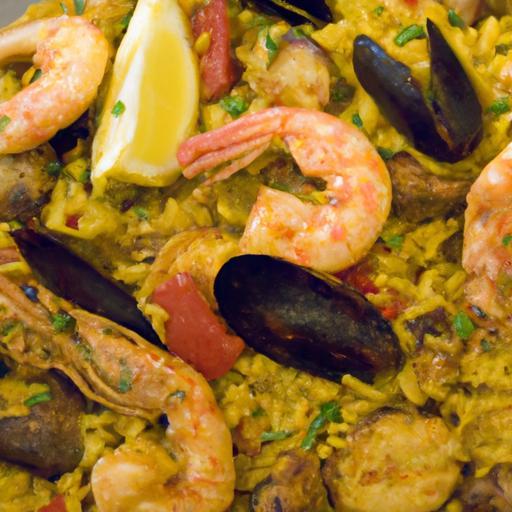
Beneath the warm Mediterranean sun, the vibrant hues of Spanish paella come alive-a captivating mosaic of saffron-kissed rice, plump seafood, tender meats, and fresh vegetables, all melding together in a rich tapestry of flavor and history. More than just a dish,paella is a culinary party that tells the story of Spain’s diverse regions,its lively gatherings,and an enduring tradition passed down through generations. In this article,we’ll embark on a sensory journey to uncover the origins,ingredients,and cultural importance behind paella,inviting you to savor not only its colorful layers but also the spirit of community and heritage it embodies.
Savoring Spanish Paella brings you on a vibrant culinary journey through the heart of Spain, where tradition and bold flavors collide in a stunning one-pan masterpiece. Born from humble Valencian roots, paella has evolved into a symbol of Spanish culture, with each region adding its own twist-from the rich seafood of the Mediterranean coast to the rustic meats and vegetables of inland Castile. This dish is more than a recipe; it’s a celebration of community, crafted in the iconic wide, shallow pan that fosters the prized socarrat-the golden, crispy rice crust that every enthusiast craves.
Prep and Cook Time
- Preparation: 30 minutes
- Cooking: 45 minutes
- Total Time: 1 hour 15 minutes
Yield
- Serves 4 to 6 people generously
Difficulty Level
- Medium – Perfect for those pleasant with multi-step cooking and attentive techniques
Ingredients for Authentic Paella
- 2 cups bomba rice (or short-grain paella rice)
- 4 cups homemade chicken broth or low-sodium store-bought broth, warmed
- 1/2 teaspoon saffron threads, soaked in 2 tablespoons warm broth
- 1/4 cup extra virgin olive oil
- 1 medium onion, finely chopped
- 3 cloves garlic, minced
- 1 red bell pepper, julienned
- 2 medium tomatoes, grated or finely diced
- 1/2 lb chicken thighs, boneless, skinless, cut into bite-sized pieces
- 1/2 lb rabbit meat (optional, for conventional Valencian flavor)
- 8 large shrimp, peeled and deveined
- 8 mussels, cleaned and debearded
- 1 cup green peas, fresh or frozen
- 1 teaspoon smoked paprika
- Salt and freshly ground black pepper, to taste
- Fresh parsley, chopped for garnish
- Lemon wedges, for serving
Step-by-Step Instructions
- Warm the broth in a saucepan over medium heat and stir in the soaked saffron threads. Keep warm – this will infuse the rice with its signature golden hue and earthy aroma.
- In a traditional paella pan or a wide, heavy skillet, heat the olive oil over medium-high heat. Add the chicken pieces and rabbit meat (if using) and sauté until golden brown, about 7 minutes. Remove meats and set aside.
- Sauté the onion and garlic in the same pan until translucent and fragrant, about 3-4 minutes. Add the red bell pepper and cook another 3 minutes until it softens.
- incorporate the grated tomato and smoked paprika, cook down for 5 minutes to create a rich sofrito base.Season lightly with salt.
- Add the rice to the pan, gently stirring to coat all grains with the sofrito. Toast the rice lightly for about 2 minutes, allowing it to soak up the flavors.
- Pour in the warm saffron-infused broth and return the browned meat to the pan. Spread everything evenly but do not stir again once the liquid is added – this helps create the coveted socarrat.
- Let the paella simmer over medium heat for 15 minutes. Scatter the shrimp, mussels, and peas evenly over the top, then continue cooking for another 10-15 minutes, or until the rice is tender and the seafood is cooked through. If the liquid evaporates to quickly, add a splash of warm broth to keep it moist.
- Turn off the heat and cover the pan with a clean kitchen towel.Let it rest for 5-10 minutes to deepen flavors and allow the socarrat to develop undisturbed.
- garnish with chopped fresh parsley and lemon wedges. Serve directly from the pan to capture the communal spirit of this dish.
Tips for Success
- Use bomba rice whenever possible; its unique grain expands without breaking and absorbs flavors beautifully.
- To preserve authentic texture,avoid stirring the rice after adding broth-this creates the signature crust on the bottom.
- Seafood choice can be flexible – add calamari, clams, or even lobster tails depending on your mood and market availability.
- Make the broth at home with chicken bones, saffron, tomato, and smoked paprika to layer deep umami notes into the dish.
- For a vegetarian paella, substitute meats with artichokes, roasted red peppers, and hearty mushrooms-maintain the saffron broth base for authenticity.
Serving Suggestions
Present your paella on the table in its original pan to evoke the essence of Spanish gatherings. accompany with crisp, chilled Albariño or light-bodied Verdejo wines to complement the saffron and seafood nuances without overpowering the dish. Serve alongside a crisp green salad dressed lightly with sherry vinegar and crusty rustic bread to soak up any remaining juices. For garnish, lemon wedges provide bursts of acidity and vibrancy that lift the rich flavors.

nutritional Details Per serving
| calories | Protein | Carbs | Fat |
|---|---|---|---|
| 450 kcal | 35 g | 50 g | 12 g |
For more insights on traditional Valencian Paella, dive into our detailed resource. Additionally, learn more about saffron’s history and culinary importance from this encyclopedia Britannica article on saffron.
Q&A
Q&A: Savoring Spanish Paella – A Colorful Feast of flavor and Tradition
Q1: What makes paella such an iconic dish in Spanish cuisine?
A1: Paella is more than just a meal-it’s a vibrant celebration of Spain’s rich culinary heritage. Originating from the Valencia region, this dish combines the freshest local ingredients like saffron, rice, fresh seafood, and tender meats, creating a symphony of flavors that dance on your palate. Paella’s cultural roots and communal cooking style make it a true embodiment of Spanish warmth and tradition.
Q2: How does traditional Valencian paella differ from other varieties?
A2: Traditional Valencian paella is a rustic blend featuring short-grain Bomba rice, rabbit, chicken, green beans, and occasionally snails, all infused with saffron and fragrant paprika. Unlike seafood paellas, which are more common along spain’s coasts, Valencian paella is a hearty, land-focused feast. The hallmark lies in its smoky, crispy socarrat-the cherished golden crust that forms at the pan’s bottom.
Q3: Why is the socarrat considered the jewel of paella?
A3: The socarrat is paella’s magical crust,a delicate layer of rice caramelized and toasted against the pan’s surface.It adds a delightful nuttiness and textural contrast, elevating every bite. Achieving the perfect socarrat is an art form and a point of pride for paella masters, as it symbolizes care, timing, and mastery over the fire.
Q4: What role does saffron play in paella?
A4: Saffron is the golden thread that weaves through paella’s tapestry of flavors. This precious spice imparts a subtle floral aroma and a warm, earthy depth, coloring the rice with its distinctive golden hue. Its presence is essential-not only for taste but as a symbol of quality and authenticity.
Q5: Can paella be adapted for vegetarian diets without losing its essence?
A5: Absolutely! While paella traditionally features meat or seafood, vegetarian versions honour its spirit by highlighting vibrant vegetables like artichokes, bell peppers, peas, and tomatoes. When cooked with rich vegetable broth and saffron, vegetarian paella offers a colorful, flavorful experience that is both hearty and satisfying, proving that paella’s soul lives in its community and celebration of fresh ingredients.
Q6: What is the best way to enjoy paella?
A6: Paella shines brightest when shared around a table filled with friends and family. It’s traditionally cooked outdoors over an open flame, inviting everyone to gather, savor, and partake in the storytelling that accompanies every bite. Complement it with a glass of chilled sangria or crisp Spanish white wine, and you have a feast that nourishes both body and spirit.
Q7: How can someone new to paella recreate an authentic experience at home?
A7: Start by sourcing quality ingredients-short-grain rice (preferably Bomba), good saffron, and fresh vegetables or proteins. Use a wide, shallow paella pan and be patient with the cooking process, allowing the rice to absorb the flavors and create the coveted socarrat. embrace the communal aspect by inviting loved ones to join you in preparation or simply nourishment, turning the kitchen into a space of shared joy and cultural appreciation.
Q8: Beyond taste, what cultural significance does paella hold in Spain?
A8: Paella is a symbol of Spanish identity, unity, and festivity. It frequently enough takes center stage during celebrations, festivals, and family gatherings. The act of making paella is ritualistic, fostering bonds as ingredients are layered and stories exchanged. It serves as a tasty reminder that food is a powerful language of heritage, hospitality, and heart.
Key Takeaways
As the final grains of saffron-kissed rice are savored and the vibrant medley of ingredients lingers on the palate, paella reveals itself as more than just a dish-it is a celebration of Spain’s rich history, diverse regions, and convivial spirit. From humble origins to festive tables, this colorful feast invites us to slow down, share stories, and embrace the art of gathering around good food. So next time you taste a steaming pan of paella, remember you’re partaking in a timeless tradition, where every bite tells a story and every flavor sings a vibrant note of Spanish culture.