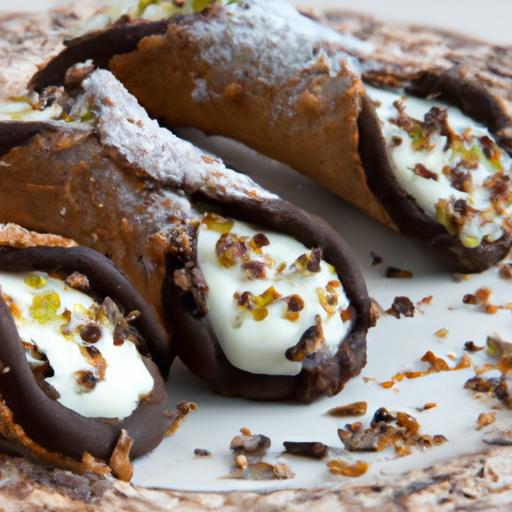

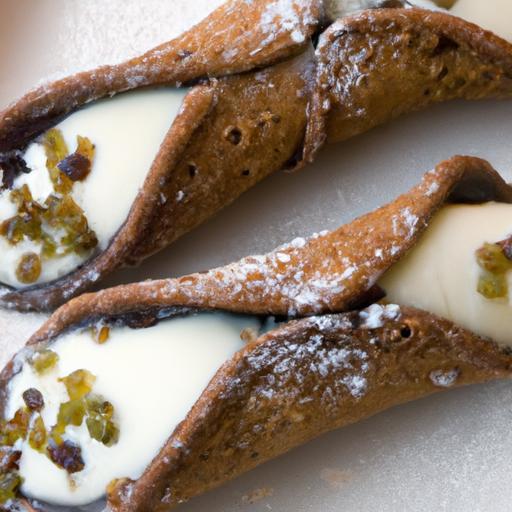
In the sun-drenched kitchens of Sicily,where ancient traditions mingle with vibrant flavors,an iconic dessert reigns supreme: the cannoli. These golden,crispy tubes,delicately filled with luscious sweet ricotta,are far more than just a treat-they are a symbol of Sicilian heritage adn craftsmanship. Each bite tells a story of timeless recipes passed down through generations,capturing the island’s spirit of joy,celebration,and culinary artistry. Join us as we explore the captivating world of Sicilian cannoli, uncovering the secrets behind their irresistible crunch and the sweet tradition that continues to enchant taste buds around the globe.
Sicilian Cannoli stand as a timeless testament to Italy’s rich culinary tapestry, where crispy shells cradle luscious ricotta cream, weaving together history, culture, and pure indulgence in every bite. This dessert isn’t just a pastry; it’s an emblem of Sicilian tradition, born from the island’s vibrant past and celebratory feasts, now cherished worldwide for its irresistible crunch and silky filling.
Prep and Cook Time
- Preparation: 30 minutes
- Resting Time: 1 hour (for shell dough)
- Cooking: 15 minutes
- Filling & Assembly: 20 minutes
- Total: Approximately 2 hours
Yield
Makes 12 medium-sized cannoli
Difficulty Level
Medium – Requires some finesse with dough rolling and frying but rewarding for all levels of home cooks
Ingredients
- for the Shells:
- 2 cups all-purpose flour, sifted
- 2 tbsp granulated sugar
- 1/2 tsp salt
- 2 tbsp unsalted butter, chilled and diced
- 1 large egg
- 1/2 cup dry white wine (such as Marsala or Pinot Grigio)
- Vegetable oil, for frying
- For the Ricotta Filling:
- 2 cups whole-milk ricotta, drained and chilled
- 3/4 cup powdered sugar, sifted
- 1 tsp pure vanilla extract
- 1/2 tsp ground cinnamon
- 1/4 cup mini dark chocolate chips (optional)
- Zest of 1 orange (optional for brightness)
- For Garnish:
- Chopped pistachios
- Powdered sugar, for dusting
- Extra chocolate chips or candied orange peel
Instructions
- Prepare the dough: In a large bowl, combine flour, sugar, and salt. Cut in the butter until the mixture resembles coarse crumbs. Add the egg and slowly pour the wine while stirring until a smooth, elastic dough forms. If it feels dry, add a teaspoon of water at a time.
- Rest the dough: Wrap the dough tightly in plastic wrap and let it rest at room temperature for at least 1 hour; this relaxes the gluten and ensures easier rolling.
- Roll and cut the shells: On a lightly floured surface, roll out the dough very thin (about 1/8 inch). Cut into 4 to 5-inch diameter circles using a cookie cutter or a small bowl. Sparingly brush one edge of each circle with water and wrap it tightly around the metal cannoli tubes, pressing the edges to seal.
- Fry the shells: Heat about 2 inches of vegetable oil in a heavy pot to 350°F (175°C). Fry the shells a few at a time,turning carefully until they are golden brown and crisp,about 2-3 minutes.Remove with a slotted spoon and drain on paper towels. Allow shells to cool wholly before removing the metal tubes gently.
- Prepare the filling: In a chilled bowl, whisk the ricotta until smooth. gently fold in powdered sugar, vanilla, cinnamon, and orange zest. stir in chocolate chips if using. Chill the filling for at least 30 minutes for best texture.
- Fill the cannoli: Using a pastry bag fitted with a large round tip or a spoon, fill each shell from both ends with the ricotta mixture. Avoid assembling too far in advance to prevent sogginess.
- Garnish and serve: Dip the ends of each filled cannoli in chopped pistachios or additional chocolate chips. Dust lightly with powdered sugar and serve immediately for optimal crispness.
Tips for Success
- Rest the dough fully – it makes rolling out much easier and improves the texture of your shells.
- Drain the ricotta overnight by lining a sieve with cheesecloth to remove excess moisture, ensuring a smooth and thick filling.
- Maintain oil temperature to prevent greasy cannoli; too hot will burn the shells,too low will make them heavy.
- For a twist, try adding chopped candied cherries or orange peel inside the filling for authentic Sicilian flair.
- If you don’t have metal cannoli tubes, tightly roll aluminum foil into tubes as an option.
serving Suggestions
Present your Sicilian Cannoli on a rustic wooden platter lined with parchment paper or a classic ceramic plate. Complement with a dusting of powdered sugar to mimic Sicilian snowfall. Serve alongside a small espresso or a sweet dessert wine like Marsala to enhance flavors.For color and texture contrast, scatter fresh pomegranate seeds or candied citrus pieces around your platter.
| Nutrient | Per Serving (1 cannolo) |
|---|---|
| Calories | 290 kcal |
| Protein | 7 g |
| Carbohydrates | 32 g |
| Fat | 14 g |
Explore more delightful Italian desserts and authentic recipes like this in our Italian Desserts Collection.For an in-depth dive into the history of Sicilian sweets, visit Britannica’s Cannoli History.

Q&A
Q&A: Sicilian Cannoli – A Crispy Delight filled with Sweet Tradition
Q1: What exactly is a Sicilian cannoli?
A1: A Sicilian cannoli is a traditional Italian pastry that features a crispy, tubular shell filled with a luscious, sweet ricotta cheese mixture. Originating from the island of Sicily, this dessert marries crunchy texture with creamy sweetness, creating a beloved treat that’s both simple and decadent.
Q2: How did cannoli come to be a staple of Sicilian cuisine?
A2: Cannoli have roots entwined with Sicily’s rich and diverse history. Thought to have been created during the island’s Arab rule around the 9th century, these pastries were originally a festive treat for Carnevale. Over centuries, cannoli evolved into a symbol of Sicilian culture, embodying the island’s blend of culinary influences and zest for celebrations.
Q3: What makes the cannoli shell so special?
A3: The shell’s magic lies in its unique preparation.Made from flour, sugar, a hint of wine or vinegar, and butter, the dough is rolled thin and wrapped around metal tubes before being fried to golden perfection. The result? A delightfully crisp and sturdy shell that contrasts masterfully with the creamy filling.
Q4: What is traditionally used as cannoli filling?
A4: The classic filling is fresh sheep’s milk ricotta cheese, sweetened with powdered sugar and frequently enough enhanced with vanilla, cinnamon, or citrus zest. Sometimes, small chocolate chips, candied fruits, or pistachios are folded in to add bursts of texture and flavor, reflecting local bounty and personal flair.
Q5: Why is the cannoli considered more than just a dessert in Sicilian culture?
A5: Cannoli are a delicious narrative of Sicily’s vibrant history and social customs. They’re frequently enough shared during festivals, family gatherings, and special occasions, symbolizing joy and hospitality. Eating a cannolo connects Sicilians-and admirers worldwide-to an ancient tradition that celebrates life’s sweetness amidst rustic simplicity.
Q6: How has the cannoli influenced modern pastry-making outside Sicily?
A6: Cannoli have inspired countless pastry chefs globally, sparking creative variations that maintain the original’s spirit while introducing novel fillings like mascarpone, chocolate ganache, or even savory twists. Their iconic shape and flavor profile have transcended bakeries, appearing in fusion desserts and reinvented sweets that pay homage to Sicilian roots.
Q7: What’s the best way to enjoy a cannoli?
A7: For the freshest experience, cannoli are best filled just before serving to preserve the shell’s crispness. Enjoy them with a dusting of powdered sugar, a sprinkle of crushed pistachios, or alongside a robust espresso or sweet Marsala wine to enhance the harmonious flavors and celebrate a true taste of sicily.
through crispy shells and creamy hearts, Sicilian cannoli remain a timeless culinary treasure-each bite a delicious ode to the island’s rich traditions and sweet artistry.
The Conclusion
From the sun-drenched orchards of Sicily to pastry shops bustling with eager locals, the Sicilian cannoli stands as a timeless testament to the island’s rich culinary heritage. Each crispy shell, perfectly fried to golden perfection, cradles a luscious filling that speaks of tradition, passion, and a touch of sweet indulgence. More than just a dessert, the cannoli is a flavorful journey-one that connects generations and invites us all to savor a bite of Sicily’s storied past. Whether enjoyed beneath the Mediterranean sun or in the cozy corners of your kitchen, this crispy delight continues to inspire and enchant, reminding us that sometimes, the sweetest traditions are the ones worth preserving.