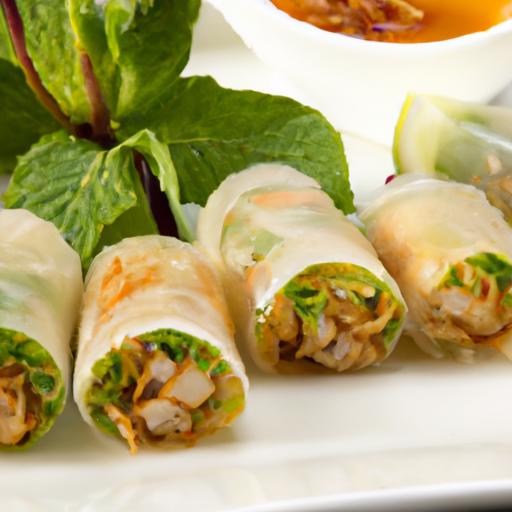

Crisp, golden, and irresistibly tempting-spring rolls have long been celebrated as a beloved appetizer across many cultures. Their delicate wrappers encase a vibrant medley of fresh vegetables, savory meats, or seafood, offering a perfect bite of texture and flavor. but beneath that satisfying crunch lies a question that often goes unnoticed: are spring rolls really gluten-free, or is there hidden gluten lurking within? As dietary sensitivities and gluten-free lifestyles become increasingly common, unraveling the truth behind spring rolls and gluten content is more significant than ever. Join us as we take a closer look at this crunchy delight, exploring its ingredients, preparation methods, and what those cautious about gluten need to know before indulging.
Spring rolls, a culinary icon beloved across many cultures, captivate with their delicate balance of crisp textures and vibrant fillings. Exploring conventional ingredients and gluten sources in these crunchy delights reveals a world of flavors and challenges, especially for those mindful of gluten. From the crunchy wrapper to the savory fillings, this recipe guide will walk you through how to craft irresistibly crisp spring rolls – whether you are embracing the gluten challenge or opting for gluten-free alternatives. Let’s unwrap the secrets to mastering these savory rolls with confidence and flair.
Prep and Cook Time
Preparation: 30 minutes
Cooking: 15 minutes
Total Time: 45 minutes
Yield
Makes 12 spring rolls
Difficulty Level
Medium – Requires some rolling technique and frying skills
Ingredients
- 12 rice paper wrappers (for gluten-free) or 12 wheat-based spring roll wrappers
- 1 cup shredded cooked chicken (or tofu for vegetarian)
- 1 cup finely shredded cabbage
- 1/2 cup julienned carrots
- 1/2 cup bean sprouts
- 1/4 cup thinly sliced green onions
- 2 cloves garlic, minced
- 1 tablespoon soy sauce (use tamari for gluten-free)
- 1 teaspoon grated fresh ginger
- 1 tablespoon toasted sesame oil
- Salt and pepper to taste
- Vegetable oil for frying (about 2 cups)
- optional dipping sauce: sweet chili sauce or homemade gluten-free dipping sauce
Instructions
- Prepare the filling: In a large skillet, heat 1 tablespoon sesame oil over medium heat. Add minced garlic and grated ginger,sauté until fragrant,about 1 minute.
- Add shredded chicken (or tofu), cabbage, carrots, bean sprouts, and green onions. Stir-fry for 3-4 minutes until vegetables soften but remain crisp.
- season with soy sauce or tamari, salt, and pepper. Remove from heat and let the filling cool to avoid soggy wrappers.
- Wrap the rolls: For rice paper wrappers, quickly dip each sheet into warm water until soft and pliable, laying it flat on a clean work surface.
- Place about 2 tablespoons of the filling near one edge of the wrapper. Fold the sides inward, then roll tightly but gently to enclose the filling, ensuring no air pockets remain.
- Repeat until all filling and wrappers are used.
- Fry the spring rolls: Heat vegetable oil in a deep frying pan or wok to 350°F (175°C). Gently add the rolls in batches, frying until golden brown and crisp, about 3-4 minutes per side.
- Drain on paper towels and serve warm.
Chef’s Notes
- For a gluten-free crunch, rice paper wrappers are your best friend.They fry beautifully crisp without any gluten contamination risk.
- If using wheat-based wrappers,ensure your soy sauce and other condiments contain no hidden gluten.
- To prevent cross contamination, use seperate utensils, cutting boards, and oil if preparing both gluten and gluten-free rolls together.
- Fillings can be customized – try adding shiitake mushrooms, glass noodles, or shrimp for added depth.
- Make-ahead tip: Assemble rolls without frying, wrap tightly in plastic wrap, refrigerate up to 6 hours, then fry fresh for best texture.
Serving Suggestions
Present these golden treasures on a vibrant platter garnished with fresh cilantro sprigs and thinly sliced red chilies for a pop of color and heat. Pair with a small bowl of tangy gluten-free dipping sauce – a mixture of tamari, rice vinegar, a touch of honey, and finely chopped garlic – to balance the rich crunch.Serve alongside crunchy cucumber ribbons or a fresh Asian slaw for an irresistible textural contrast.
| Nutrient | Per Serving (1 roll) |
|---|---|
| Calories | 110 kcal |
| Protein | 8 g |
| Carbohydrates | 12 g |
| Fat | 4 g |

Ready to master the art of gluten-free Asian appetizers? Embrace the crunch without compromise. For more insights on gluten safety and culinary tips, visit Celiac Disease Foundation’s gluten-free recipe hub.
Q&A
Q&A: Spring Rolls & Gluten – Crunchy Delight or Hidden Gluten?
Q1: What makes spring rolls such a beloved snack around the world?
Spring rolls tantalize taste buds with their perfect balance of crispiness and savory fillings. Originating from East and Southeast Asia, these golden parcels combine fresh vegetables, tender proteins, and aromatic herbs, all wrapped in a delicate skin that fries to crunchy perfection. Their versatility and handheld convenience have made them a global favorite.
Q2: Where does gluten come into the picture with spring rolls?
Gluten often lurks in the ingredients used in spring rolls. Traditional wrappers are typically made from wheat flour,which contains gluten-a protein that gives dough its elasticity. Additionally, sauces and marinades used in fillings may contain soy sauce or other additives with gluten, sneaking it into an otherwise innocuous snack.
Q3: Are there gluten-free spring roll options available?
Absolutely! Rice paper wrappers, widely used for fresh (non-fried) spring rolls, are naturally gluten-free. Some brands also offer gluten-free fried spring roll wrappers made from rice flour or tapioca starch. When shopping, check ingredient labels carefully or opt for homemade wrappers using gluten-free flours.
Q4: How can someone with gluten intolerance enjoy spring rolls safely?
first, look for wrappers explicitly labeled gluten-free. Avoid wheat-based wrappers or those without clear ingredient information. Be mindful of fillings and sauces-swap traditional soy sauce for tamari or gluten-free alternatives, and use fresh, naturally gluten-free ingredients. When dining out, communicate your dietary needs clearly to ensure the kitchen avoids cross-contamination.
Q5: Is gluten in spring rolls a health concern for everyone?
For most people,gluten in spring rolls poses no problem and delivers that beloved chewy crispness. However, individuals with celiac disease, gluten sensitivity, or wheat allergies must be vigilant.Even trace amounts of gluten can trigger symptoms, making awareness and ingredient scrutiny essential.
Q6: Can you share a swift tip for making gluten-free crispy spring rolls at home?
Try using rice paper wrappers for fresh spring rolls, or source gluten-free fried wrappers made from rice or tapioca flour. Lightly dust them with cornstarch or rice flour before frying to boost crispiness without the gluten. Pair with naturally gluten-free dipping sauces, like a homemade peanut or sweet chili sauce without soy ingredients containing gluten.
Q7: What’s the takeaway for spring roll lovers concerned about gluten?
Spring rolls can be either a crunchy delight or a hidden source of gluten-depending on their ingredients. By choosing the right wrappers and fillings, and staying informed about labels and restaurant practices, you can enjoy this beloved snack safely and satisfyingly. Gluten-free doesn’t mean flavor-free!
Insights and Conclusions
Whether you’re a devoted spring roll enthusiast or a cautious gluten watcher, understanding what lies beneath that crispy exterior is key to making informed-and tasty-choices. These golden parcels of flavor can indeed be a crunchy delight, but as we’ve explored, hidden gluten may be sneaking in through delicate wrappers, savory sauces, or unexpected fillings. So next time you bite into a spring roll, savor every crunch with both joy and awareness, turning your snack into a mindful culinary adventure.After all, the best bites are those that marry taste with peace of mind.