
Hidden within the sun-drenched deserts of Mexico lies a tantalizing treasure that has delighted taste buds for centuries: Candied Cactus Biznaga. Frequently enough overshadowed by more familiar sweets, this unique delicacy weaves together the rugged spirit of the arid landscape with the art of conventional candy-making. In this article, we peel back the layers of history, culture, and culinary magic to reveal the sweet secrets behind candied Biznaga-a treat that transforms a tough, spiny cactus into a luscious, crystalline confection. Join us as we uncover the interesting journey from desert plant to sugary delight, and discover why this unusual candy continues to capture the hearts of locals and curious food lovers alike.
Candied cactus biznaga holds a treasured place in Mexican culinary heritage, where its sweet, floral notes transform this desert delicacy into a confection that delights both the palate and the senses.This enchanting treat traces back centuries, rooted deeply in indigenous traditions where harvesting the biznaga cactus was both a ritual and an art. Today, unlocking the art of perfectly candying biznaga reveals a harmony of flavors that balances natural cactus earthiness with refined sweetness, inviting modern cooks to explore its versatile charm.
Prep and Cook Time
- Preparation: 15 minutes
- Cooking: 45 minutes
- Total Time: 1 hour
Yield
- Serves 6-8 as a snack or dessert ingredient
Difficulty Level
- Medium – requires patience and attention to detail
Ingredients
- 500g biznaga cactus ribs, peeled and sliced into 1/2-inch strips
- 2 cups granulated sugar
- 1 1/2 cups water
- 1/2 cup light corn syrup
- 1 cinnamon stick
- 1 tbsp fresh lemon juice
- 1 tsp vanilla extract
- Optional: edible rose petals or pistachio slivers for garnish
Instructions
- Prepare the biznaga: Rinse the cactus ribs thoroughly to remove any dirt or spines. Peel away thorny segments carefully and slice into uniform strips to ensure even cooking.
- Blanch the cactus: Bring a pot of water to a boil. Add the biznaga strips and blanch for 5 minutes, wich helps soften the tough fibers and reduces bitterness. Drain and rinse with cold water.
- Make the candy syrup: In a wide saucepan, combine 2 cups sugar, 1 1/2 cups water, and 1/2 cup light corn syrup. Add the cinnamon stick.Stir over medium heat until sugar dissolves completely, then bring to a gentle boil.
- Candy the biznaga: Add the blanched biznaga strips to the simmering syrup. Reduce heat to low and cook gently for 35 to 40 minutes, stirring occasionally to prevent sticking. The biznaga will become translucent and glossy-this is a key sign of perfect candying.
- Finish and flavor: Remove the pan from heat. Stir in 1 tbsp lemon juice and 1 tsp vanilla extract to brighten and deepen the flavor profile. Discard the cinnamon stick.
- Dry the candied biznaga: Using a slotted spoon, transfer the strips to a parchment-lined tray. allow to cool and dry for at least 2 hours to develop that signature chewy texture.
- Store properly: Once cool, store in an airtight container at room temperature or in the fridge for up to two weeks.
Chef’s Notes
- For a slightly floral twist, infuse the syrup with dried hibiscus petals during cooking, removing them before adding biznaga strips.
- Swap corn syrup for honey to create a more rustic flavor, though the texture will differ slightly.
- If the syrup crystallizes prematurely,add a small splash of lemon juice to re-dissolve the sugar.
- For make-ahead convenience, candied biznaga freezes well; thaw naturally before serving.
- Ensure consistent strip thickness so that every piece is evenly candied without some being too hard or too soft.
Serving Suggestions
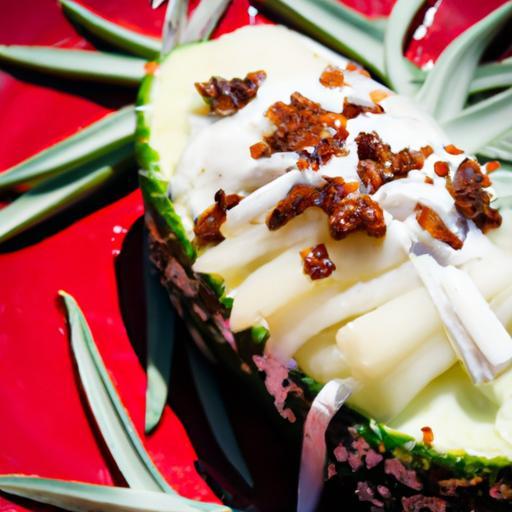
The sweetened biznaga shines as a garnish atop creamy desserts like panna cotta or flan, adding texture and floral sweetness.For an elevated experience, drizzle a little spiced caramel or sprinkle crushed pistachios and edible rose petals above the candied cactus strips. Alternatively, chop finely and fold into rich chocolate ganache or swirl through vanilla ice cream for a delightful surprise. Pairing with lightly toasted nuts and a splash of mezcal takes adventurous palates on a journey through Mexico’s rich flavor landscapes.
Health Benefits and nutritional Highlights of Sweetened Biznaga
while candied biznaga indulges your sweet tooth, it also boasts nutritional qualities worth celebrating. The biznaga cactus itself is a good source of dietary fiber, antioxidants, and essential minerals like calcium and magnesium, supporting digestion and bone health. Candying it preserves some of these nutrients while adding energy-rich sugars, making it an energizing treat. Moderation is key, but incorporating candied biznaga brings a unique blend of natural wellness and indulgence to your dessert repertoire.
| Nutrition (per 50g) | Amount | % Daily Value |
|---|---|---|
| Calories | 140 kcal | 7% |
| Protein | 0.5 g | 1% |
| Carbohydrates | 36 g | 12% |
| Fat | 0.1 g | 0% |
| Fiber | 2 g | 8% |
Unlocking the Art of Perfectly Candying Biznaga for Ultimate Flavor
Mastering the sweet secrets of candied cactus biznaga is about patience, attention to texture, and a respect for the ingredient’s origin. The slow simmering process allows the cactus to absorb the syrup fully, creating a sublime balance of tender chew and crystalline gloss. The addition of warming spices like cinnamon and bright lemon creates a nuanced caramelization that enhances the biznaga’s natural sweetness. Whether your new to this delicacy or refining your technique, treat each step as a mindful craft – from peeling thorny ribs to the satisfying final drying – to achieve a candy with unforgettable flavor and texture.
For more on incorporating traditional Mexican ingredients into modern sweets,check out our guide to modern Mexican desserts. To delve deeper into the botanical wonders of cacti, the Encyclopedia Britannica’s cactus overview offers an authoritative resource.

Q&A
Q&A: Sweet Secrets of Candied cactus Biznaga Uncovered
Q1: What exactly is Candied Cactus biznaga?
A1: Candied Cactus Biznaga is a traditional delicacy made from the biznaga cactus, a succulent native to arid regions like Mexico’s deserts. The cactus’s fleshy stems are transformed into a sweet treat by simmering them in sugar syrup until tender and infused with sugary goodness. This candy offers a unique blend of nature’s resilience with the art of preservation and sweetness.
Q2: How did this unusual sweet originate?
A2: The tradition dates back centuries, rooted in indigenous Mexican cultures who found ingenious ways to utilize desert plants as food. The biznaga cactus, tough and spiny in its natural form, was carefully harvested and cooked to become a tender, sweet delicacy. Over time, candied biznaga became a beloved regional treat, frequently enough enjoyed during festivals and celebrations.
Q3: What makes Biznaga cactus special for candying?
A3: unlike many other cacti, biznaga produces thick, dense stems rich in pectin-a natural gelling agent-that helps it retain shape and develop a luscious, jelly-like texture when cooked. Its natural mild flavor also absorbs the sugary syrup perfectly, allowing candy makers to create a delicately sweet and subtly earthy confection.
Q4: Are there any secret techniques involved in candying Biznaga?
A4: Absolutely! The process is both an art and a science. Harvesters first carefully peel the spiny exterior, then boil the cactus repeatedly to remove bitterness. The cactus is then simmered slowly in a fragrant syrup, sometimes infused with spices like cinnamon or cloves, which enhances depth of flavor. Some recipes involve multiple syrup baths, a secret passed down through generations to achieve that perfect balance of sweetness and texture.
Q5: How is Candied Biznaga traditionally enjoyed?
A5: Traditionally,it is sliced into translucent pieces and savored as a snack alongside coffee or hot chocolate. In some regions, it’s also incorporated into desserts, such as cakes or ice creams, lending a distinctive texture and natural sweetness. Its vibrant amber hue makes it as visually appealing as it is indeed flavorful.
Q6: Is Candied Biznaga just a sweet treat, or does it have health benefits?
A6: Beyond its sugary allure, biznaga cactus is rich in fiber and antioxidants native to desert plants. Though candying reduces some nutritional content due to added sugar, the treat still carries a whisper of the cactus’s natural vitality.Traditional wisdom even credits it with aiding digestion and providing natural energy-a sweet pick-me-up from the desert itself.
Q7: Can I make Candied Biznaga at home?
A7: While possible, making authentic candied biznaga requires access to the cactus itself-and patience! The preparation is labor-intensive, from safely harvesting spiny biznaga to the lengthy candying process. However, for adventurous cooks, sourcing dried or fresh biznaga and following traditional recipes can be a rewarding culinary journey.
Q8: Where can one find Candied Biznaga today?
A8: Today, candied biznaga remains a cherished regional specialty in parts of Mexico, especially in markets within desert regions like Guanajuato or San Luis Potosí. Artisan confectioners continue the ancient tradition, sometimes blending modern twists with time-honored methods, keeping this sweet secret alive for new generations to discover.
Discovering the sweet secrets of candied biznaga is like tasting a piece of desert history-where nature’s rugged beauty meets the human touch of culinary magic.Whether a curious traveler or a confectionery enthusiast, letting your palate explore this rare candy promises a truly unforgettable experience.
The Conclusion
As we peel back the layers of history and flavor behind candied cactus biznaga, it becomes clear that this sweet treat is more than just a confection-it’s a vibrant testament to nature’s ingenuity and cultural heritage. from the arid deserts where biznaga cacti flourish to the hands that carefully transform their spines and juice into crystalline jewels of candy, every bite encapsulates a story of resilience, tradition, and unexpected delight.Whether you savor it as a curious traveler or a devoted foodie, the candied biznaga invites you to experience the secret sweetness of the desert-an edible treasure that continues to enchant palates and preserve ancient wisdom in every sugary crystal.