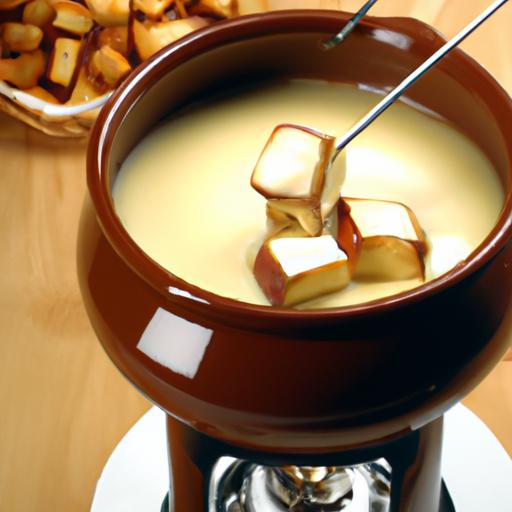

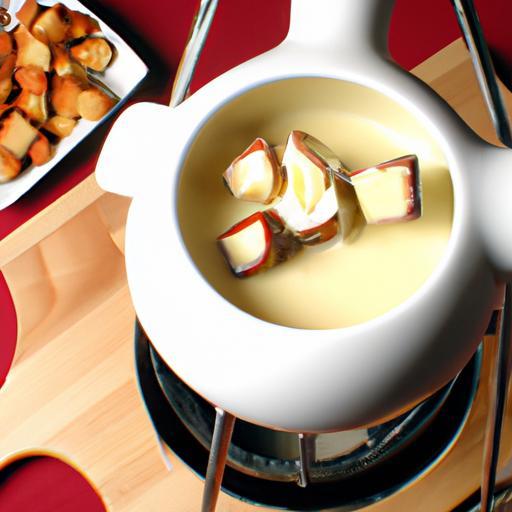
There’s something magical about a bubbling pot of Swiss cheese fondue-a dish that effortlessly marries history, culture, and the alchemy of melting cheese into a luscious, velvety embrace. beyond its status as a beloved winter ritual and social centerpiece, Swiss fondue is a culinary tradition steeped in centuries of innovation and regional pride. In this article, we journey into the heart of this iconic Swiss delicacy, exploring not just the art of crafting the perfect fondue, but also the science that transforms simple ingredients into a harmonious, melt-in-your-mouth masterpiece. From ancient alpine origins to modern-day tables, discover how melting traditions continue to shape the flavors and communal spirit of Switzerland’s moast iconic dish.
Swiss cheese fondue is more than a mere dish-it’s a celebrated tradition that draws people together over a warm, bubbling pot of melted cheese. Rooted in the pastoral alps of Switzerland, this iconic recipe embodies centuries of communal dining culture where mountain farmers crafted hearty meals from simple ingredients. The beauty of Swiss cheese fondue lies in its harmonious blend of flavors and textures,a culinary craft that transforms ordinary cheese into an unforgettable experience of gooey indulgence and cozy conviviality.
Prep and Cook Time
- Preparation: 15 minutes
- Cooking: 10 minutes
- Total: 25 minutes
Yield
Serves 4 enthusiastic cheese lovers
Difficulty Level
medium – requires attentive stirring and proper heat control for the perfect melt
Ingredients
- 1 clove garlic, halved
- 1 cup dry white wine (preferably Swiss or a crisp Sauvignon Blanc)
- 200g Gruyère cheese, grated
- 200g Emmental cheese, grated
- 1 tsp fresh lemon juice
- 1 tbsp cornstarch
- 2 tbsp kirsch (cherry brandy)
- Freshly ground white pepper, to taste
- Freshly grated nutmeg, to taste
- Baguette, cubed into bite-sized pieces for dipping
Instructions
- Prep the pot: Rub the inside of a fondue pot with the cut sides of garlic, releasing aromatic oils. Discard the garlic or leave inside for mild flavor.
- Warm the wine: Pour the white wine and lemon juice into the pot and gently heat over medium heat until just simmering. Avoid boiling, which can break down the cheese texture.
- Incorporate cheese and cornstarch: Toss the grated Gruyère and Emmental with cornstarch until evenly coated. Gradually add to the warming wine in small handfuls, stirring continuously in a figure-eight motion to encourage smooth melting.
- Achieve smooth consistency: Continue stirring until the cheese is fully melted and blends into a creamy, elastic sauce. If the mixture is too thick,add a splash of wine; too thin,add a little more cheese.
- Season and fortify: Stir in kirsch, season with white pepper and freshly grated nutmeg. Keep the fondue just warm enough to maintain its velvety texture without scorching, adjusting heat as needed.
- Serve promptly: Transfer the pot to its stand with a heat source below (such as a small burner or candle). Provide long fondue forks and cubed bread for dipping.
Tips for Success
- Cheese blend mastery: Combining nutty Gruyère with mellow Emmental is classic, but experimenting with Appenzeller or Comté adds unique depth.
- Temperature control: Keep the heat low once melted; overheating can cause cheese to separate.
- Kirsch substitute: If unavailable, a splash of dry white vermouth can add similar complexity.
- Bread choice: Slightly stale baguette soaks up fondue without turning to mush.
- Make ahead: Grate cheese and cube bread the day before to streamline your fondue evening.
Serving Suggestions
Present your Swiss cheese fondue invitingly with a rustic wooden board holding cubed baguette, crisp apple slices, steamed baby potatoes, crunchy cornichons, and pickled pearl onions. Sprinkle chopped fresh parsley or chives over the cheese pot for a pop of color. Offer a robust Swiss white wine or a light, fruity Pinot Noir to balance the richness.

| Nutrient | Per Serving |
|---|---|
| Calories | 450 kcal |
| Protein | 22 g |
| Carbohydrates | 30 g |
| Fat | 28 g |
For those eager to explore further, discover complementary traditional Swiss recipes that celebrate the Alpine culinary heritage. For in-depth cheese pairing tips and the science behind good melting cheese, visit CheeseMaking.com, an excellent resource to deepen your appreciation of the art and science behind Swiss cheese fondue.
Q&A
Q&A: Melting traditions – The Art and Science of Swiss Cheese Fondue
Q1: What exactly is Swiss cheese fondue, and why is it considered such a beloved dish?
A: Swiss cheese fondue is a classic communal dish where cubes of bread are dipped into a pot of melted cheese, traditionally a blend of Gruyère and Emmental. It’s beloved not only for its rich,savory flavor but also for its sociable nature-gathering friends and family around a bubbling caquelon to share warmth,stories,and laughter. The ritual itself is as important as the recipe, making fondue a symbol of togetherness.
Q2: How did swiss cheese fondue originate?
A: Fondue’s roots trace back to the Swiss Alps, where shepherds and farmers needed hearty, warming meals during long winter months. Melted cheese was combined with stale bread and wine,transforming humble ingredients into a luxurious comfort food. Over centuries, this pragmatic concoction evolved into the elegant and refined dish we cherish today, embodying Swiss culinary heritage.
Q3: Why is the choice of cheese so crucial in making the perfect fondue?
A: Cheese is the soul of fondue. The perfect blend balances flavor, texture, and melting properties. Gruyère offers a creamy, nutty depth, while Emmental adds mild sweetness and smooth meltability. The right cheeses create a velvety, elastic fondue that clings lovingly to your bread without separating or becoming oily-an alchemy of science and tradition.
Q4: What scientific magic happens when cheese melts during fondue preparation?
A: When cheese melts, heat causes the proteins and fats to unravel and recombine. The proteins unfold, trapping fat and moisture, creating a smooth, stretchy matrix. The addition of an acid, like lemon juice or wine, helps stabilize this emulsion by preventing protein clumps, ensuring a glossy, luscious fondue.It’s a delicate balance-too hot, and the cheese breaks; too cool, and it won’t melt fully.
Q5: How does wine enhance the fondue experience?
A: Wine isn’t just a flavor enhancer; it’s a functional ingredient. The acidity in white wine breaks down cheese proteins, promoting a smooth melt and preventing clumping. It also adds subtle fruity and tangy notes that cut through the richness, balancing the overall taste.Plus, sipping the same wine you cook with completes the sensory dance of fondue.
Q6: What are some traditional accompaniments to Swiss cheese fondue?
A: Beyond the beloved crusty bread cubes, traditional dippers include boiled new potatoes, crisp cornichons, pearl onions, and even slices of apple or pear for a sweet contrast. Each bite offers a unique texture and flavor, creating a playful harmony with the molten cheese.
Q7: Are there modern twists on classic Swiss cheese fondue?
A: Absolutely! Contemporary chefs experiment by blending diffrent cheeses, adding spices like nutmeg or garlic, or incorporating beer, cider, or even truffle oil instead of wine. Some infuse fondue with herbs or serve it with unconventional dippers like roasted veggies or artisanal sausages, marrying tradition with innovation.
Q8: How can one master the art of fondue at home?
A: Patience and respect for technique are key. Use good-quality cheese and wine, grate cheese finely for even melting, and melt gently over low heat with constant stirring in a heavy-bottomed pot. Adding a splash of cornstarch mixed with wine helps prevent separation. Most importantly, relax and enjoy the communal spirit-fondue is as much about connection as it is indeed about cuisine.
Q9: Why does fondue remain a cultural icon in Switzerland and beyond?
A: Fondue represents more than a meal-it’s a celebration of Swiss alpine life, communal warmth, and culinary craftsmanship. Its enduring popularity lies in its ability to bring people together, transforming simple ingredients into a shared, joyous experience that transcends generations and borders. In a melting pot of cultures, fondue is a delicious symbol of harmony.
Q10: What’s the one fondue etiquette tip every newcomer should know?
A: Resist double-dipping! When you spearfish your bread cube into the pot and take a bite, place the empty fork in your plate or rest it on the side-you want to keep the communal cheese pot hygienic and inviting for everyone. Fondue is a dish of conviviality and care, where little gestures make a big difference.
Concluding Remarks
As the last swirl of cheese disappears beneath your fork, the rich tapestry of flavors and history lingers-a testament to Swiss fondue’s enduring charm. More than just melted cheese, fondue is a delicious fusion of tradition and innovation, where centuries-old recipes meet modern culinary science.From the careful selection of alpine cheeses to the precise dance of temperature and texture, every pot tells a story of culture, community, and craftsmanship. So, next time you gather around the bubbling caquelon, remember: you’re not just sharing a meal-you’re melting into a timeless tradition that warms both heart and hearth.