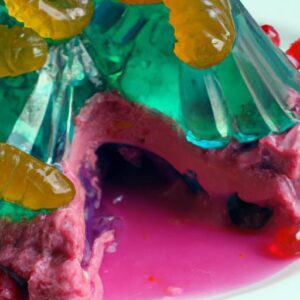

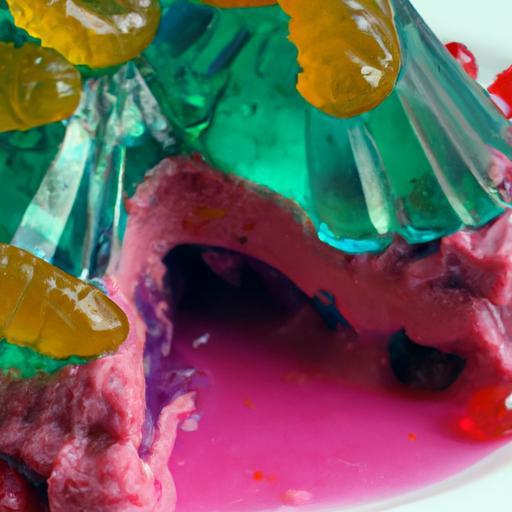
Ther’s something undeniably enchanting about the shimmering jiggle of a gelatin dessert-a playful dance of flavor and texture that has captivated taste buds across generations and cultures. From vibrant,wobbly molds that shimmer like edible jewels to creamy,melt-in-your-mouth trifles,gelatin desserts transform simple ingredients into whimsical creations bursting with color and charm. In this article, we delve into the science, history, and artistry behind these “Wobbly Wonders,” uncovering how gelatin desserts turn dining tables into stages where magic truly takes shape-one delightful wobble at a time.
Wobbly Wonders: Exploring the Magic of Gelatin Desserts
Wobbly wonders instantly evoke a sense of nostalgia and delight,their shimmering surfaces and jiggle capturing the whimsical essence of desserts that are as fun to eat as they are to behold.The magic of gelatin desserts lies not just in their playful movement, but in the engaging science that crafts their unique texture and mouthfeel. Whether you’re a seasoned cook or experimenting for the first time, mastering gelatin unlocks endless creative possibilities – from bold fruit infusions to mesmerizing layered designs.
Prep and Cook Time
- Preparation: 15 minutes
- Setting time (refrigeration): 4-6 hours
- Total time: Approximately 6 hours
Yield
- 6-8 servings
Difficulty Level
- Easy to Medium
Ingredients
- 3 tablespoons unflavored gelatin powder
- 2 cups cold water, divided
- 1 cup granulated sugar
- 2 cups fruit juice (choose vivid options like pomegranate, mango, or cranberry)
- 1 teaspoon lemon juice or white vinegar
- 1 cup fresh fruit pieces (berries, kiwi slices, or cubed mango)
- Optional garnish: edible flowers, whipped cream, or mint leaves
Instructions
- Bloom the gelatin: Sprinkle the gelatin evenly over 1 cup of cold water in a heatproof bowl. Allow it to absorb the liquid undisturbed for 5-7 minutes until spongy and swollen. This step ensures smooth dissolution and a perfect wobble.
- Dissolve sugar and gelatin: In a small saucepan, combine the fruit juice, sugar, and lemon juice. Warm gently over low heat, stirring until the sugar fully dissolves. Remove from heat and add the bloomed gelatin, stirring continuously until completely dissolved and no granules remain.
- Cool slightly: Allow the mixture to cool to room temperature – warm but not setting - to preserve vibrant fruit textures and prevent curdling if dairy or delicate fruits will be included.
- Prepare your molds: Lightly oil your molds or glass dishes to ensure easy release of gelatin shapes after setting. Pour a thin base layer of gelatin and refrigerate for 30 minutes to create a firm foundation.
- Add fruit and layer: Once the base layer is set, scatter the fresh fruit evenly before gently pouring the remaining gelatin over. For creative effects, alternate colors or add edible flowers between layers, refrigerating each until firm before the next.
- Set fully: Transfer to the refrigerator for 4-6 hours, or overnight, covered with plastic wrap to prevent condensation dripping on the gelatin surface.
- Unmold carefully: To serve, briefly dip the mold in warm water (5-10 seconds) to loosen edges, then invert onto a chilled plate. Garnish with fresh mint or a dollop of softly whipped cream to enhance both taste and presentation.
Chef’s Notes: Tips for Success with Wobbly Wonders
- Gelatin strength: Using too much gelatin leads to a rubbery texture; too little results in a fragile wobble. Stick to the recommended ratio for smooth elasticity.
- Flavor balance: Acidic fruit juices like pineapple or kiwi contain enzymes that break down gelatin proteins. For these, use gelatin sheets or cooked juice to neutralize enzymes.
- Layering creativity: To create striking color contrasts, let each colored layer chill until just firm but not fully set; this helps layers adhere tightly without bleeding.
- Make-ahead friendly: Gelatin desserts improve in flavor after resting overnight-cover with plastic wrap directly on the surface to maintain moisture.
- Substitution options: agar-agar or pectin can be used for vegetarian alternatives, though their setting properties differ and should be tested separately.
Serving Suggestions to Wow Your Guests
Present your gelatin dessert as a centerpiece on a translucent glass platter that allows light to filter through its vibrant layers. For an elegant touch, garnish each serving with a delicate edible flower such as pansies or violets, and a sprig of fresh mint to contrast the gleaming surface. Pair with lightly whipped cream infused with vanilla or citrus zest to complement the fruity undertones.
For a party, consider individual gelatin parfaits layered in clear jars or elegant stemmed glasses for a playful, portable treat.Incorporate fresh berries or zest ribbons between layers for added bursts of color and flavor that entice the eye and palate alike.
Wobbly Wonders Nutritional Snapshot
| Nutrient | Per Serving (approx.) |
|---|---|
| Calories | 150 |
| Protein | 6g |
| carbohydrates | 30g |
| Fat | 0g |
Explore more creative dessert inspiration in our Creative Dessert Ideas collection. For a deep dive into gelatin’s molecular magic, visit ScienceDaily’s analysis of gelatin structure.

Q&A
Q&A: Wobbly Wonders - Exploring the Magic of Gelatin Desserts
Q1: What exactly makes a gelatin dessert so delightfully wobbly?
A1: The signature jiggle of a gelatin dessert comes from a remarkable protein called gelatin, derived from collagen found in animal connective tissues. When dissolved in hot liquid and then cooled, these proteins form a delicate, elastic network that traps water and other ingredients, creating that iconic wobble that wiggles with every spoonful!
Q2: How did gelatin desserts become such a beloved treat around the world?
A2: Gelatin desserts have a fascinating history dating back centuries, with origins traced to medieval Europe where slow-cooked animal parts were transformed into savory jellies. The sweet, colorful versions we adore today blossomed in the 19th century, thanks to advancements in gelatin extraction and refrigeration. As the “Jell-O” brand popularized gelatin in the early 1900s, it became a household staple, enchanting generations with endless flavor and shape possibilities.
Q3: What’s the science behind the “magic” of gelatin’s unique texture?
A3: Think of gelatin as a molecular magician. When heated, gelatin proteins unravel and disperse in liquid. Once cooled, they catch one another’s hands in a microscopic dance, creating a 3D mesh. This mesh traps the liquid inside,turning it from a pourable syrup into a solid yet bouncy gel. The balance between temperature, concentration, and mixing speed all influence the final texture-firmer, softer, or somewhere delightfully in between.
Q4: Can gelatin desserts be made with alternatives for vegetarians or vegans?
A4: Absolutely! While traditional gelatin is animal-based, plant-friendly substitutes such as agar-agar (from seaweed), carrageenan, and pectin can mimic that magical wobble. Each option has its own quirks: agar sets faster and firmer, carrageenan offers creamy textures, and pectin works wonders with fruit’s natural pH. These vegan-friendly gels open the door to whimsical, wobbly delights for everyone.
Q5: How can I get creative with gelatin desserts in my own kitchen?
A5: The sky’s the limit! Gelatin is a blank canvas eager to absorb flavors, colors, and even shapes. Experiment by layering different hues, embedding fresh fruit, edible flowers, or even surprise fillings in your gelatin molds. Try sparkling water for a fizzy twist or infuse exotic teas for unexpected flavor twists. With a little patience, you can craft a mesmerizing, wobbling masterpiece that delights both eyes and taste buds.
Q6: why do gelatin desserts sometimes “weep” or produce liquid on the surface?
A6: That shimmering, tiny pool of liquid atop gelatin can be puzzling. It’s called “weeping” and usually happens when water separates from the gel network due to temperature changes, too much water in the recipe, or long-term storage.To minimize weeping, maintain consistent chilling, avoid over-hydrating your mixture, and consider adding a bit of sugar or acid to stabilize the gel.
Q7: What role do gelatin desserts play in modern cuisine beyond just sweets?
A7: Beyond the classic jiggly desserts, gelatin’s artistry extends into savory applications like aspics, terrines, and mousses, where it binds flavors and creates stunning visual effects. Molecular gastronomy chefs harness gelatin’s unique properties to play with texture and form, turning familiar ingredients into whimsical edible sculptures. Whether humble or haute, gelatin adds a touch of culinary enchantment.
Dive in, wiggle your spoon, and explore the magical world of gelatin desserts – where science meets whimsy in every glorious wobble!
Future Outlook
As we conclude our journey through the jiggly world of gelatin desserts, it’s clear that these wobbly wonders are more than just sweet treats. They embody a fascinating blend of science and art, a delicate dance of chemistry that transforms simple ingredients into mesmerizing, translucent delights. Whether enjoyed as a nostalgic childhood favorite or an elegant finale to a gourmet meal, gelatin desserts continue to captivate with their unique texture and playful charm. So next time you see that shimmering, trembling bowl, remember: you’re not just looking at a dessert-you’re witnessing a little slice of edible magic.