
in the vibrant tapestry of Thai cuisine, few dishes capture the essence of balance quite like Tom Kha Gai. This fragrant coconut soup, wiht its harmonious blend of creamy richness, zesty herbs, and subtle spice, invites both awe and curiosity.More than just a comforting bowl of warmth,Tom Kha Gai is a culinary story-one that weaves together tradition,culture,and a symphony of flavors unique to Thailand’s kitchens. Join us as we unlock the secrets behind this beloved thai coconut soup, exploring its origins, ingredients, and the artful techniques that make every spoonful a journey to the heart of Southeast Asia.
Tom Kha Gai is a divine expression of Thai cuisine, heralded for its harmonious marriage of creamy coconut richness and vibrant, spicy aromatics. This cherished coconut soup originates from the central plains of Thailand, where it has long been a staple in both home kitchens and royal tables. The unique balance of flavors-tangy lime, pungent galangal, and fiery chili-reflects Thailand’s culinary beliefs of symmetry and contrast that excites every taste bud.
Prep and cook Time
- preparation: 15 minutes
- Cooking: 20 minutes
- Total: 35 minutes
Yield
Serves 4 generous bowls
difficulty Level
Medium – approachable for home cooks with basic kitchen skills
Ingredients
- 4 cups chicken broth (preferably homemade or low sodium)
- 1 can (13.5 oz) coconut milk, full fat
- 2 stalks lemongrass, trimmed and smashed
- 5 slices fresh galangal (or ginger as a substitute)
- 4 kaffir lime leaves, torn to release oils
- 1 lb boneless chicken breast or thigh, thinly sliced
- 6-8 fresh Thai bird’s eye chilies, smashed (adjust to taste)
- 200g straw mushrooms or button mushrooms, halved
- 3 tbsp fish sauce (adjust for saltiness)
- 1-2 tbsp fresh lime juice (to taste)
- 1 tsp palm sugar (or light brown sugar)
- Fresh cilantro for garnish
- Optional: sliced shallots and fresh Thai basil
Step-by-Step Guide to Perfecting the Balance of Creamy and Spicy Notes
- Prepare the aromatics: In a medium pot, combine chicken broth, lemongrass, galangal, and kaffir lime leaves.Bring to a gentle boil and simmer for 10 minutes to infuse the broth with vibrant flavors.
- add coconut milk: Slowly stir in the coconut milk, reducing heat to low to prevent curdling. Maintain a gentle simmer,allowing the rich creaminess to mingle with the broth.
- Cook chicken: Add the thinly sliced chicken to the pot. Stir gently and cook until just opaque, approximately 5-7 minutes.Avoid boiling vigorously to keep the chicken tender.
- Incorporate mushrooms and chilies: Toss in mushrooms and bird’s eye chilies. Simmer for an additional 3 minutes. The chilies slowly infuse heat, which you can control by adjusting quantity.
- Season thoughtfully: Add fish sauce, palm sugar, and lime juice gradually. Taste frequently to achieve the quintessential Thai balance of salty,sweet,spicy,and sour. remember, the lime juice shoudl brighten the soup while the sugar softens the edges.
- Final touches: Remove lemongrass, galangal slices, and lime leaves to avoid overpowering bitterness. Adjust seasoning as needed.
Expert Tips for Customizing Tom Kha Gai to Suit Your Taste Preferences
- Taming the heat: For a milder soup,reduce bird’s eye chilies or remove seeds before adding.
- Vegetarian version: substitute chicken broth with vegetable stock and omit chicken, adding tofu or more mushrooms as protein.
- Herbaceous boost: Garnish with fresh cilantro and Thai basil for an herbal aroma that lifts the soup.
- Texture tweaks: Use coconut cream rather of milk for extra richness or add a splash of evaporated milk for silkiness without overpowering coconut flavor.
- Make-ahead tip: Prepare the broth base and refrigerate; add coconut milk and cook chicken fresh to keep delicate flavors and textures intact.
Serving Suggestions
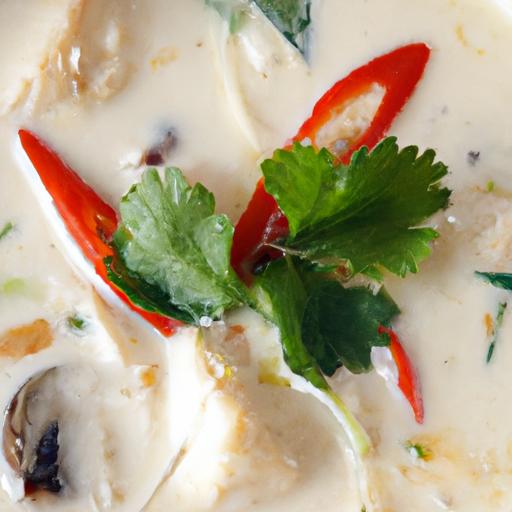
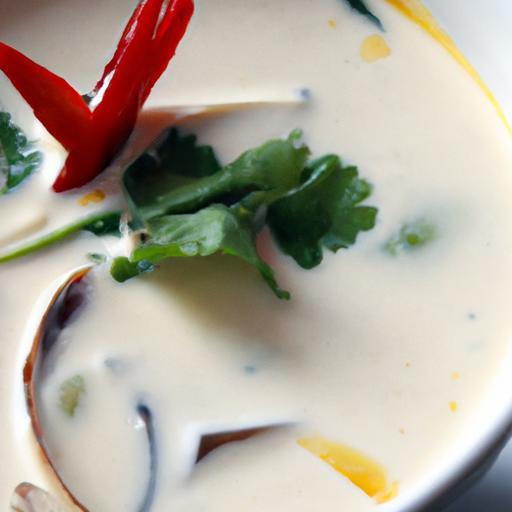
Serve Tom Kha Gai steaming hot in deep soup bowls garnished with vibrant cilantro leaves and thinly sliced red chili rings for a pop of color. Present alongside jasmine rice to soak up the luscious broth or with Thai sticky rice for a more traditional experience. A side of fresh cucumber salad offers a refreshing crunch that contrasts beautifully with the soup’s creamy heat.

| Nutrient | Per serving |
|---|---|
| Calories | 320 kcal |
| Protein | 27 g |
| Carbohydrates | 9 g |
| Fat | 18 g |
For those inspired to explore more Thai flavors, check out our in-depth guide on green Curry: A step into Thai Spices. Simultaneously occurring, discover the cultural depth of Thai food with resources from Tourism Authority of Thailand.
Q&A
Q&A: Tom Kha Gai – Unlocking the Secrets of Thai Coconut Soup
Q1: What exactly is Tom Kha Gai?
A1: Tom Kha Gai is a classic Thai soup renowned for its harmonious blend of creamy coconut milk, fragrant herbs, and tender chicken. “Tom” means boil, “Kha” refers to galangal (a ginger-like root), and “Gai” means chicken. This soup offers a delicate balance of spicy, sour, salty, and sweet flavors that dance on your palate, embodying the essence of Thai cuisine.
Q2: What ingredients give Tom Kha gai its distinctive flavor?
A2: The soul of Tom Kha Gai lies in a few key ingredients: galangal, lemongrass, kaffir lime leaves, fresh chilies, and coconut milk. Galangal provides a sharp, citrusy warmth, while lemongrass and kaffir lime leaves impart bright, refreshing aromatics. Coconut milk adds luscious creaminess that tempers the heat and tartness,creating a comforting yet vibrant flavor profile.
Q3: how does tom Kha Gai differ from other Thai soups like Tom Yum?
A3: While both are popular Thai soups with sour and spicy notes, Tom Yum is broth-based and clear, often sharper and more acidic. Tom Kha Gai,on the other hand,is richer and creamier due to coconut milk. Its flavor is milder and creamier, with a soothing depth from galangal and coconut that sets it apart.
Q4: Can you substitute ingredients if you don’t have access to traditional Thai herbs?
A4: absolutely-while authentic ingredients bring a unique authenticity, you can approximate flavors. Fresh ginger can stand in for galangal, though with a milder taste. Lemon zest or lime leaves can replace kaffir lime leaves. Lemongrass can be briefly simmered to release flavor or replaced with lemon zest for citrus notes. Fresh herbs and spices are best, but improvisations work in a pinch.
Q5: Is Tom Kha Gai typically spicy?
A5: the level of spiciness varies by recipe and personal preference. The heat generally comes from fresh Thai bird’s eye chilies, which can be adjusted or omitted entirely. The creamy coconut milk mellows the spice, creating a gentle warmth rather than an overwhelming burn-perfect for those who like flavor with a hint of heat.
Q6: What makes tom kha Gai a popular choice worldwide?
A6: Tom Kha Gai’s global appeal stems from its uniquely balanced flavors, comforting texture, and versatility.It feels both exotic and familiar-a cozy, creamy soup with a refreshing tang and aromatic herbs. Easy to prepare and customize, it invites cooks and food lovers alike to experience a taste of Thailand’s vibrant culinary tradition.
Q7: How is Tom Kha Gai traditionally served?
A7: Traditionally, Tom Kha Gai is served hot, frequently enough garnished with fresh cilantro and sliced red chilies. It’s commonly accompanied by steamed jasmine rice to soak up the flavorful broth. Sometimes, a squeeze of lime and a sprinkle of fresh herbs brighten the final presentation before enjoying.
Q8: Can Tom Kha Gai be made vegetarian or vegan-amiable?
A8: Yes! Simply swap the chicken for tofu or mushrooms and use vegetable broth instead of chicken stock. Coconut milk remains the star, ensuring the soup stays rich and creamy. This version preserves the aromatic flair and comforting warmth, making Tom Kha Gai accessible to plant-based eaters without losing its signature charm.
exploring Tom Kha Gai is like unlocking a fragrant story of Thai culture-each spoonful unfolds layers of history,flavor,and warmth. Whether enjoyed in bustling Bangkok street markets or cooked at home far away, this coconut soup continues to enchant and inspire food lovers worldwide.
Key Takeaways
As the aromatic steam rises and flavors meld in a perfect harmony of spicy, sour, and creamy, Tom Kha Gai reveals itself not just as a soup, but as an edible story of Thailand’s rich culinary heritage. Unlocking its secrets invites us into a world where each ingredient-from fragrant galangal to the subtle kick of kaffir lime leaves-plays a vital role in crafting a dish both comforting and complex.Whether you’re a seasoned foodie or a curious home cook, Tom Kha Gai offers more than nourishment; it offers a sensory journey into the heart of Thai culture. So next time you savor a bowl, remember you’re tasting generations of tradition, creativity, and the timeless magic of coconut soup.