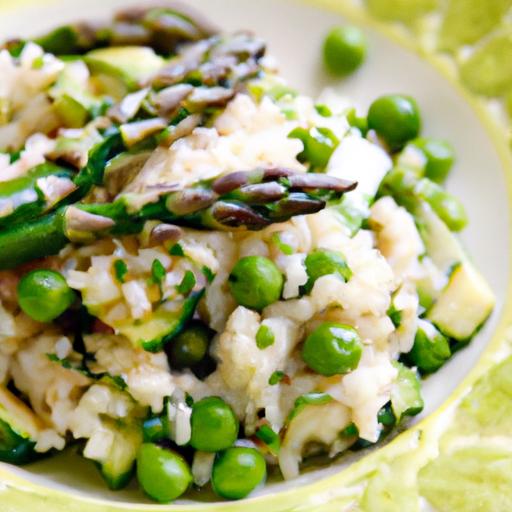

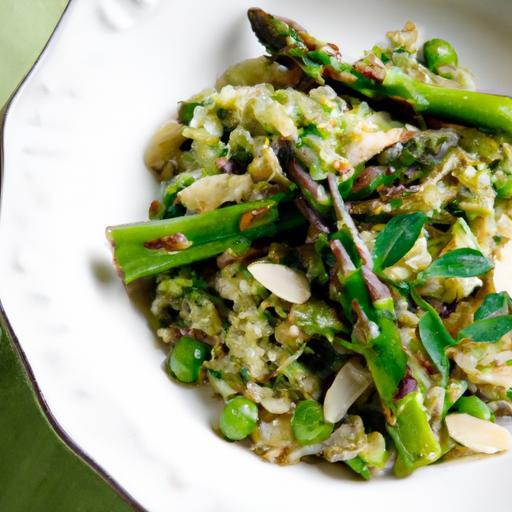
As the days grow longer and the air takes on a fresh,invigorating quality,our palates naturally crave dishes that celebrate the vibrant bounty of spring. enter the bright spring vegan risotto with asparagus and peas-a dish that marries creamy richness with the crisp, green freshness of early season vegetables. This risotto isn’t just a meal; it’s a celebration of renewal and flavor, bringing together tender arborio rice simmered to perfection with garden-fresh asparagus tips and sweet peas.
Vibrant, nourishing, and entirely plant-based, it offers a delightful twist on a classic comfort food, proving that indulgence and wholesomeness can harmonize beautifully on a plate. Whether you’re a devoted vegan or simply seeking a lighter, greener option for your table, this risotto promises to invigorate your senses and welcome spring with every silky bite.
Bright Spring Vegan Risotto with Asparagus and Peas is a celebration of garden-fresh flavors and creamy, comforting textures without relying on dairy. This dish captures the essence of early spring-the tender crunch of asparagus,the subtle sweetness of fresh peas,and a luscious rice base brought together in a vibrant,plant-based symphony. Inspired by traditional Italian risotto but thoughtfully reimagined for a vegan lifestyle, this recipe is perfect for those who crave both indulgence and nourishment in every bite.
Prep and Cook Time
- Readiness: 15 minutes
- Cook Time: 30 minutes
- Total Time: 45 minutes
Yield
Serves 4 hearty portions
Difficulty Level
Medium - ideal for cooks comfortable with stovetop techniques but approachable for adventurous beginners eager to master risotto.
Ingredients
- 1 ½ cups Arborio rice
- 1 bunch fresh asparagus, trimmed and cut into 1-inch pieces
- 1 cup fresh or frozen peas
- 1 small yellow onion, finely chopped
- 3 cloves garlic, minced
- 5 cups vegetable broth, kept warm
- ½ cup dry white wine (optional, substitute with broth if preferred)
- ⅓ cup raw cashews, soaked (for creamy sauce)
- 2 tbsp nutritional yeast
- 2 tbsp olive oil
- 1 tbsp fresh lemon juice
- Salt and freshly ground black pepper, to taste
- Fresh parsley or chives, finely chopped (for garnish)
Instructions: Step by Step Guide to Achieving Creamy, Dairy-Free Risotto Perfection
- Prepare the cashew cream: Drain the soaked cashews and blend them with ½ cup of warm water until silky smooth. Set aside.
- Warm your vegetable broth: Keep it on low heat in a saucepan to maintain a gentle simmer throughout cooking, essential for risotto absorption.
- Sauté aromatics: In a wide heavy-bottomed skillet or pan, heat the olive oil over medium heat. Add chopped onion and sauté until translucent, about 5 minutes. Stir in garlic and cook for another minute until fragrant.
- Toast the rice: Add Arborio rice to the pan, stirring constantly so each grain is coated and slightly toasted, about 2 minutes. This step locks in that signature risotto bite.
- Deglaze with wine: Pour in the white wine (if using), stirring until almost fully absorbed. If skipping wine,proceed directly to adding broth.
- Add broth gradually: Start adding warm vegetable broth, one ladleful at a time, stirring frequently. Wait until each addition is mostly absorbed before adding the next. This patient stirring releases the rice’s starch, transforming the texture into its iconic creamy consistency.
- Incorporate vegetables: When the rice is halfway tender (about 15 minutes in), gently fold in the asparagus pieces and peas. Continue adding broth and stirring to cook the veggies just until bright and tender-crisp.
- Finish with cashew cream and nutritional yeast: Stir in the cashew cream and nutritional yeast to enrich the risotto’s silkiness and add a subtle cheesy depth. Season with salt,pepper,and fresh lemon juice for brightness.
- Rest then serve: Remove from heat and let the risotto rest for 2 minutes before plating. This allows the flavors to meld beautifully.
Expert Tips for Selecting the Best Ingredients and Enhancing Freshness
- Choose crisp asparagus: Look for firm, bright green stalks with closed tips for optimal sweetness and texture.
- Fresh or frozen peas: Fresh peas deliver the best sweetness, but frozen peas are an excellent time-saving substitute and retain nutrients well when cooked briefly.
- Broth matters: Use a high-quality vegetable broth or homemade stock to build a flavorful risotto base. Avoid overly salty store-bought options.
- cashews for creaminess: Soak your cashews for at least 4 hours (or overnight) to achieve a smooth, creamy sauce without nutty graininess.
- stir with intention: Constant stirring releases starches from the Arborio rice; don’t rush this step for perfect texture.
- Use a wide pan: A large surface area helps the rice cook evenly and prevents overcrowding that can lead to uneven textures.
Chef’s Notes and variations
- Make it gluten-free: Naturally gluten-free, this recipe requires no modifications.
- Substitute greens: Swap peas for tender fava beans or sweet spring snap peas for a twist on freshness.
- Add herbs: Fresh tarragon or mint tossed in at the end adds a fragrant lift.
- For extra protein: Stir in toasted pine nuts or pumpkin seeds right before serving.
- Make-ahead tip: Cook risotto up to the point of adding cashew cream, cool, and refrigerate. Reheat gently adding cashew cream and liquid as needed to loosen.
Serving Suggestions
Plate this vibrant vegan risotto in shallow bowls to showcase its creamy texture. Garnish generously with freshly chopped parsley or chives and a few twists of cracked black pepper. A drizzle of high-quality extra virgin olive oil brightens the flavor and adds glossy appeal.Accompany with a crisp spring salad of mixed greens, radishes, and a lemon vinaigrette to complement the fresh pea and asparagus notes. For a complete Italian-inspired meal, pair it with a crusty artisan bread or a chilled glass of light white wine.
| Nutrient | Per Serving |
|---|---|
| Calories | 380 kcal |
| Protein | 12 g |
| Carbohydrates | 58 g |
| Fat | 7 g |
| Fiber | 6 g |
Learn more about the nutritional benefits of asparagus and why it’s a springtime superstar in plant-based cooking.
For additional plant-based dinner inspiration, check out our collection of vibrant vegan pasta recipes that celebrate the season’s best produce.

Q&A
Q&A: Bright spring Vegan Risotto with asparagus and Peas
Q1: What makes this risotto perfect for springtime?
A1: This risotto captures the essence of spring with its vibrant green asparagus and sweet peas. These seasonal veggies bring a fresh, crisp flavor that brightens every bite, embodying the renewal and lightness of the season.
Q2: How can risotto be vegan without compromising creaminess?
A2: Traditional risotto relies on butter and cheese for lushness, but this vegan version tricks the palate with coconut milk or cashew cream, along with a generous splash of white wine and well-stirred arborio rice. The starch released from the rice itself creates that signature silky texture-no dairy needed!
Q3: What’s the secret to perfectly cooked asparagus and peas in this dish?
A3: Timing is everything. The asparagus is sliced into bite-sized pieces and added during the last few minutes of cooking to keep its snap. Peas, being tender and quick, are stirred in just before serving, ensuring they stay sweet and vibrant rather than mushy.Q4: Can I use frozen peas and asparagus, or should I go fresh?
A4: Fresh is ideal for the purest flavor and crunch, but good-quality frozen peas work well too, especially if out of season.Frozen asparagus can be a bit tricky as it may become soggy,so it’s best to steam it separately and fold it in gently at the end.
Q5: What herbs and seasonings elevate this risotto?
A5: Bright, fresh herbs like lemon thyme, chives, or parsley add an aromatic lift that complements the green veggies. A hint of lemon zest or a squeeze of fresh lemon juice at the end injects that final burst of springtime sunshine.
Q6: How do I ensure the risotto cooks evenly and doesn’t stick?
A6: Patience and constant stirring are your friends. Slowly ladle warm vegetable broth into the arborio rice, stirring frequently. This gradual process helps the rice release its starch, creating a creamy texture while preventing sticking or burning.
Q7: Is this risotto suitable for meal prepping or freezing?
A7: While risotto tastes best fresh,you can store leftovers in the fridge for up to two days. To reheat, add a splash of plant-based milk or broth to revive its creaminess. Freezing isn’t recommended as it alters the texture of the rice and vegetables.
Q8: What wine pairs best with this bright vegan risotto?
A8: A crisp, unoaked white wine like Sauvignon Blanc or Pinot Grigio complements the fresh asparagus and peas beautifully, balancing the richness of the risotto without overpowering the delicate flavors.
Q9: Can I customize this risotto with other spring veggies?
A9: Absolutely! Spring is a bounty of gentle flavors-try adding fiddlehead ferns, ramps, or fresh baby spinach. Just be mindful of cooking times so each vegetable retains its unique texture and taste.
Q10: How long does this vegan risotto take to prepare?
A10: From start to finish, expect about 35-40 minutes. Though it requires your attention, the process is meditative and rewarding, culminating in a dish that’s as nourishing as it is beautiful-perfect for welcoming spring’s fresh flavors into your kitchen.
Wrapping Up
As the final spoonful of this Bright Spring Vegan Risotto with Asparagus and Peas melts on your tongue, you’re left with more than just nourishment-you’re savoring a celebration of the season’s freshest gifts. This dish proves that plant-based cooking can be both vibrant and comforting, transforming humble ingredients into a feast for the senses. Whether you’re a seasoned vegan or simply seeking a lighter, greener meal, this risotto invites you to embrace spring’s bounty in every creamy, verdant bite. So next time you crave something bright and comforting, remember that the perfect harmony of asparagus, peas, and tender rice is just a stir away-ready to brighten your table and your day.