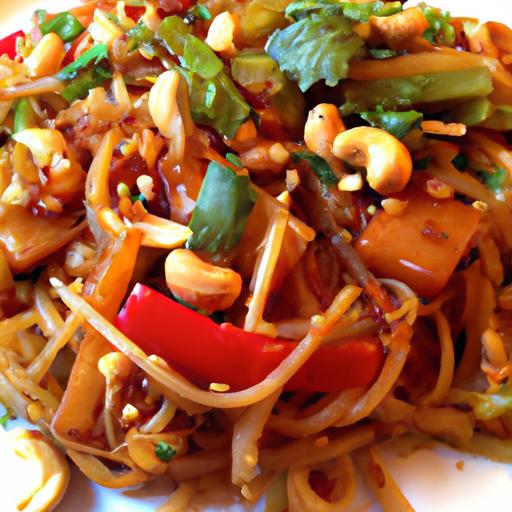

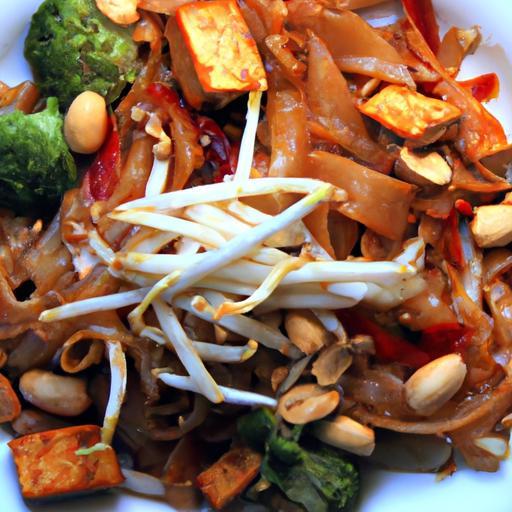
Stepping beyond the boundaries of traditional Thai cuisine,Vibrant Vegan Pad Thai reimagines a beloved classic with a colorful,plant-powered twist. this dish bursts with the rich, tangy, and savory flavors that have made Pad Thai a global favorite, while embracing wholesome vegan ingredients that nourish both body and soul. From the zesty tamarind sauce to the crisp vegetables and tender rice noodles, every bite tells a story of vibrant culture and mindful eating. Join us as we explore how to craft this flavorful plant-based masterpiece, proving that authentic taste and compassionate choices can beautifully intertwine in your kitchen.
Vibrant Vegan Pad Thai bursts with a rainbow of fresh ingredients and bold layers of authentic Thai flavor, transforming a beloved street food classic into a wholesome, plant-powered feast. Originating from Thailand’s bustling markets, this dish captures the balance of sweet, sour, salty, and umami – all without compromising on vibrant colors or depth. Embracing rice noodles as the canvas, this recipe elevates your kitchen with a delightful medley of textures and tastes, making every bite an unforgettable experience.
Prep and Cook Time
Readiness: 15 minutes
Cooking: 20 minutes
Total: 35 minutes
Yield
Serves 4 hearty portions
Difficulty Level
Medium – approachable for home cooks ready to master vibrant vegan flavors
ingredients That Bring vibrant Colors and Authentic Flavors to life
- 8 oz dry rice noodles (flat, about ¼ inch wide)
- 3 tbsp tamarind paste, dissolved in 3 tbsp warm water
- 3 tbsp coconut aminos or soy sauce for depth and umami
- 2 tbsp pure maple syrup or other vegan sweetener
- 1 tbsp lime juice, fresh and shining
- 1 tbsp sesame oil, toasted
- 3 cloves garlic, minced
- 1 small red chili, thinly sliced (optional, for heat)
- 1 cup shredded carrots, for crunch and color
- 1 cup bean sprouts, fresh and crisp
- 4 scallions, sliced diagonally
- ½ cup crushed roasted peanuts, for texture and nuttiness
- ½ cup fresh cilantro leaves, for herbal brightness
- ¼ cup fresh basil leaves, preferably Thai basil
- 1 block (14 oz) firm tofu, pressed and cubed
- 2 tbsp vegetable oil, for sautéing
mastering the Art of Noodles and Perfecting the Pad Thai Sauce
- Rice noodles are delicate but versatile - soak them in lukewarm water for about 10 minutes until pliable but not mushy; this sets the perfect tender bite.
- The sauce blends tamarind paste, coconut aminos, and maple syrup, striking a harmonious balance of tang, sweetness, and savory depth. Lime juice added at the end lifts and brightens the entire dish.
Plant-Based Protein Options to Elevate your Vegan Pad Thai
- Firm tofu is a classic choice, offering chewiness and the ability to soak up flavors beautifully when pressed and pan-fried until golden.
- Swap tofu for tempeh or seitan for a different texture profile, or add chickpeas for a hearty, protein-rich twist.
Creative Garnishes and Serving Suggestions for a Show-Stopping Meal
- Finish with a generous sprinkle of crushed roasted peanuts to add a buttery crunch that contrasts the tender noodles.
- Fresh cilantro and thai basil leaves bring herbal perfume and lift, rounding every forkful with zest and refreshment.
- Add thin slices of fresh red chili or a drizzle of chili oil for guests who love bold spice.
- Serve wedge-cut limes on the side to invite a squeeze of bright acidity right at the table.
Instructions
- Prepare the rice noodles: Place noodles in a large bowl and cover with warm water. Let soak for 10 minutes or until flexible but still firm. Drain and set aside.
- Make the sauce: In a small bowl, whisk together tamarind paste, coconut aminos, maple syrup, and lime juice. Adjust balance to taste-aim for tangy, slightly sweet, with a touch of saltiness.
- Cook tofu: Press tofu to remove excess moisture,then cut into ¾-inch cubes. Heat 1 tbsp vegetable oil in a nonstick skillet over medium-high heat. Add tofu cubes and sauté until golden on all sides, about 6-8 minutes. Remove and set aside.
- Sauté aromatics and veggies: In the same skillet, heat sesame oil and remaining vegetable oil. Add garlic and chili, cooking until fragrant, about 30 seconds. toss in shredded carrots and scallions, sautéing for 2-3 minutes until slightly softened.
- Add noodles and sauce: Lower heat to medium. Add noodles and pour sauce over them. Toss gently and continuously to coat noodles evenly without breaking, cooking for 3-4 minutes until heated through and saucy.
- Incorporate tofu and sprouts: Gently fold in cooked tofu and bean sprouts, warming everything together for another minute to meld flavors.
- Remove from heat and garnish: Transfer to serving plates. Top with crushed peanuts, fresh cilantro, Thai basil, and an optional squeeze of lime. Serve immediatly for maximum vibrancy and texture contrast.
Tips for Success
- Press tofu thoroughly to achieve golden, crispy edges that contrast the silky noodles.
- Soak noodles carefully: Avoid over-soaking to keep them from becoming mushy during the stir-fry.
- Taste your sauce: Tamarind can vary in sourness; adjust maple syrup and lime juice accordingly to maintain a balanced profile.
- Prepare garnishes ahead: Toast peanuts and chop herbs in advance to streamline plating and keep everything fresh.
- Boost nutrition by adding finely shredded kale or spinach in place of or alongside the bean sprouts.
- Make ahead tip: Prepare sauce and press tofu a day before; assemble and cook noodles fresh to avoid sogginess.
Serving suggestions
Plate this vibrant vegan pad thai on a wide shallow bowl to showcase its lively colors and varied textures.Serve alongside crisp Asian cucumber salad or a simple green papaya salad for a refreshing counterpoint. Offer lime wedges and extra chili flakes at the table for guests to personalize their spice and tartness levels.

| Nutrient | Per Serving |
|---|---|
| Calories | 380 kcal |
| Protein | 18 g |
| Carbohydrates | 54 g |
| Fat | 10 g |
For further inspiration and a deep dive into plant-based cooking techniques, check out Vegetarian Times. Also, explore our complete guide on best vegan sauces to expand your flavor repertoire.
Q&A
Q&A: Vibrant Vegan Pad thai – A flavorful Plant-Based Classic
Q: What makes Pad Thai such a beloved dish worldwide?
A: Pad Thai’s charm lies in its harmonious balance of flavors-sweet, sour, salty, and umami-all wrapped up in a comforting tangle of stir-fried rice noodles. It’s a culinary symphony that’s both satisfying and endlessly adaptable, inviting cooks to customize each bowl with their preferred ingredients.
Q: How does a vegan version of Pad Thai compare to the traditional recipe?
A: Traditional Pad Thai often features fish sauce, eggs, and sometimes shrimp, which are omitted or swapped in the vegan version. Instead,the vegan rendition leans into plant-based umami boosters like tamarind paste,soy sauce,and sometimes mushroom-based seasonings.Tofu, tempeh, or hearty vegetables step in for protein, proving that flavor and satisfaction need not rely on animal products.
Q: What are the essential ingredients to create an authentic-tasting vegan Pad Thai?
A: Start with rice noodles as the canvas. The sauce blends tamarind paste, lime juice, brown sugar, soy sauce, and a pinch of chili flakes for that signature sweet-sour-spicy punch. Crisp tofu cubes or tempeh add texture, while fresh bean sprouts, crushed peanuts, green onions, and cilantro build vibrant layers of freshness and crunch.
Q: Can the dish be made gluten-free?
A: Absolutely! Traditional Pad Thai is naturally gluten-free if you swap regular soy sauce for tamari or a gluten-free soy choice. This way, you avoid gluten without compromising the flavor mosaic that defines pad Thai.
Q: What cooking tips will help home cooks nail this vibrant vegan Pad Thai?
A: Keep your heat high to get that irresistible wok-charred flavor.Stir-fry quickly and avoid overcrowding the pan to maintain that perfect texture balance-soft noodles with crisp vegetables and tofu. Also, toast your peanuts beforehand for an extra depth of flavor.
Q: How can one personalize their vegan Pad Thai?
A: The beauty of Pad Thai lies in its versatility. Add a handful of roasted cashews, a sprinkle of chili powder for extra heat, or swap in spiralized zucchini noodles for a low-carb twist. Fresh herbs like Thai basil or mint can take the dish to new aromatic heights.
Q: Why is making vegan Pad Thai a great way to explore plant-based cooking?
A: Vegan pad Thai is a flavorful gateway into plant-based cuisine as it combines familiar,comforting textures and tastes with fresh,wholesome ingredients. It demonstrates that vegan cooking can be bold, exciting, and deeply satisfying-transforming humble pantry staples into a dazzling and nourishing meal.
Q: Where does Pad Thai fit in the broader world of vegan cuisine?
A: Pad Thai exemplifies how traditional dishes can evolve to embrace vegan principles without losing their soul. It highlights the global potential of plant-based cooking to honor cultural roots while championing sustainability, ethical eating, and vibrant, healthful flavors.
In Summary
As vibrant as its colors and as rich as its heritage, this vegan Pad Thai proves that plant-based cooking can be both deeply satisfying and delightfully colorful. By blending fresh ingredients with bold flavors, it transforms a beloved classic into a nourishing feast that celebrates nature’s bounty without compromise. Whether you’re a seasoned vegan or simply curious to explore meat-free meals, this vibrant Pad Thai invites you to savor the art of flavor-packed, compassionate cooking-reminding us all that delicious tradition can thrive beautifully on a plant-powered plate.